Ukraine
Russia and Ukraine Declare Separate, Competing Ceasefires Around Victory Day
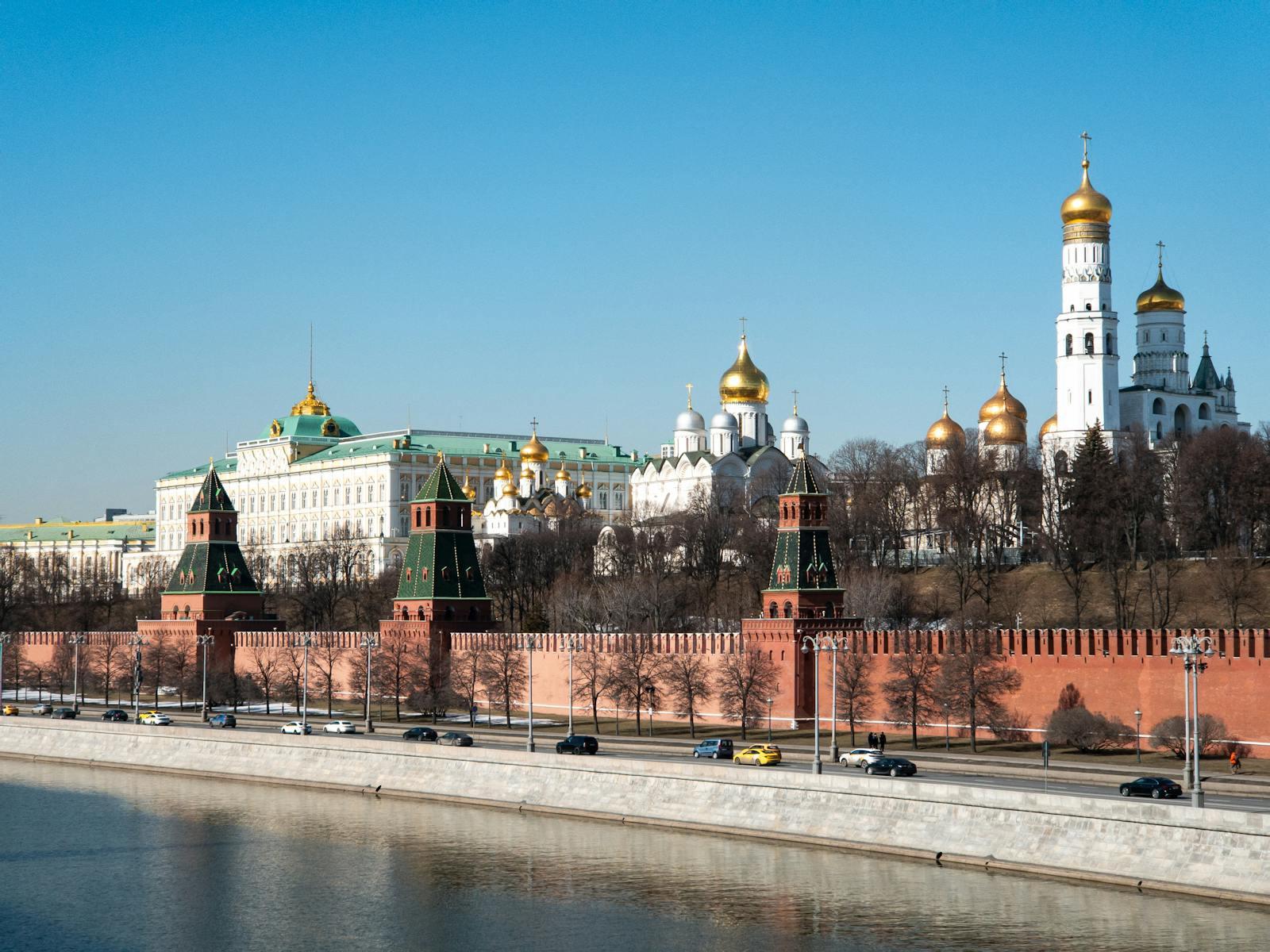
Two ceasefires, neither agreed by the other side. Russia's Ministry of Defence, posting via the state messaging app MAX on 4 May, declared a 48-hour ceasefire from 8-9 May 2026 covering its annual Victory Day parade in Moscow. Kyiv refused. President Volodymyr Zelenskyy announced Ukraine's own 5-6 May ceasefire instead, said Russia had made "no official appeal to Ukraine regarding the modality of a cessation of hostilities," and noted that "human life is incomparably more valuable than the 'celebration' of any anniversary."
The Victory Day theatre
Russia's 9 May Victory Day commemorates the Soviet defeat of Nazi Germany in 1945. Under President Vladimir Putin, the parade has become an annual showcase of Russian military hardware and a centrepiece of national identity. This year, for the first time in decades, Russia announced it would not display military equipment at the parade. Zelenskyy's reading of that decision: fear of Ukrainian deep-strike drones. "They cannot afford military equipment... This is telling. It shows they are not strong now."
Russia's ministry warned that any Ukrainian attempt to disrupt the parade would trigger a "retaliatory, massive missile strike on the centre of Kyiv."
Why two unilateral truces are not a truce
The competing announcements are not a step toward negotiation. They are a parallel exercise in narrative control. Russia wants to look conciliatory ahead of its most politically loaded date of the year. Ukraine refuses to grant that frame and has chosen earlier, shorter dates of its own to reclaim agency. The dates do not even overlap: Ukraine's truce ends 36 hours before Russia's begins.
Where the war actually stands
The Ukrainian general staff recorded 132 combat engagements on 4 May, with the Pokrovsk sector again the most contested. Russia is reported to have lost roughly 1,120 personnel killed or wounded in the previous 24 hours, taking total Russian losses since February 2022 to approximately 1,335,150 according to Kyiv's count.
More structurally, Russia ceded about 120 square kilometres of net territory between March and April 2026 — the first net loss since Ukraine's 2023 counter-offensive. Putin's approval rating has fallen to 65.6% from 77.8% at the start of the year, and Russian GDP contracted in the first two months of 2026.
What to watch around 8-9 May
Three things. Whether either ceasefire holds in any meaningful sense. Whether Ukrainian deep-strike drones reach the centre of Moscow on or near 9 May. And whether Russia executes on its threat against Kyiv if they do. The political theatre is loud; the operational reality is that the war is grinding on and Moscow's leverage is no longer rising.
Frequently asked
- Are the ceasefires the same one?
- No. They cover different days, were announced unilaterally, and are not the result of any negotiation.
- Why no parade equipment?
- Russia did not say. Zelenskyy attributed it to fear of Ukrainian deep-strike drones.
- Has Russia threatened Kyiv?
- Yes. The defence ministry said any Ukrainian disruption of Victory Day would trigger a 'massive missile strike on the centre of Kyiv'.
Around Europe
A look at recent reporting on europe from the Étude newsroom.
Related by topic
Other Étude stories tagged with the same topics as this article.
More in Europe



Trending at Étude
Luxembourg taxes Luxembourg's income-tax classes (1, 1a, 2) explained: who falls into each
Homeownership explained How to buy a property in Luxembourg: the process, costs and notary
Connectivity Mobile and internet providers in Luxembourg compared
Demography Japan Records a 10th Consecutive Record-Low Birth Year as South Korea's Fertility Rate Rises