United Kingdom
Starmer Quits, and Britain Lines Up Its Seventh Prime Minister in a Decade
Keir Starmer's resignation clears a path to Downing Street for Andy Burnham — and pushes Brussels to shelve a summit meant to repair relations with London.
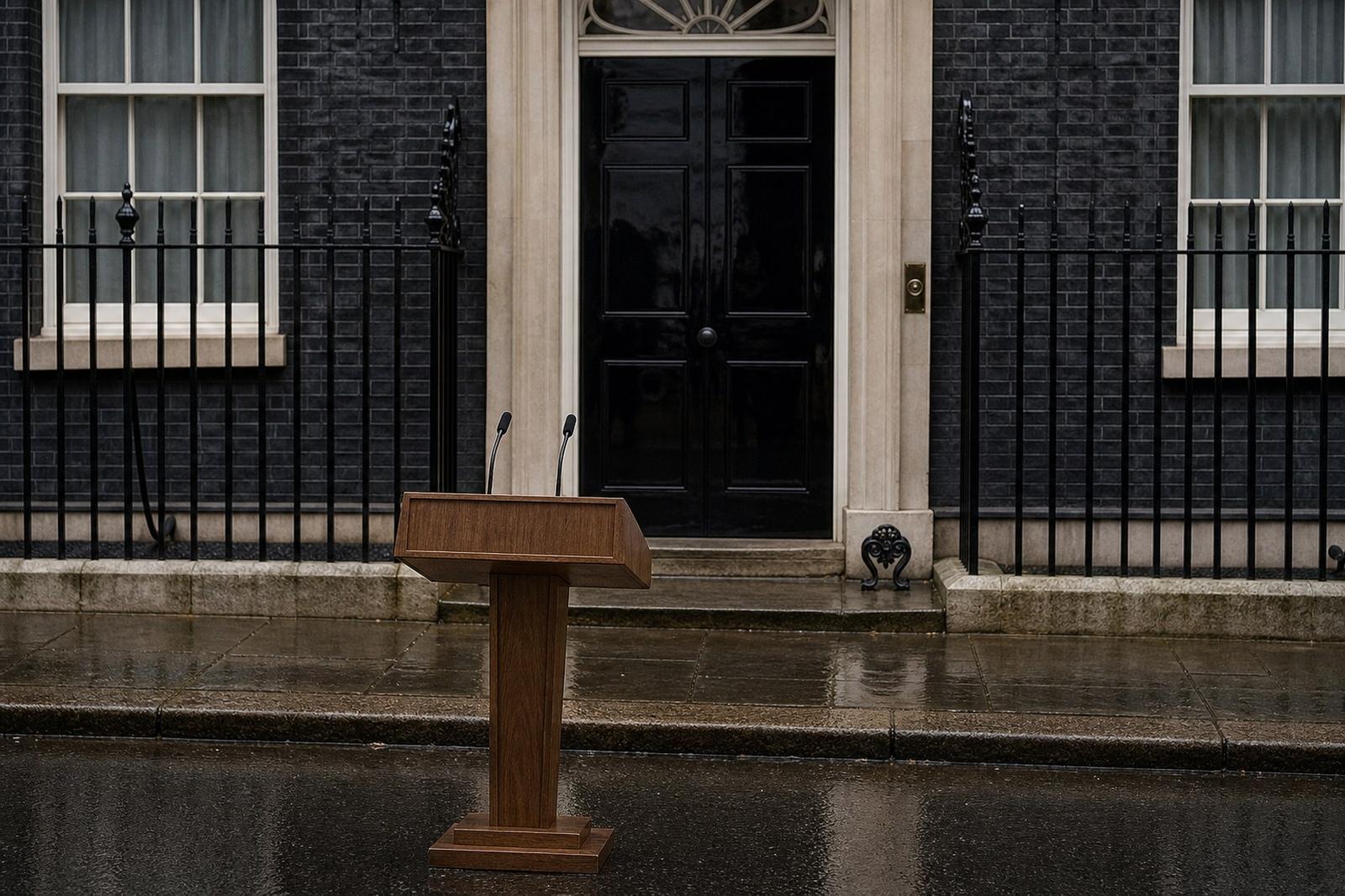
Keir Starmer announced on Monday that he will resign as leader of the Labour Party, and with it as prime minister, ending a premiership that began less than two years ago with one of the largest election victories in modern British history and came undone almost as quickly.
Speaking outside 10 Downing Street, Mr Starmer cast the decision as his own and wrapped it around the country and his family. “Walking up this street two years ago was the proudest moment of my life,” he began, before confirming that he would stand aside.
“Every decision I’ve taken has been about putting the country I love first. That is why I will resign as leader of the Labour Party.”
He said he would spend more time being “the best dad I can to my beautiful children.” Mr Starmer will stay in office until the party chooses a successor, leaving the timing of the handover in the hands of Labour’s internal calendar rather than the voters.
A resignation on his own terms
The proximate cause was an internal revolt that gathered force after a punishing round of local elections in May. The decisive blow came last week, when Andy Burnham, the former mayor of Greater Manchester, won a by-election in Makerfield and was sworn in as a member of Parliament — a seat engineered to let him challenge for a job that, until then, only a sitting MP could hold.
For a leader elected in 2024 with a commanding Commons majority, the speed of the collapse is striking. The mandate was vast; the goodwill behind it proved thin. Mr Starmer leaves having governed for a shorter stretch than the scale of his win once promised.
Seven prime ministers, ten years
Whoever follows will be the seventh person to hold the office in a decade, a churn that runs from David Cameron through Theresa May, Boris Johnson, Liz Truss and Rishi Sunak to Mr Starmer himself. For a country that once prided itself on continuity, the revolving door at Number 10 has become a defining feature of its politics.
Mr Burnham is the clear front-runner. Labour nominations are due to open on 9 July and close as Parliament rises for its summer recess around 16 July; if a single candidate emerges unopposed, the keys could change hands within weeks, otherwise a new leader would be installed by early September. Mr Burnham, who left the Commons in 2017 to run Greater Manchester, returns to Westminster as the bookmakers’ favourite and the man most colleagues expect to be measuring the curtains.
- Starmer resigns as Labour leader and prime minister, staying on until a successor is chosen.
- Andy Burnham, back in Parliament via the Makerfield by-election, has confirmed his bid.
- Labour leadership nominations open 9 July; a new leader is expected by early September at the latest.
Brussels presses pause
The fallout reached the Continent within hours. A second UK–EU summit, scheduled for 22 July in Brussels, was to advance the slow “reset” Mr Starmer had pursued since taking office: a security and defence pact, an agreement on food and plant standards, mutual recognition of professional qualifications and a youth-mobility scheme. With the prime minister on his way out, that agenda has lost its signatory.
European Council President António Costa confirmed the meeting would not go ahead as planned. “We need to postpone it for sure, but we are reassessing the opportunity of this new summit,” he said, adding that he hoped Mr Starmer’s successor would continue the “good path” of rebuilding ties between London and the bloc.
For the 27 member states, the question is now less about dates than direction. Mr Burnham is a less familiar figure in EU capitals than the lawyerly Mr Starmer, and Brussels is bracing for a pause while Westminster sorts out who, exactly, will sit across the table. A reset years in the making has been put on hold by a leadership contest no European official can vote in.
Frequently asked
- Why is Keir Starmer resigning?
- After a poor showing in May's local elections and mounting internal pressure, a leadership challenge from Andy Burnham became all but certain, prompting Starmer to stand aside.
- Who is likely to replace him?
- Andy Burnham, the former mayor of Greater Manchester who just won a by-election in Makerfield, is the front-runner and has confirmed he will run.
- What happens to the UK–EU summit?
- The summit planned for 22 July in Brussels has been postponed; European Council President António Costa said the EU is reassessing whether and when to hold it.
Sources
Around Politics
A look at recent reporting on politics from the Étude newsroom.
Related by topic
Other Étude stories tagged with the same topics as this article.
More in Politics


Trending at Étude
Financial regulation Luxembourg regulator will let Israeli bond prospectus expire on 31 August
Startup Guide How to Start and Fund a Startup in Luxembourg: A 2026 Founder's Guide
Languages Luxembourg's three official languages — Luxembourgish, French and German — and where each is used
Public finances Luxembourg inherits about €400 million from an heirless estate — enough to pay for the tripartite package