UK politics
Reform UK becomes largest party in English local government as Labour loses seats
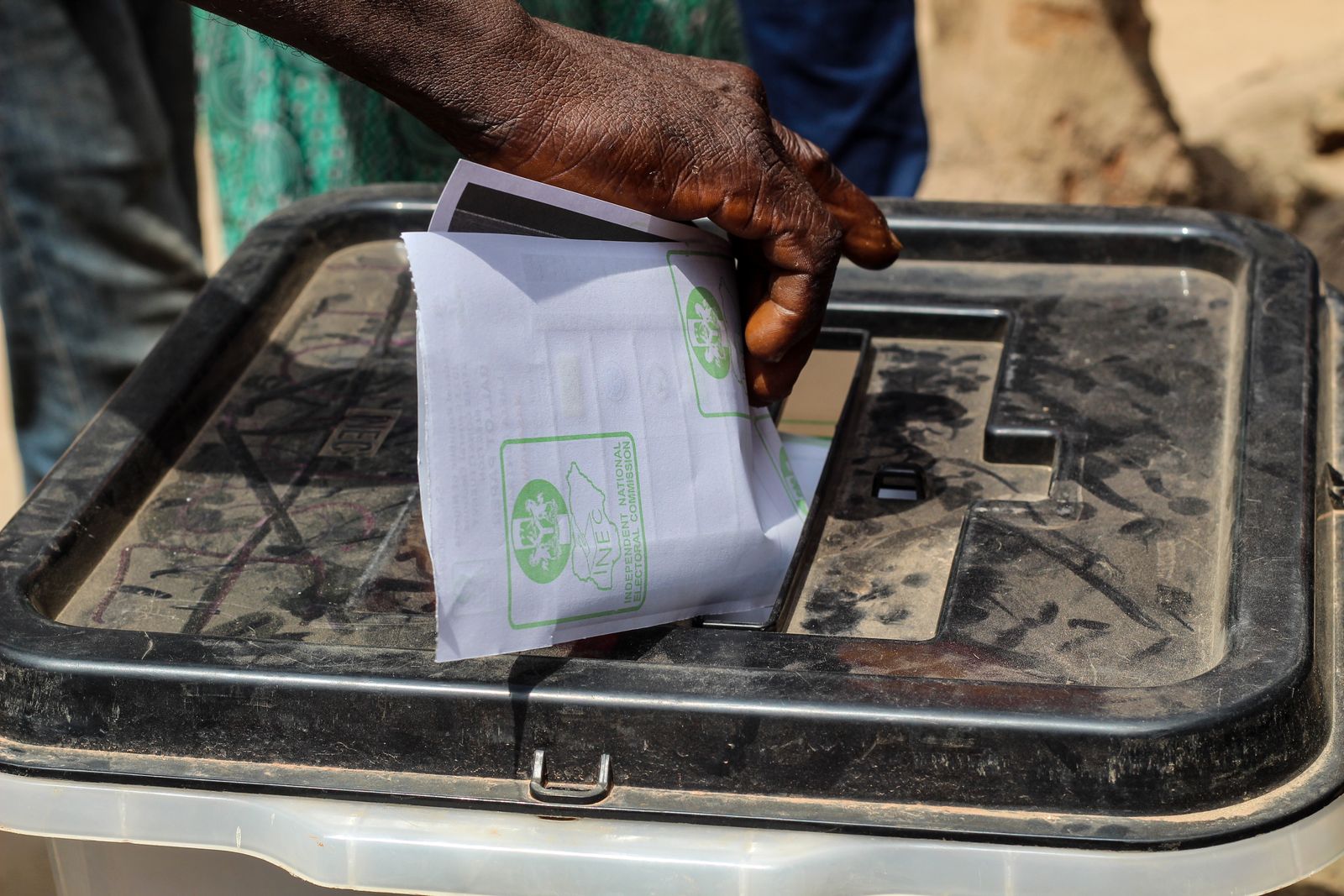
Reform UK won at least 421 council seats and seven mayoralties in the English local elections counted overnight on 8–9 May 2026, overtaking Labour as the largest party in town halls. Prime Minister Keir Starmer said he will not resign and will hold a cabinet review next week, but the result puts his 2024 majority on a clearly defensive footing.
Key facts
- Seats gained: Reform UK +421; Liberal Democrats +96; Greens +52.
- Seats lost: Labour −318; Conservatives −174.
- Mayoralties: Reform UK won Doncaster, Hull, Lincolnshire, North Tyneside, Greater Lincolnshire, the West of England and Cambridgeshire-Peterborough.
- Wales Senedd 2026: Plaid Cymru 43 seats, Reform UK 34, Welsh Labour 9.
- Local turnout averaged 36.4 percent — up from 32.1 percent in 2025.
Al Jazeera reported that Reform's gains were geographically broad, with strongholds in the Midlands and the north-east of England matched by surprise wins in southern shires. The Conservative Party — which last led English local government in 2022 — finished fourth in seat share for the first time since the introduction of universal suffrage.
How Labour lost the bellwethers
Labour shed control of Doncaster, where Ros Jones had governed since 2013, and lost the West of England mayoralty to the Reform candidate Arron Banks. Internal polling shared with BBC News showed cost-of-living and small-boats arrivals as the top two voter concerns; Labour's defence reset and the chancellor's spring tax package failed to register on either front.
The party's deputy leader Angela Rayner urged "deep reflection" but stopped short of demanding Starmer's exit. The chair of the Parliamentary Labour Party, Cat Smith, said a leadership challenge was "not on the table this week" — a phrasing several backbenchers read as conditional rather than dismissive.
Reform's coalition takes shape
Nigel Farage struck a triumphant tone from Clacton on the morning of 9 May, telling supporters his party was "now Britain's main opposition in town halls before it is in Westminster". Reform's policy slate — a 5 percent point cut to the basic rate of income tax, withdrawal from the European Convention on Human Rights and a freeze on legal migration — gives it a recognisable manifesto for a 2028 or 2029 general election.
The Liberal Democrats, who took control of Cambridgeshire and added 96 seats, framed themselves as the new heartland-Tory home. Leader Daisy Cooper said the result showed "that voters who have walked away from the Conservatives are not all walking to Reform".
Wales and Scotland
The Senedd election delivered the most consequential change in Cardiff Bay since devolution. Plaid Cymru leader Rhun ap Iorwerth is expected to be First Minister of a minority government, with Welsh Labour reduced to nine seats — its worst result since 1922. ITV News Wales said the new Senedd of 96 members will sit for the first time on 27 May.
Scotland's local elections are not held this cycle, but a poll by Survation released on 9 May puts Reform UK on 19 percent for the 2027 Scottish Parliament election, ahead of the Scottish Conservatives.
What changes for Westminster
The arithmetic of the House of Commons does not change overnight: Labour's 411-seat majority remains intact. But three signals matter. First, by-elections held alongside the locals in Reigate and Pontypool both swung to Reform. Second, Labour MPs in marginal seats are pushing for a tougher line on small-boats arrivals. Third, the Treasury's autumn budget — due 26 November 2026 — will be drafted under explicit pressure to defend the 2 pence basic-rate cut Reform has promised.
The Luxembourg angle
For the Grand Duchy, two effects matter. UK financial-services firms continue to use Luxembourg as their EU passporting base for investment funds, and any Reform-led future government rolling back EU equivalence would intensify that flow. Foreign Minister Xavier Bettel said on 9 May that bilateral relations with the UK "remain steady regardless of internal political weather". Around 1,300 British nationals are registered as residents in Luxembourg, a number that has fallen 7.4 percent since Brexit took effect.
Bottom line
Reform UK gained 421 council seats and seven mayoralties on 8 May 2026, overtaking Labour at local level. The result does not unseat Keir Starmer this week, but it forces a recalibration of the Labour government's tax, migration and EU agenda before the autumn budget on 26 November.
Frequently asked
- How many seats did Reform UK win in the May 2026 local elections?
- Reform UK gained at least 421 council seats and seven mayoralties in the 8 May 2026 English local elections, becoming the largest party in English local government.
- Did Keir Starmer resign after the local-election losses?
- No. Prime Minister Keir Starmer said on 9 May 2026 that he would remain in office, though he announced a cabinet review for the following week and signalled changes on tax and migration.
- Who won the Welsh Senedd 2026 election?
- Plaid Cymru, led by Rhun ap Iorwerth, became the largest party with 43 seats, ahead of Reform UK on 34 and Welsh Labour on nine. The new 96-member Senedd is due to sit on 27 May 2026.
Around Politics
A look at recent reporting on politics from the Étude newsroom.
Related by topic
Other Étude stories tagged with the same topics as this article.
More in Politics



Trending at Étude
Financial regulation Luxembourg regulator will let Israeli bond prospectus expire on 31 August
Startup Guide How to Start and Fund a Startup in Luxembourg: A 2026 Founder's Guide
Culture Luxembourg's cuisine: the national dish and traditional classics
Languages Luxembourg's three official languages — Luxembourgish, French and German — and where each is used