Markets
Wall Street closes at records as Samsung joins the trillion-dollar club
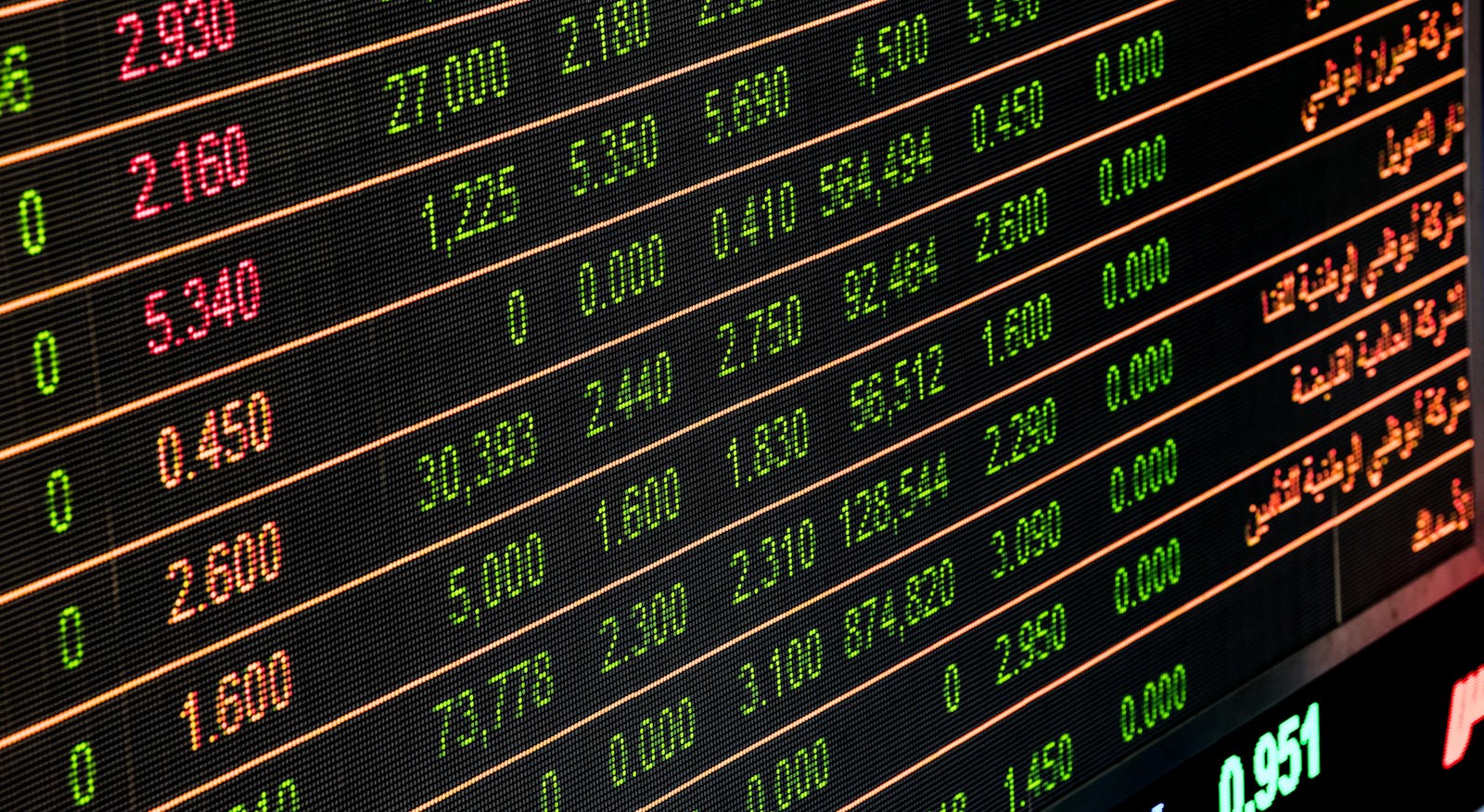
The S&P 500 closed at 7,365.12 and the Nasdaq Composite at 25,838.94 on Friday 8 May 2026, both all-time highs. The Dow Jones Industrial Average added 612 points to close at a record 49,820. In Seoul earlier in the same session, Samsung Electronics crossed USD 1 trillion in market value for the first time, becoming only the second Asian company to do so after TSMC in 2024.
Key facts
- S&P 500 closing level: 7,365.12 (+1.46 percent on the day, fifth record close in May).
- Nasdaq Composite: 25,838.94 (+2.02 percent), led by chipmakers and AI infrastructure.
- Dow Jones Industrial Average: 49,820 (+612 points), record close.
- Samsung Electronics market cap: USD 1.012 trillion at the Korea Exchange close.
- Year-to-date 2026 gains: S&P 500 +13.4 percent; Nasdaq +18.7 percent; KOSPI +21.9 percent.
The Samsung milestone reflects HBM4 high-bandwidth-memory volume shipments to NVIDIA and to a smaller degree to AMD, both of which doubled their HBM order books for the second half of 2026. Rio Times reported on 7 May that TSMC's Arizona Fab 21 third-phase ramp also fed the run, bringing AI-related capex revenue forecasts for the Asian semiconductor cluster above USD 250 billion for full-year 2026.
What is driving the rally
Three forces converged this week. First, the Federal Reserve held rates at 4.25–4.50 percent on 7 May and signalled openness to a July cut after softer April CPI data. Second, the four big US hyperscalers raised their combined 2026 capital expenditure to roughly USD 725 billion, with the bulk allocated to AI data centres, custom silicon and GPUs. Third, the Russia-Ukraine truce announced for 9–11 May removed an immediate macro tail risk and supported European cyclicals via the EuroStoxx 50, which gained 1.1 percent on 8 May.
That combination has compressed equity-risk premia. The Washington Post reported that US Q1 GDP grew at a 2.0 percent annualised pace, with business investment up 10 percent — a number that fund managers cite as the underpinning for current valuations rather than the AI hype cycle alone.
Cracks beneath the headline
The headline indices mask uneven internals. Small-cap firms in the Russell 2000 are 6.2 percent below their February 2026 peak. Outside the AI cluster, US small businesses with fewer than 10 employees have cut payrolls for 13 straight months, the longest stretch in the ADP series. UK gilts hit their highest yield since 1998 this week, and German Bund yields touched 3.05 percent — both signals of a fiscal premium investors are requiring for non-US sovereign debt.
Asian markets show the same split. The KOSPI is propelled by Samsung and SK Hynix; outside semiconductors, Korean industrial earnings disappointed on 6 May. Japan's Nikkei 225 closed at 41,902 on 8 May, more than 4 percent off its January 2026 high, with banks the laggards.
What this means for Luxembourg
Luxembourg's UCITS industry — at €5.84 trillion in assets at end-March 2026 — has a heavy weighting to US large caps. The CSSF flagged in its 2025 financial stability report that exposure to a single AI-cluster theme has risen sharply: the largest 50 fund holdings now overlap with the Nasdaq's top 50 by 38 percent, up from 22 percent in 2023. Spuerkeess wealth-management head Yves Maas told FinTech Futures that retail clients are over-indexing US tech and the bank is steering allocations toward European cyclicals and Asian semiconductor pure-plays.
The trillion-dollar Samsung milestone matters domestically too. Luxembourg's Pillar Two minimum-tax rules apply to in-scope multinationals from 2024; Samsung's two Luxembourg holding entities, registered in Strassen, posted EUR 6.4 billion in profit in 2025 according to Trade and Companies Register filings.
The risk lens
The combination of all-time highs, narrow leadership and a Fed still above 4 percent leaves the market exposed to any failure in the AI-capex thesis. A single hyperscaler trimming guidance — Meta is next due to report on 28 July — would test the assumption that 2027 earnings can grow into the multiples now being paid. The Russia-Ukraine truce holding through 11 May and the Iran-US tanker tensions in the Strait of Hormuz remaining contained are the two non-economic risks most cited by Luxembourg fund managers this week.
Bottom line
The S&P 500 and Nasdaq notched fresh records on 8 May 2026 and Samsung crossed USD 1 trillion in market value, both driven by AI-capex flows. Luxembourg's UCITS ecosystem is increasingly synchronised with the same trade — a feature in 2025, a concentration question in 2026.
Frequently asked
- How high did the S&P 500 and Nasdaq close on 8 May 2026?
- The S&P 500 closed at a record 7,365.12 and the Nasdaq Composite at 25,838.94 on 8 May 2026. Both indices set all-time highs and the Dow Jones added 612 points to a record 49,820.
- Which Asian companies have a market value above USD 1 trillion?
- TSMC crossed USD 1 trillion in 2024 and Samsung Electronics joined the club on 8 May 2026, reaching USD 1.012 trillion at the Korea Exchange close.
- How exposed is Luxembourg's fund industry to the AI rally?
- Luxembourg UCITS held €5.84 trillion in assets at end-March 2026 and the largest 50 holdings now overlap 38 percent with the Nasdaq's top 50, up from 22 percent in 2023, according to the CSSF.
Around Finance
A look at recent reporting on finance from the Étude newsroom.
Related by topic
Other Étude stories tagged with the same topics as this article.
More in Finance

Kyiv Holds the Line, and the West's Economic Weapons Start to Bite


Luxembourg regulator will let Israeli bond prospectus expire on 31 August
Trending at Étude
Critical minerals Washington Backs a Kazakh Tungsten Mine. The President's Sons Are Inside the Deal.
Cross-border rail CFL to halt all trains between Luxembourg and Thionville for five weeks this summer
Sport D’Ekipp: The Young Running Community Uniting Luxembourg
Country profile Luxembourg by the numbers: capital, size, population, currency and key facts