Extreme heat
A Red Alert Falls on Luxembourg's National Day
MeteoLux raises its warning to the highest level from Monday, as perceived temperatures near 39C collide with the Fakelzuch, the parade and a continent warming faster than any other.
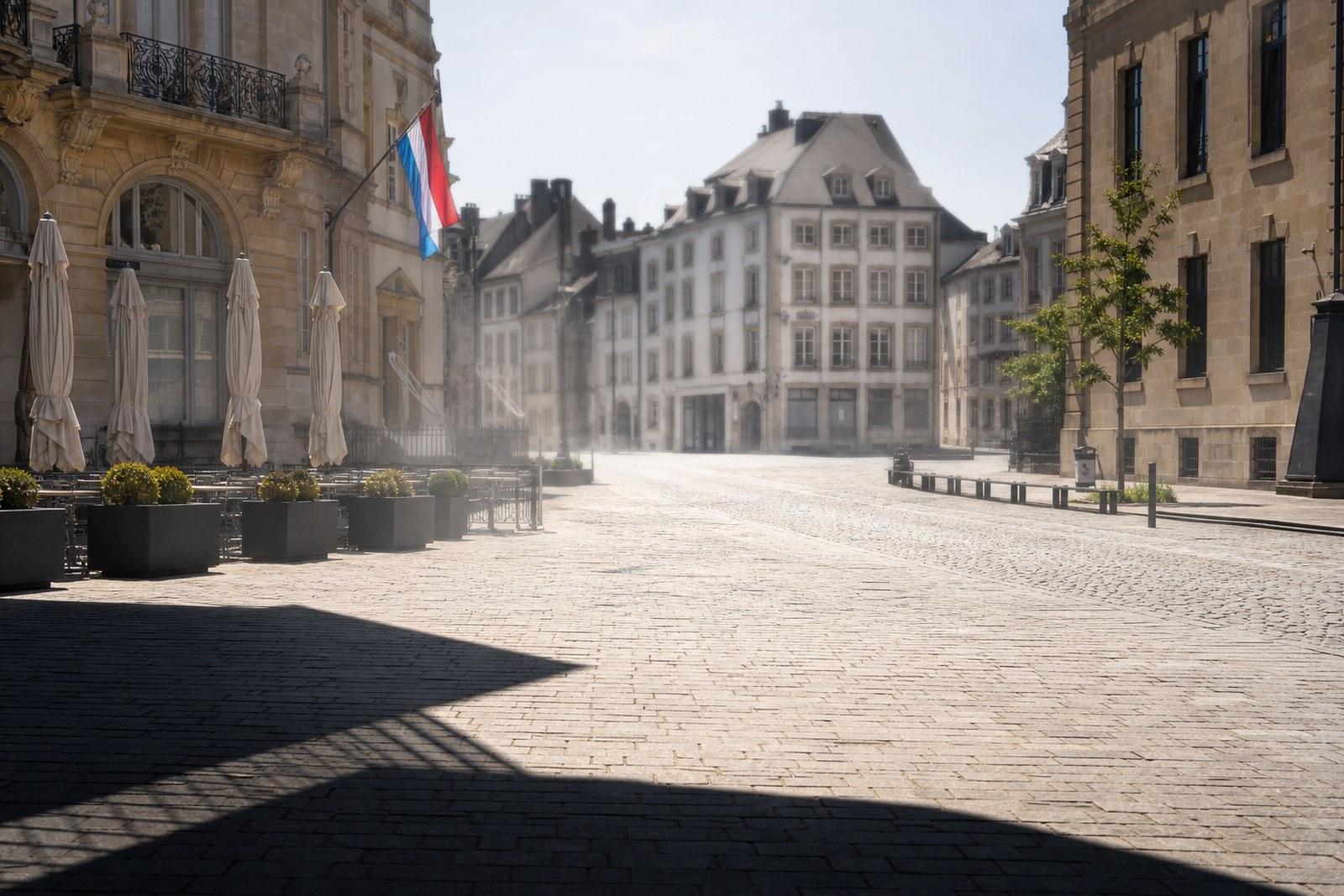
Luxembourg will mark its National Day this year under the heaviest weather warning its forecasters issue. MeteoLux has signalled that the orange heat alert in place since 19 June will be raised to red from midday on Monday, 22 June - the eve of the Grand Duke's official birthday and the start of the country's largest public celebration.
The timing is unkind. The night of 22 June is when the capital fills for the Fakelzuch, the torch-lit procession, and the fireworks over the Petrusse valley; 23 June brings the military parade and the Te Deum. This year the crowds will gather as the perceived temperature - the index MeteoLux uses to gauge the strain heat puts on the body - is forecast to climb locally toward 39C, in a spell of tropical nights when the thermometer is not expected to fall below 20C.
An alert that keeps climbing
MeteoLux grades heat on the Universal Thermal Climate Index, which folds air temperature, humidity, wind and solar radiation into a single felt figure. The orange level is triggered when that index is forecast to reach or exceed 24C for at least two consecutive days. Red, the highest level the service issues, is reserved for prolonged and dangerous heat - the conditions now expected to settle over the Grand Duchy as the working week opens and to hold across the holiday itself.
The government's heat bulletin has asked residents to treat the warning as more than a summer inconvenience, with guidance aimed in particular at older people, young children and anyone living with chronic illness.
Drink at least 1.5 litres of water a day, keep your home cool, and avoid sun exposure between 11 a.m. and 9 p.m.
A national holiday recalibrated
For a celebration built around open-air crowds, the heat reshapes the choreography. The festivities are not cancelled, but the day will be lived in the shade where possible: organisers and municipalities point people toward drinking fountains, cooler indoor venues and the slower rhythm the bulletin recommends in the hottest hours. The advice is blunt - the early afternoon of National Day, with the parade and the gun salute from the Fetschenhof, falls squarely inside the window forecasters are urging people to avoid.
None of this is unfamiliar. Luxembourg has lived through orange alerts before, and a red flag was raised during last summer's peak. What gives this episode its edge is the calendar: the single day on which the country is most reliably outdoors is now the day it is being told to stay in.
Who feels it first
Extreme heat is not shared evenly. The people most exposed are those with nowhere cool to retreat to, and that is where Stemm vun der Strooss has stepped in. The non-profit, founded in 1996 to support people on the margins, has expanded its response across its social restaurants in Hollerich, Esch-sur-Alzette and Ettelbruck.
- Free water dispensers and pitchers have been set out for visitors who otherwise struggle to find drinking water.
- Terraces have been fitted with large parasols so meals can be eaten in the shade.
- Kitchens have shifted toward cold dishes and adjusted working hours to protect both clients and the organisation's roughly 250 staff.
For people sleeping rough, the organisation notes, a heatwave is not an abstraction: with no refuge from the sun and limited access to water and showers, the same days that fill the city's terraces are the ones that put the most vulnerable at risk.
The continent's new normal
Luxembourg's red alert is a local edge of a far larger pattern. Europe is the fastest-warming continent on Earth, according to the EU's Copernicus Climate Change Service, now running about 2.4C above pre-industrial levels - against roughly 1.4C for the planet as a whole - and heating by some 0.56C a decade. The spring just past offered a preview: May brought one of the most intense early-season heatwaves on record across western Europe, with monthly records broken in France, the United Kingdom, Ireland and Portugal.
That is the backdrop against which a single hot week reads less like a freak and more like a fixture. Heat that once arrived in the depths of July is now bearing down on the longest days of June, and on the one date the Grand Duchy sets aside to be out in the streets. The flags will still fly over Luxembourg City this week. They will simply hang in hotter, heavier air than the holiday was built for.
Frequently asked
- When does the red heat alert take effect in Luxembourg?
- MeteoLux is raising the alert to red from midday on Monday 22 June, after an orange alert that had been in place since 19 June.
- How hot is it expected to get?
- The perceived temperature, MeteoLux's measure of heat stress on the body, is forecast to reach up to 39C locally, with nights staying above 20C.
- Are the National Day celebrations cancelled?
- The festivities go ahead, but authorities are urging people to seek shade, stay hydrated and avoid the sun during the hottest hours.
Sources
Around Luxembourg
A look at recent reporting on luxembourg from the Étude newsroom.
Related by topic
Other Étude stories tagged with the same topics as this article.
More in Luxembourg


Trending at Étude
Luxembourg taxes Luxembourg's income-tax classes (1, 1a, 2) explained: who falls into each
Homeownership explained How to buy a property in Luxembourg: the process, costs and notary
Connectivity Mobile and internet providers in Luxembourg compared
Personal finance How the Luxembourg state pension works: retirement age, contributions and how it's calculated