Industrial policy
Luxembourg plans a defence-tech hub in Dudelange to capture jobs from military spending
A new licensing bill and a planned campus are meant to turn rising security budgets into local work in software, satellites, telecommunications and maintenance.
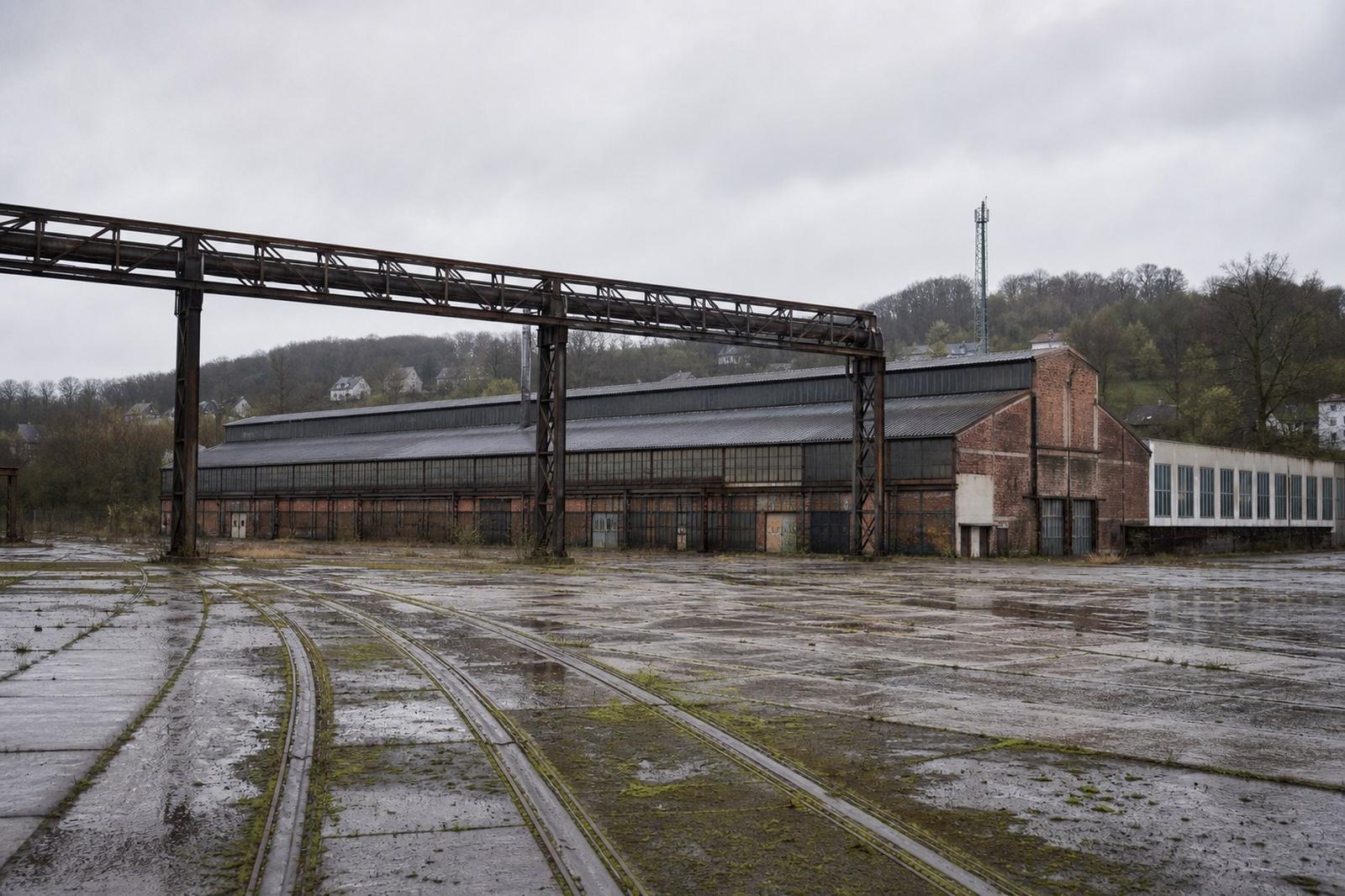
Luxembourg is preparing to build a domestic defence industry around the technologies it already knows best, as the government seeks jobs and investment from a military budget that is set to rise sharply. Economy Minister Lex Delles says the country will concentrate on software, space systems, satellite capacity, telecommunications and related services rather than heavy weapons. The physical centre of that strategy is intended to be a Defence Campus on the former Liberty Steel site in Dudelange.
The immediate step is regulatory. On 17 July, the Government Council approved a bill creating a specific legal regime for companies that manufacture defence-related products. Luxembourg currently has legislation covering weapons and ammunition, including a 2022 law applicable to civilian and sporting weapons, but no dedicated framework for the broader defence industry. The bill must still complete the legislative process before it becomes law.
A licence to manufacture, with security tests attached
Under the proposal, manufacturers would need approval from the Ministry of the Economy. Officials would examine the integrity of company directors and beneficial owners, the transparency of corporate structures and the security of production and storage facilities. Ownership, control or activities that could expose Luxembourg to espionage, foreign interference, terrorism, violent extremism, weapons proliferation, organised crime or related cybercrime could prevent approval.
Companies would also have to maintain a register tracing products throughout their life cycle, from manufacture to export, integration or destruction. Customs would help supervise compliance, while the new system would sit alongside existing export-control rules. That distinction matters in a sector where a communications component, satellite service or autonomous system can have both civilian and military uses.
“We’re looking more at software, space, satellite capacities, telecommunications, all sorts of sectors. It’s important for Luxembourg to ensure that companies active in these fields are able to set up more broadly, so we can continue to develop this sector,” Delles said.
The minister has explicitly ruled out attracting manufacturers of fighter aircraft, tanks or missiles. The strategy is instead designed around Luxembourg's smaller but established clusters in space, secure communications, data, cybersecurity and advanced research. The government also identifies autonomous systems, robotics, artificial intelligence, innovative materials, military logistics, quantum technologies and strategic recycling as possible fields of activity.
Dudelange as the testing ground
The planned campus would bring companies and public researchers together in a secure environment at the former steel site in Dudelange. Delles said the government was already speaking with maintenance specialists interested in establishing operations there and hoped economic activity could begin within nine to twelve months. That is an ambition rather than a guarantee: no tenant list, employment target or complete construction timetable has been announced.
The campus forms part of an “innovation pipeline” presented in March. The policy includes support for start-ups and scale-ups, efforts to identify defence applications arising from publicly funded research and the possibility of Luxembourg's defence administration acting as a first customer. Prime Minister Luc Frieden has also announced a €150 million investment fund for start-ups developing relevant technologies, including products with civilian as well as military applications.
For companies, public procurement can provide the first reference contract needed to enter tightly controlled European and NATO supply chains. For the state, the wager is that part of the money Luxembourg must spend on collective security can produce intellectual property, skilled employment and taxable activity at home instead of flowing almost entirely to foreign suppliers.
A larger budget raises the stakes
The sums are becoming material. The government has formally set defence spending at 2.1% of gross national income in 2027, 2.2% in 2028 and 2.3% in 2029. Based on current economic forecasts, that would mean approximately €1.373 billion, €1.513 billion and €1.665 billion respectively. The euro estimates may change with national-income forecasts, while the percentages have been politically agreed.
Luxembourg uses gross national income rather than gross domestic product for its NATO calculation because of the particular structure of its economy. The wider alliance commitment is to reach 5% by 2035, divided between 3.5% for core defence and 1.5% for broader security-related expenditure. Luxembourg has deliberately left its path after 2029 for a future government, ahead of NATO's planned review and after the 2028 national election.
The industrial return is not automatic. A campus and an investment fund can lower entry barriers, but companies will still need certification, specialist staff, durable orders and access to allied supply chains. Export controls and security screening will restrict which investors and customers qualify. The bill therefore marks the beginning of the experiment, not proof that it will succeed: Luxembourg is creating the legal and physical infrastructure first, and will then have to show that contracts and jobs follow.
Frequently asked
- Will Luxembourg manufacture tanks or missiles?
- The government says no. Its stated priorities are software, space and satellite capabilities, telecommunications, cybersecurity and other technology-led fields.
- What would the new defence-industry law require?
- Manufacturers would need approval, undergo ownership and security checks and keep records tracing products from manufacture to export, integration or destruction.
- Where will the Defence Campus be located?
- The government plans to establish it at the former Liberty Steel industrial site in Dudelange.
Sources
Around Luxembourg
A look at recent reporting on luxembourg from the Étude newsroom.
Related by topic
Other Étude stories tagged with the same topics as this article.
More in Luxembourg




Trending at Étude
Circular economy EU bans large companies from destroying unsold clothes and shoes
Banking Luxembourg bank interest rates in 2026: savings and mortgage figures published by Spuerkeess, BGL, Raiffeisen and BIL
Cross-border rail CFL to halt all trains between Luxembourg and Thionville for five weeks this summer
Family finance Child Benefit in Luxembourg: Amounts and How to Claim the Allocations Familiales