Energy transition
Luxembourg gets 23.3% of its electricity from renewables, third-lowest in EU
The share improved in 2025, but Luxembourg remains more than 26 percentage points behind the EU average as it pursues a much broader 2030 energy target.
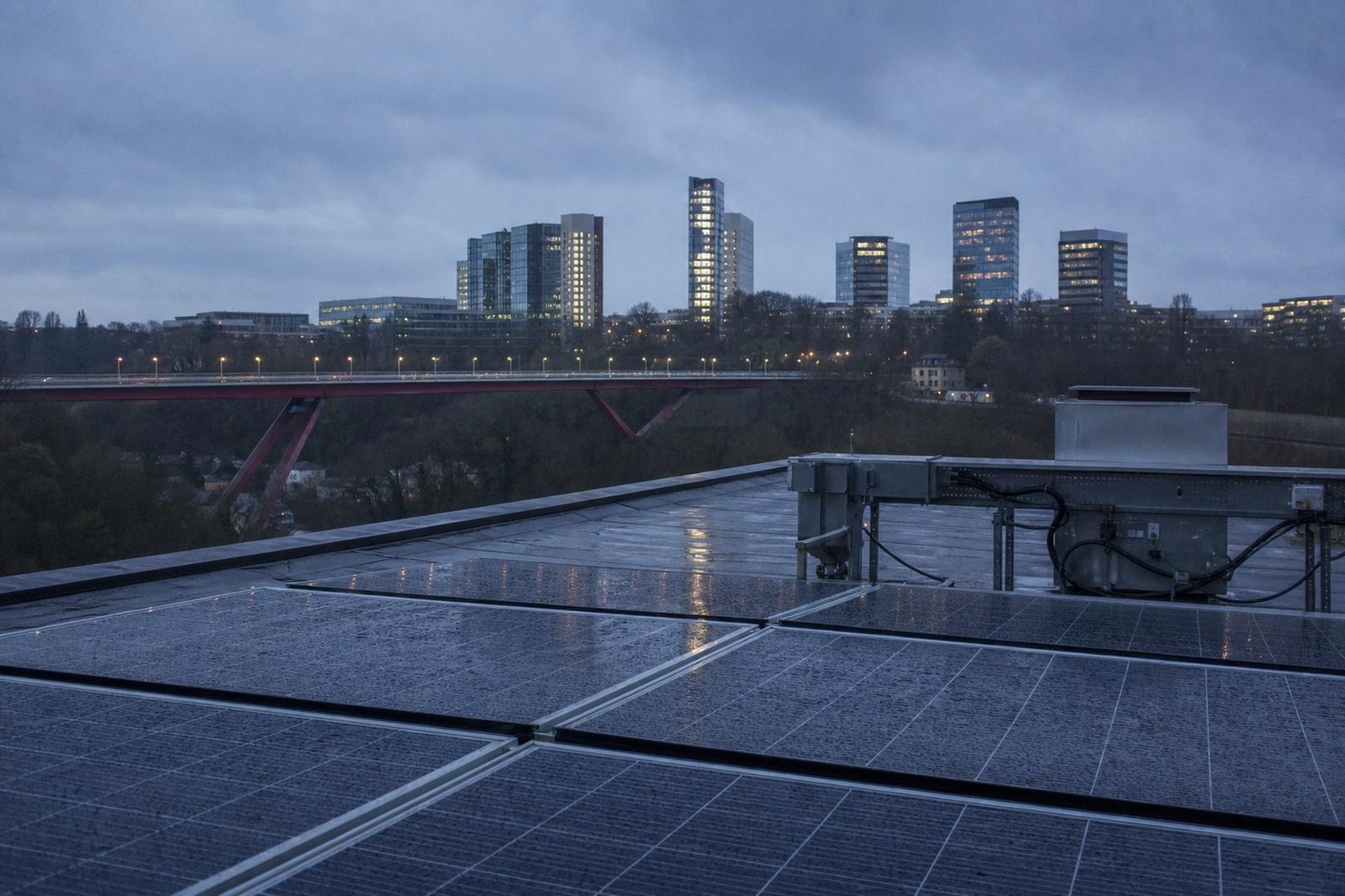
Luxembourg increased the renewable share of its electricity consumption in 2025, but remained close to the bottom of the European Union table as the bloc approached the halfway mark.
Provisional figures published by Eurostat on Thursday show that renewable sources supplied 23.3% of Luxembourg’s gross electricity consumption. That was an improvement from 20.5% in 2024, a gain of 2.8 percentage points, but only Malta and Czechia recorded lower shares.
Across the EU, renewables covered 49.9% of gross electricity consumption, up 2.4 percentage points from 47.5% a year earlier. Luxembourg therefore trailed the bloc-wide share by 26.6 percentage points even after improving slightly faster than the EU as a whole.
“Malta (11.2%), Czechia (19.2%), Luxembourg (23.3%), Slovakia (24.1%) and Cyprus (27.5%) registered the lowest shares.”
— Eurostat, provisional data for 2025
What the electricity figure measures
Gross electricity consumption is the electricity used by final consumers, adjusted to include the power sector’s own consumption and network losses. The renewable share can include electricity generated from sources such as solar, wind, hydro and sustainable biomass under the accounting rules of the EU Renewable Energy Directive.
It should not be confused with the proportion of Luxembourg’s domestic electricity production that is renewable. A small, interconnected country can produce a relatively green domestic mix while still covering much of its total demand through imports. Nor is the figure identical to the renewable share of all energy use, which also includes fuel used for heating, road transport and industry.
That distinction matters in Luxembourg. Eurostat’s latest complete data put renewables at 14.7% of the country’s gross final energy consumption in 2024, compared with an EU average of 25.2%. Oil products still accounted for more than half of Luxembourg’s final energy consumption, reflecting the continuing importance of road fuels.
A 37% target with a broader denominator
Luxembourg’s national energy and climate plan aims for renewables to reach 37% of gross final energy consumption by 2030. The target is broader than Thursday’s electricity indicator, so the two percentages cannot be treated as a direct progress bar. Electricity is only one part of the energy system; heating, transport and industrial consumption must also move away from fossil fuels.
The EU’s collective target is at least 42.5% renewable energy in gross final consumption by 2030. Provisional data put the bloc at 26.2% in 2025, one percentage point higher than in 2024. Eurostat estimates that the EU would need average annual gains of 3.3 percentage points from 2026 through 2030 to reach its target.
The European Environment Agency has already judged that Luxembourg’s 37% ambition will not be met if the historical trend simply continues. Its assessment says limited land and domestic renewable potential mean the country will need both faster national deployment and statistical transfers purchased through cross-border agreements that finance renewable projects elsewhere in the EU.
An interconnected system, not an island
Luxembourg’s challenge is structural as well as political. Eurostat estimates that net imports met 91% of the country’s energy needs in 2024, the second-highest import-dependency rate in the EU after Malta. The electricity system is closely connected to neighbouring markets, especially Germany, and national self-sufficiency is not the government’s stated objective.
Interconnection provides security and access to large regional wind and solar resources. It does not, however, remove the need to decarbonise consumption or insulate households and businesses from fossil-fuel shocks. The policy question is therefore how much renewable capacity Luxembourg can deploy at home, how efficiently it can use regional supplies and how quickly transport and heating can be electrified.
The national plan calls for faster photovoltaic deployment, repowering existing wind sites, simpler permits, more heat pumps and district-heating networks, electromobility, sustainable biofuels and renewable hydrogen for activities that are difficult to electrify. It also envisages European cooperation where domestic geography imposes limits.
The next test is implementation
The rise from 20.5% to 23.3% shows movement, but one year of provisional data does not establish a durable trajectory. Weather affects hydro, solar and wind output; consumption changes the denominator; and statistical revisions may alter the final result.
More revealing indicators will include newly installed capacity, the pace of grid and storage investment, heat-pump uptake, electric transport and the replacement of fossil heating. Progress must also be assessed against affordability and security of supply, not the league table alone.
For Luxembourg, the latest ranking is neither proof that the transition has failed nor a number that can be dismissed because the country is small. It is a concise measure of the distance between a more renewable European electricity system and the energy that Luxembourg currently consumes.
Frequently asked
- Is 23.3% Luxembourg’s share of renewable energy overall?
- No. It is the renewable share of gross electricity consumption in 2025. The wider energy measure also covers heating, transport and industry.
- Did Luxembourg improve compared with 2024?
- Yes. The renewable-electricity share rose from 20.5% to 23.3%, an increase of 2.8 percentage points.
- What is Luxembourg’s 2030 renewable-energy target?
- The national climate and energy plan targets renewables at 37% of gross final energy consumption by 2030.
Sources
Around Luxembourg
A look at recent reporting on luxembourg from the Étude newsroom.
Related by topic
Other Étude stories tagged with the same topics as this article.
More in Luxembourg




Trending at Étude
Circular economy EU bans large companies from destroying unsold clothes and shoes
Banking Luxembourg bank interest rates in 2026: savings and mortgage figures published by Spuerkeess, BGL, Raiffeisen and BIL
Cross-border rail CFL to halt all trains between Luxembourg and Thionville for five weeks this summer
Public finances Luxembourg inherits about €400 million from an heirless estate — enough to pay for the tripartite package