Safety on the network
Luxembourg records 3,461 transport incidents as unions demand tougher protection
Reports rose again in early 2026, sharpening the argument over dedicated police, body cameras and a long-pending transport-security law.
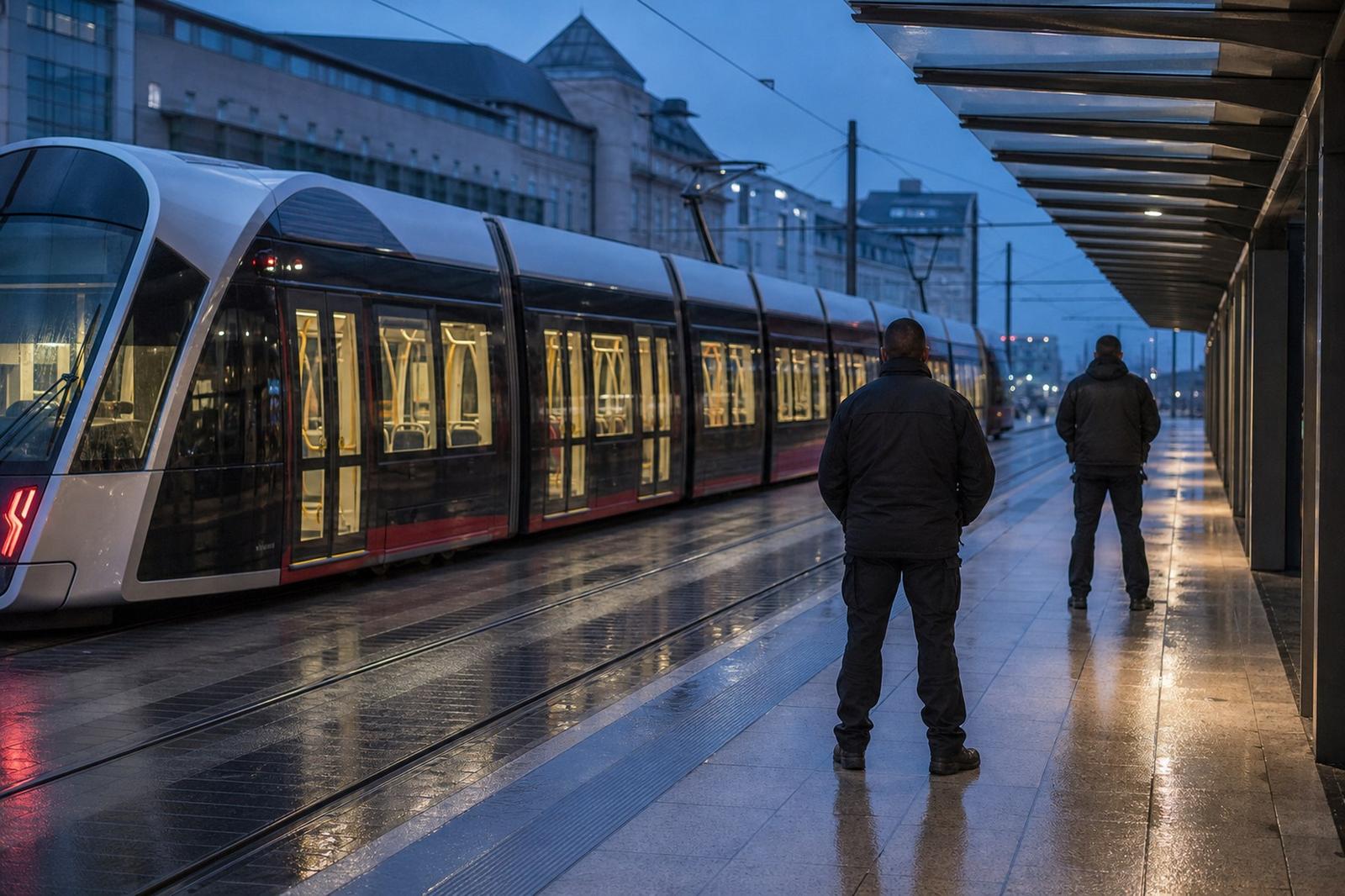
Luxembourg’s buses, trains and trams registered 3,461 reported incidents in 2025, placing safety on one of the country’s most heavily used public services back at the centre of political debate. The total was 5.8% higher than the 3,271 cases recorded a year earlier and included verbal and physical aggression as well as other behaviour affecting employees and passengers.
The upward movement has continued. Operators logged 1,884 incidents between January and June 2026, compared with 1,746 in the corresponding period last year, an increase of 7.9%. Those figures do not amount to a count of crimes or victims: they combine reports made by several operators, and the government says a stronger reporting culture explains part of the rise. Even so, unions argue that the experience of frontline employees warrants a more forceful response.
A larger network produces more reports — but not a simple verdict
The figures need to be read against a rapid expansion in passenger traffic. Luxembourg’s railways carried 31.4 million journeys in 2025, up from 22.5 million in 2015. Tram use reached 35.2 million journeys, compared with 6.1 million in 2019, while Luxembourg Central Station now handles about 80,000 passenger movements a day.
That growth makes a direct year-to-year comparison difficult. More passengers create more opportunities for disputes, and systematic reporting can raise the recorded total even when underlying risk changes less dramatically. There is also one countervailing indicator: reported assaults on staff declined by 1.16% in the first half of 2026 from the same period in 2025. The government presents that fall as evidence that prevention and protection measures are beginning to work.
Trade unions remain more cautious. Syprolux, which represents railway employees, says private security personnel cannot substitute for police powers and is calling for a specialised police unit for public transport. The LCGB wants protected buses and security staff concentrated on routes and at times where incidents are most frequent. Their demands shift the argument from the total number of reports to the speed and authority of the response when an episode becomes threatening.
"Safety and respect on public transport are a collective responsibility and a permanent political priority," Mobility Minister Yuriko Backes said.
Cabins and security teams are already being added
Physical protection is advancing unevenly across the network. By 15 July, 824 buses on the national RGTR network had secure driver cabins, representing 48.1% of the fleet. Because those vehicles are used frequently, they operate about 60% of monthly RGTR journeys. On CFL’s smaller bus fleet, 68 of 83 vehicles, or 82%, have protected cabins; the remaining older buses are due to be replaced by 2028.
Luxtram has opted for a more visible human presence. A trial involving security agents began in August 2025, and a second team was deployed from 1 July 2026 after the operator assessed the pilot positively. The agents provide prevention and assistance but do not possess the full authority of police officers, which is one reason the unions’ request for a dedicated unit remains politically significant.
The ministry is also studying body-worn cameras for transport employees, drawing on experience abroad and the rollout of body cameras within the Grand Ducal Police. No decision has been taken. Any introduction would have to settle operational questions and comply with Luxembourg’s data-protection requirements, particularly over when recordings begin, who may access them and how long they are retained.
Bill 8335 would define powers, cameras and penalties
The broader legal response is contained in bill 8335, which remains before parliament. The proposal would establish dedicated rules for safety and order on public transport, specify the permitted purposes of video surveillance and create administrative and criminal penalties for breaches. Deputies have argued that some proposed administrative fines are too low to deter misconduct, and revised amounts are being prepared.
A third opinion issued by the Council of State on 17 July clarified the legal basis for finding and retaining video evidence for possible use before the courts. That removes one obstacle but does not mean the bill has passed, and the government has announced no final voting date.
The policy challenge is to avoid treating every reported argument or breach of etiquette as a violent crime while still taking the vulnerability of drivers, inspectors and passengers seriously. Luxembourg’s numbers describe a growing, more closely monitored network rather than a single wave of identical offences. The coming parliamentary debate will determine whether better reporting is matched by clearer authority, targeted policing and safeguards strong enough to preserve trust in both security and surveillance.
Frequently asked
- What counts as a reported public-transport incident?
- The combined operator data cover verbal and physical aggression and other inappropriate behaviour involving staff or passengers; the total is not equivalent to a crime or victim count.
- Has Luxembourg approved body cameras for transport staff?
- No. The ministry is studying their potential use, including operational and data-protection implications.
- What is bill 8335?
- It is a bill intended to establish rules on safety and order, define the purposes of video surveillance and create appropriate administrative and criminal penalties on public transport.
Sources
Around Luxembourg
A look at recent reporting on luxembourg from the Étude newsroom.
Related by topic
Other Étude stories tagged with the same topics as this article.
More in Luxembourg




Trending at Étude
Public finances Luxembourg inherits about €400 million from an heirless estate — enough to pay for the tripartite package
Banking Luxembourg bank interest rates in 2026: savings and mortgage figures published by Spuerkeess, BGL, Raiffeisen and BIL
Circular economy EU bans large companies from destroying unsold clothes and shoes
Cross-border rail CFL to halt all trains between Luxembourg and Thionville for five weeks this summer