Climate
Europe's Record Heat Turns Deadly From Andalusia to the Channel
A heatwave that arrived weeks early has broken June temperature records across the continent, with Spain linking more than 200 deaths to the heat and France counting dozens of drownings.
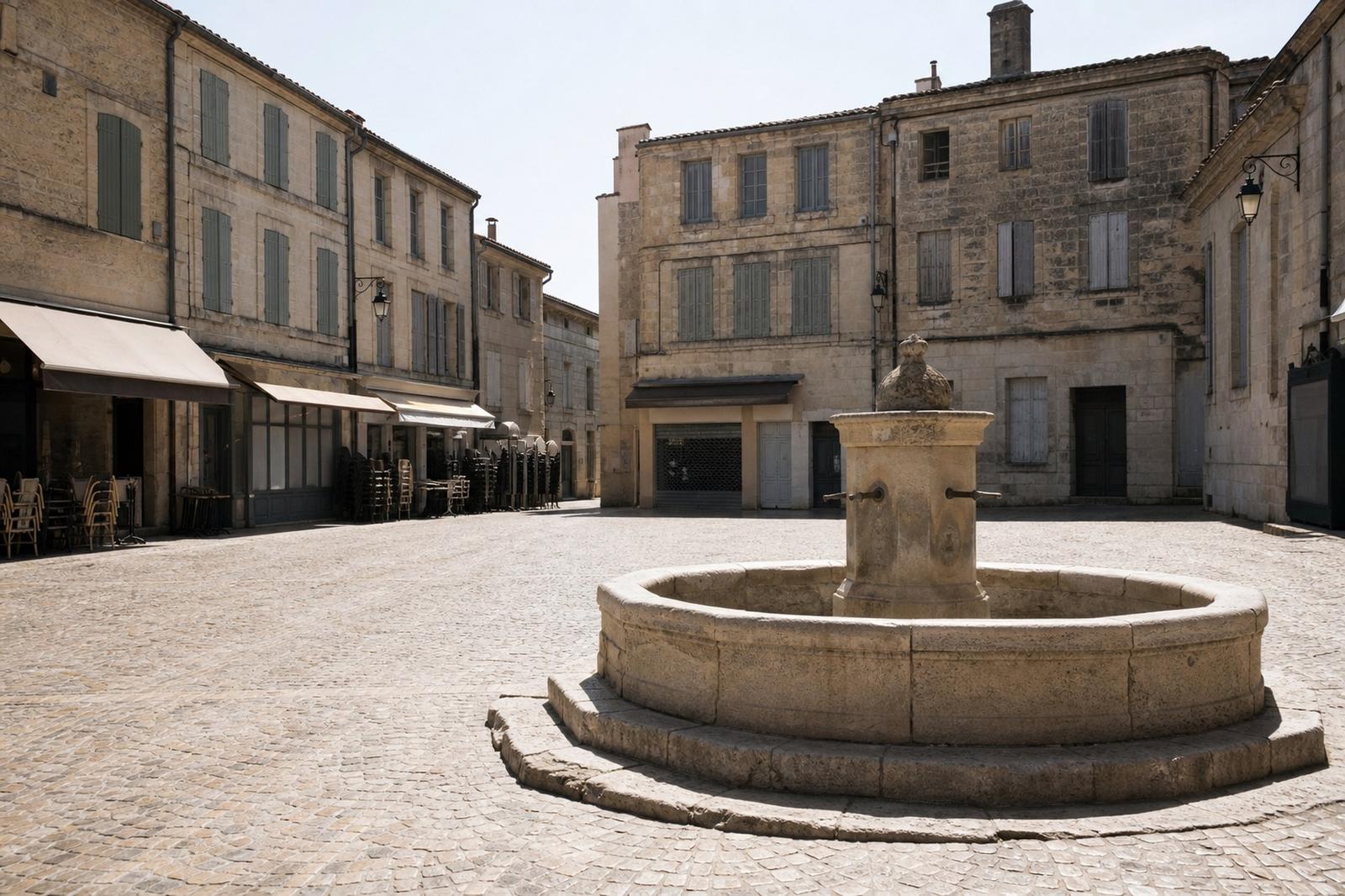
For a continent that has learned to brace for August, the heat came in June — early, sudden and lethal. An intense dome of high pressure settled over western and southern Europe in the days around the summer solstice, sending temperatures 14 to 18 degrees Celsius above normal and toppling records that in some places had stood for decades.
By Thursday the human cost was no longer abstract. In Spain, a public-health monitoring system estimated that the heat may be linked to more than 200 excess deaths between Sunday and Wednesday alone. In France, where the national thermometer reached levels never before recorded in June, the toll has been compounded by a second, grimmer hazard: the water people fled to in search of relief.
A continent above its limits
The records fell almost hourly. France logged 44.3C at Pissos, in the Landes, on 23 June — its hottest day ever measured, with the national average temperature surpassing the previous high set in 2019. Spain recorded 45.1C at Andújar, in Andalusia, and saw its highest June daily mean temperatures since at least 1950. Britain pushed past 36C, Italy placed sixteen cities under red alert, and even the Netherlands and Austria braced for readings near 39C.
What set this episode apart was its reach. The heat pressed into regions normally spared the worst of it: parts of northern Spain, including Cantabria and the Basque Country, climbed past 40C, while Ireland and the Low Countries recorded readings far outside their June norms. Meteorologists described a heat dome of unusual size and persistence, anchored over the continent rather than passing through.
The relief that kills
The most wrenching deaths came not from the heat itself but from the escape. Across France, at least 40 people drowned in rivers, lakes and quarries in the space of a few days, many of them young and swimming in unsupervised water. Prime Minister Sébastien Lecornu called the drownings a “tragic scourge”. His sports minister, Marina Ferrari, warned bluntly that “to go swimming in unauthorised areas during a heatwave is not something to take lightly”.
Heatwaves like we are seeing now are about 30 times more likely to happen than in the pre-climate change era.
That assessment, from Laurie Parsons, a human geographer at Royal Holloway, University of London, captures the unease running beneath the week's statistics. The most vulnerable rarely make the temperature charts: in Carpentras, in south-eastern France, two children aged two and four were found unconscious in the family car and could not be revived.
Hospitals and schools under strain
The heat has also exposed how poorly Europe's public buildings are built for it. Two-thirds of France fell under a red heat warning, fifty-four departments at the highest level; hundreds of schools closed or shortened their day, and tens of thousands of households lost power as the grid strained. In Britain, where almost no hospital or school has air conditioning, trusts cancelled appointments and operations; one hospital in Norfolk lost the cooling on its MRI scanners. The Financial Times reported that up to 4,000 surgeries were at risk across the National Health Service.
Emergency services reported surges in call-outs for heatstroke and dehydration, and care homes — where the elderly are most exposed — featured heavily in the early mortality data. Health authorities and the World Health Organization urged people to check on elderly neighbours and to stay out of the midday sun.
- France: hottest day on record at 44.3C; at least 40 drownings and further heat-related deaths.
- Spain: more than 200 deaths linked to the heat in four days; 45.1C in Andalusia.
- United Kingdom: temperatures above 36C; hospitals and schools disrupted.
An early warning
What unsettles climatologists is the calendar. A heatwave of this severity in late June, before summer has properly begun, points to a season that may yet grow more dangerous. The pattern is consistent with a warming climate that loads the dice toward extremes, lengthening the season in which Europe is exposed and pushing peaks higher.
For now, forecasters expect little immediate relief, with temperatures across much of the continent set to remain sharply above normal. Luxembourg and its neighbours have not been spared the heat; here, as elsewhere, the question raised by this week is less whether such summers will return than whether the continent's hospitals, schools and power grids are ready for them when they do.
Frequently asked
- Why is this heatwave considered unusual?
- It struck in late June, weeks before peak summer, and broke long-standing national June records across several countries simultaneously.
- Why have so many people drowned in France?
- Many sought relief in rivers, lakes and quarries, often unsupervised waters; at least 40 people drowned in a matter of days.
- How are hospitals affected?
- In Britain, where few hospitals have air conditioning, appointments and operations were cancelled, with up to 4,000 surgeries reported at risk.
Sources
Around Europe
A look at recent reporting on europe from the Étude newsroom.
Related by topic
Other Étude stories tagged with the same topics as this article.
More in Europe


Trending at Étude
Financial regulation Luxembourg regulator will let Israeli bond prospectus expire on 31 August
Languages Luxembourg's three official languages — Luxembourgish, French and German — and where each is used
Startup Guide How to Start and Fund a Startup in Luxembourg: A 2026 Founder's Guide
Safety Guide Safety in Luxembourg: A Guide for Visitors and Residents