Gulf diplomacy
Iran keeps Strait of Hormuz closed despite progress on an Omani shipping plan
Tehran says negotiations over new maritime lanes are nearly complete, but ties any reopening to wider US concessions on sanctions, frozen assets and military pressure.
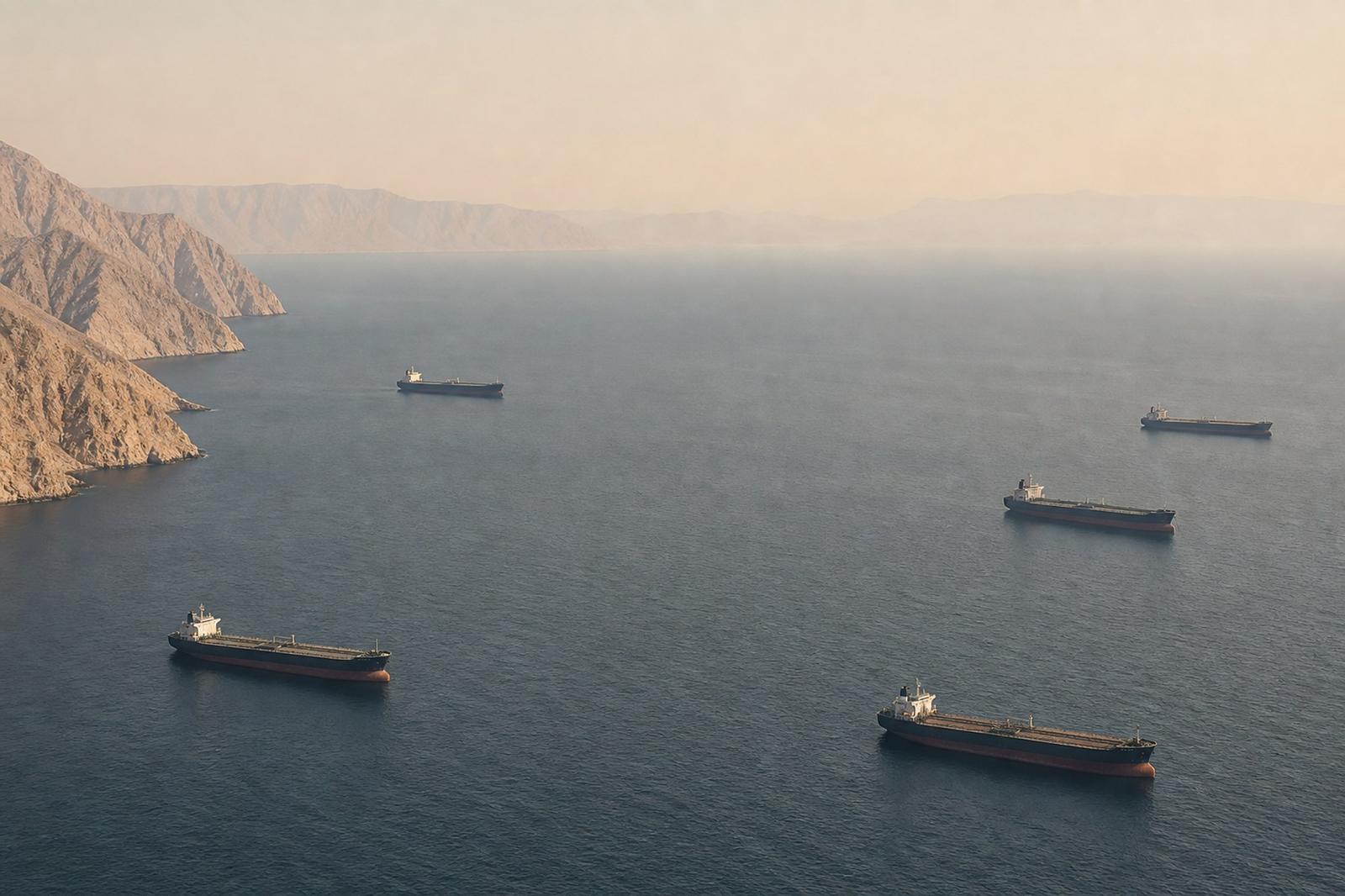
Iran has separated two questions that mediators had hoped to settle together: how ships might navigate the Strait of Hormuz and whether Tehran will allow the waterway to reopen at all.
Foreign Minister Abbas Araghchi said in Tehran on Sunday that negotiations with Oman over new maritime routes were in their final stages. He immediately cautioned, however, that agreement on those lanes would not remove Iran’s wider conditions for reopening the strait, the critical outlet from the Persian Gulf.
“This, however, does not mean that the Strait of Hormuz will reopen.”
— Iranian Foreign Minister Abbas Araghchi
The distinction has disrupted hopes that technical progress with Oman could produce a quick return of commercial traffic. Iran’s Supreme National Security Council says Washington must first change its conduct. Its demands include an end to threats and hostilities against Iran and its regional allies, removal of the US naval blockade, withdrawal of American forces from the area, sanctions relief, access to frozen Iranian assets and compensation for war damage.
Those conditions reach well beyond traffic management. They seek to revive disputed elements of the US-Iran memorandum signed in June while adding guarantees that would amount to a much broader political settlement. Messages are still passing through intermediaries, Araghchi said, but Tehran does not regard that exchange as a resumption of direct negotiations.
A route agreement is not yet a reopening
The arrangement being discussed with Oman would reportedly divide shipping by direction. Vessels entering the Persian Gulf would use a northern route through Iranian waters, while outbound traffic would pass through Omani waters to the south. Ships would not pay tolls during the temporary period.
Such a system could give both coastal states a formal role without resolving the deeper dispute between Iran and the United States. Associated Press reporting, based on people familiar with the talks, says the temporary arrangement is also intended to restart a 60-day period for negotiations on Iran’s nuclear programme. The terms remain under discussion and could change before any announcement.
The physical movement of ships is only one part of the problem. Mines, military deployments, insurers’ assessments and the risk of renewed attacks all affect whether shipowners will return. A diplomatic declaration can open a lane on paper; normal traffic requires crews, operators and insurers to believe passage is sustainable.
US Central Command says its blockade had redirected 53 commercial vessels, disabled two and boarded two by Saturday. That is an American military account and has not been independently adjudicated. Iran, for its part, accuses Washington of breaching the June understanding and presents its control of the strait as leverage to compel compliance.
The June bargain at the centre of the dispute
The June memorandum committed the United States to begin removing its naval blockade immediately and complete the process within 30 days. Iran promised to make arrangements for safe commercial passage without charges for 60 days and to hold discussions with Oman and other Gulf states about the waterway’s future administration.
The document also established a 60-day window for a final agreement. It envisaged a schedule for ending sanctions, US waivers for Iranian oil exports and procedures to make frozen Iranian assets available. Iran reaffirmed that it would not develop nuclear weapons, while the fate of its enriched material and the future of domestic enrichment were left for the final negotiations.
That design depended on sequencing. Maritime access, blockade relief, oil waivers and frozen funds were meant to create the conditions for talks on sanctions and the nuclear programme. Once each side accused the other of violating the initial steps, the sequence became another instrument of pressure: Washington could withhold economic relief, while Tehran could restrict the strait.
The present disagreement therefore concerns more than the wording of a shipping accord. Iran wants the earlier commitments restored before substantive negotiations resume. The United States and its partners want dependable navigation through Hormuz without first conceding every issue that the final talks were supposed to decide.
Why Luxembourg feels a distant maritime crisis
About 15 million barrels of crude oil and five million barrels of petroleum products normally pass through Hormuz each day, according to the International Energy Agency—roughly one-fifth of global oil consumption. There is no alternative route capable of replacing the strait at that scale. Disruption therefore affects global benchmarks even when a European country buys its fuel from a refinery elsewhere.
Luxembourg is especially exposed to that price transmission. The country has no refinery and imports all the oil it consumes as finished products. Its regulated maximum prices for petrol, diesel, heating oil and liquefied petroleum gas are calculated daily from market prices, taxes and distribution costs.
That does not mean Luxembourg’s fuel comes directly from Iran or another Gulf producer. It means a shock to the global price of crude and refined products can travel quickly into the formula used at Luxembourg filling stations. Transport companies, commuters, aviation and households using heating oil all face the consequences if disruption persists.
The immediate diplomatic test is whether Iran and Oman can finalise their navigation plan without another military escalation. The larger test is harder: whether that narrow maritime compromise can be connected to the disputed June bargain. Tehran’s message on Sunday was that one cannot substitute for the other.
Frequently asked
- Has Iran agreed to reopen the Strait of Hormuz?
- No. Iran says route negotiations with Oman are advanced, but reopening remains conditional on wider concessions from the United States.
- What would the proposed shipping arrangement do?
- Reported terms would direct inbound vessels through Iranian waters and outbound traffic through Omani waters, without tolls during a temporary period.
- Why does the dispute matter to Luxembourg?
- Luxembourg imports all its oil as finished products, and its regulated maximum fuel prices respond to international market prices.
Sources
Around World
A look at recent reporting on world from the Étude newsroom.
Related by topic
Other Étude stories tagged with the same topics as this article.
More in World



Trending at Étude
Culture Luxembourg's cuisine: the national dish and traditional classics
Startup Guide How to Start and Fund a Startup in Luxembourg: A 2026 Founder's Guide
Financial regulation Luxembourg regulator will let Israeli bond prospectus expire on 31 August
Cross-border rail CFL to halt all trains between Luxembourg and Thionville for five weeks this summer