A fragile opening
United States and Iran halt strikes for a second day as talks regain ground
The conditional lull after 13 nights of US raids sent Brent lower, but control of Hormuz and Iran’s nuclear programme remain unsettled.
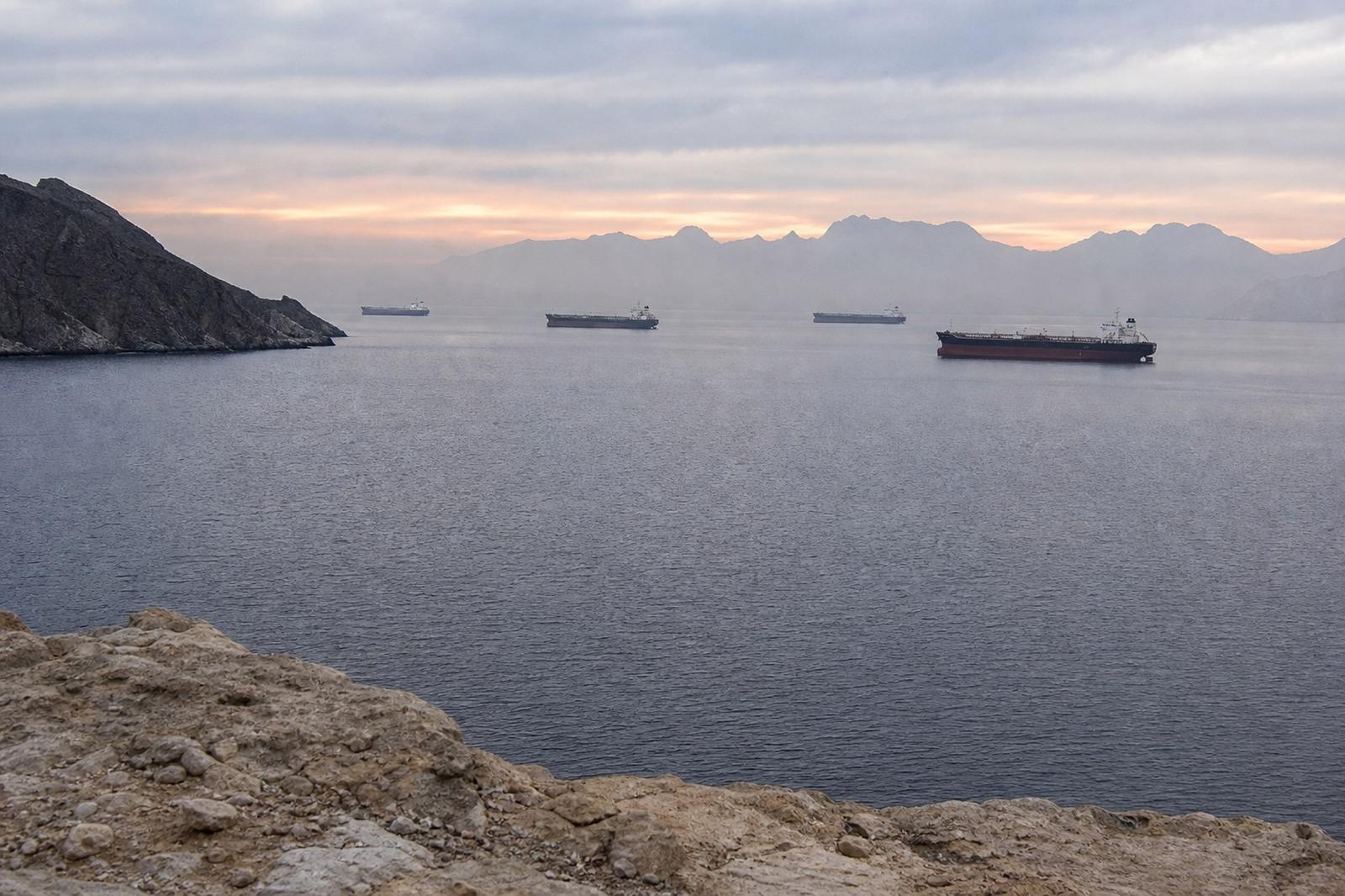
The United States and Iran refrained from attacking each other for a second consecutive day on Sunday, interrupting the most intense phase of fighting since their interim agreement began to unravel. The Pentagon suspended its bombing campaign late on Friday after 13 straight nights of US airstrikes. Iran, which had answered the raids with attacks on American interests and host countries in the region, also held fire through the weekend.
The quiet is conditional. A senior Iranian official told Reuters that Tehran would continue to refrain from attacks only for as long as Washington did the same. No armistice has been signed, neither side has renounced force, and the US naval blockade of Iranian ports remains in place.
A military pause without a political settlement
The Trump administration presents the decision as an opening for diplomacy. Mike Waltz, the US ambassador to the United Nations, said contacts involving Iran, Oman and American negotiators were continuing from the technical level to senior officials.
“He’s giving talks some space. He’s giving it a little bit of room.”
Mike Waltz, US ambassador to the United Nations, speaking about President Donald Trump on Fox News Sunday
That explanation does not settle why the strikes stopped. The New York Times and Reuters, citing American officials, reported that military advisers had raised concerns about the strain on US munitions, including interceptor missiles used to protect bases in the Middle East. Reuters also reported that the campaign had largely exhausted its preselected targets. Waltz disputed the suggestion of an immediate shortage and said the military had everything required to continue the campaign.
The distinction matters. A pause chosen to support negotiations could last while diplomacy advances; an operational pause could end as soon as targets or weapons are available. Trump has continued to reserve the option of a larger attack. Tehran, for its part, has offered reciprocity rather than an unconditional commitment.
The dispute over Hormuz remains the hinge
The wider war began on 28 February with US and Israeli attacks on Iran. Its latest escalation has centred on the Strait of Hormuz, through which roughly one-fifth of the world’s oil normally travels. Iran has sought control over routes and procedures in the waterway, while Washington has supported a southern corridor closer to Oman and used force against Iranian coastal defences.
An Omani delegation held several rounds of technical discussions in Tehran on Friday and Saturday. Iranian Foreign Ministry spokesperson Esmail Baghaei said progress had been made and talks were continuing. The negotiations concern the management of safe shipping, the division of traffic between possible routes and the authority Iran would exercise over vessels passing through the strait.
Those discussions could provide a route back to the 60-day interim framework agreed in mid-June. That arrangement was intended to create time for a broader settlement, but renewed attacks have left it badly damaged. The central political questions, including the future of Iran’s nuclear programme, have not been resolved. Nor has the weekend lull restored normal shipping: the American blockade remains, and market participants still treat the strait as an impaired route.
Oil prices register relief, not confidence
Brent crude fell by about 5% in early Monday trading as dealers reduced the immediate risk premium attached to a new round of strikes. The benchmark had briefly moved above $100 a barrel last week. The reversal is substantial, but it does not mean traders expect an enduring peace. Oil remains sensitive to any attack on shipping, coastal installations or US bases.
The reprieve matters in Europe, and particularly in Luxembourg. Eurostat put Luxembourg’s energy-import dependency at 91% in 2024, the second-highest rate in the European Union. STATEC explicitly treats Brent movements as a factor influencing domestic petrol, diesel and heating-oil prices. A lower crude price can therefore ease pressure on household costs and inflation, though one trading session does not determine the next price at the pump.
The durability of the pause now rests on three tests:
- whether Washington and Tehran continue to withhold fire when the next maritime incident occurs;
- whether Oman can turn technical discussions into workable and mutually accepted navigation rules;
- whether the two governments return to negotiations on the nuclear programme and a final end to the war.
For now, the absence of strikes is a meaningful change after 13 nights of escalation. It is not yet a ceasefire, still less a peace agreement. The oil market’s rapid fall captures both sides of the moment: the cost of immediate danger has declined, while the price of unresolved risk remains.
Frequently asked
- Have the United States and Iran agreed to a ceasefire?
- No. Both sides have paused attacks, but there is no new signed ceasefire and each retains the option of using force.
- Why is the Strait of Hormuz central to the talks?
- Roughly one-fifth of global oil normally passes through it, and Washington and Tehran remain divided over shipping routes, control and security.
- What does the pause mean for Luxembourg?
- Brent’s roughly 5% fall may reduce energy and inflation pressure, but it does not guarantee an immediate fall in Luxembourg fuel prices.
Sources
Around World
A look at recent reporting on world from the Étude newsroom.
Related by topic
Other Étude stories tagged with the same topics as this article.
More in World

Kyiv Holds the Line, and the West's Economic Weapons Start to Bite

The Scarcest Thing in Tech Is Now a Computer


Trending at Étude
Tourism Luxembourg Records 922,000 International Tourists in 2025, Up 5% with Higher Spend per Visitor
United Kingdom Starmer Quits, and Britain Lines Up Its Seventh Prime Minister in a Decade
Critical minerals Washington Backs a Kazakh Tungsten Mine. The President's Sons Are Inside the Deal.
Newcomer's guide How Healthcare Works in Luxembourg, and How to Register With the CNS