Higher education
University of Luxembourg rector Jens Kreisel will not seek a second term amid harassment crisis
The physicist will leave office at the end of 2027 after a single mandate, as harassment allegations, a ministerial decree and three audits engulf the Grand Duchy's only public university.
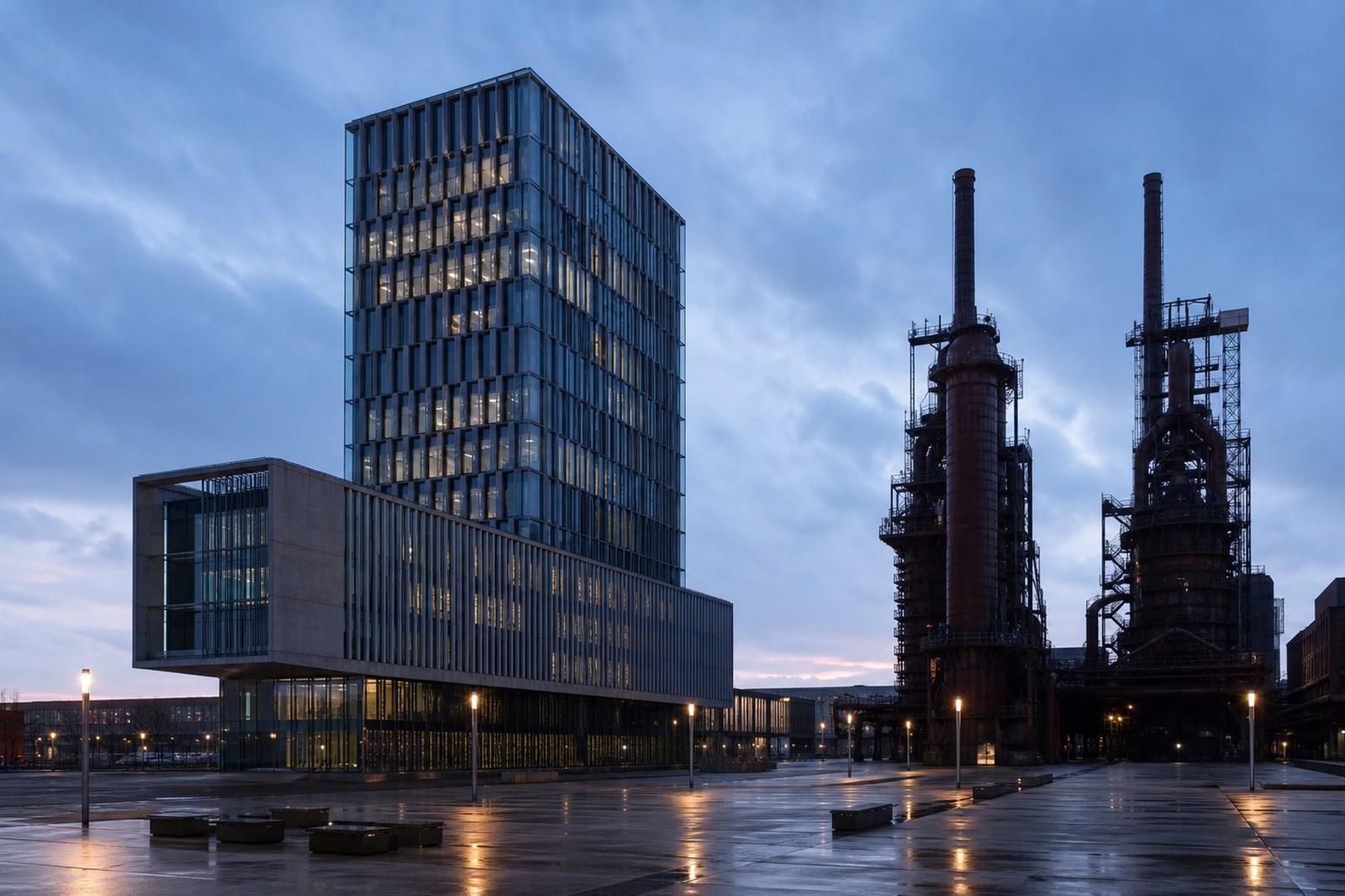
Jens Kreisel, the physicist who has led the University of Luxembourg since the start of 2023, will not seek a second term, he confirmed this week — closing at a single mandate a rectorship whose final stretch has been consumed by harassment allegations, a ministerial intervention and duelling audits at the Grand Duchy's only public university.
Kreisel, a materials-physics specialist who spent a decade in the university's senior leadership before taking its top post, will stay in office until his mandate expires on 31 December 2027. Under the institution's statutes, a rector must tell the board of governors at least eighteen months before a term ends whether he wishes to stand again. His announcement clears the way for the board to open a recruitment procedure for a successor, who would take office on 1 January 2028. Kreisel has said he will then return to research and teaching.
"After careful reflection… Together, we have achieved a great deal," Kreisel said of his decision to step aside at the end of the term.
A mandate overshadowed by a crisis
The announcement lands in the middle of the deepest internal crisis in the young university's history. Since the autumn of 2025, a stream of testimonies from staff, doctoral researchers and academics has described a work climate they call toxic, with accusations of moral harassment, contested dismissals and blocked promotions — concentrated, according to those accounts, in the Faculty of Law, Economics and Finance.
Kreisel drew sharp criticism for his early handling of the affair, dismissing the complaints as isolated "individual cases" and, in the eyes of many staff, showing too little empathy toward those who said they had been harmed. At one press conference he set out figures meant to put the numbers in perspective: 190 requests for promotion since 2018, of which 60 were granted; some 50 dismissals between 2020 and 2025, four of them later reclassified by the courts; and 27 formal complaints filed over six years.
The pressure took a personal toll. Kreisel was absent on medical leave for about a month before returning to his desk at the start of May 2026, with an interim rector standing in during his absence. Shortly after his return, the mandate of a vice-dean was brought to an early end.
The ministry steps in, and the audits multiply
The government has not stayed on the sidelines. Stéphanie Obertin, the minister for research and higher education, moved to tighten oversight of the institution: a decree of 20 April 2026 reorganised the university's supervisory bodies so that the rectorate is systematically kept out of decisions on the composition of the organs meant to scrutinise it.
Three separate reviews are now under way:
- an internal audit launched in November 2025;
- an external human-resources audit ordered by the university itself in January 2026;
- a second external audit commissioned by the ministry in February 2026, covering every level of governance and possible conflicts of interest.
Their conclusions, still awaited, are likely to shape not only the final months of Kreisel's tenure but the terms on which his successor takes over.
A young institution at a turning point
Founded only in 2003, the University of Luxembourg is the country's sole public university and a centrepiece of its ambition to build a knowledge economy alongside its financial centre. A leadership change at the top, negotiated in public and against the backdrop of a harassment scandal, is a first for an institution still writing its own rulebook.
The stakes reach beyond the campus at Belval. The university competes internationally for researchers and students, and its reputation as an employer is part of what draws them; a governance crisis that has played out in the national press for the better part of a year is precisely the kind of signal such recruits weigh. How the institution answers the allegations — and whom it chooses to lead it next — will help decide whether the episode is remembered as a painful correction or a lasting setback.
For now, the board of governors must find a candidate willing to take the helm in January 2028 and to steer the university out of the crisis — while Kreisel serves out the eighteen months that remain and prepares to trade the rector's office for a laboratory and a lecture hall.
Frequently asked
- When will Jens Kreisel leave his post as rector?
- His mandate runs until 31 December 2027, and his successor is expected to take office on 1 January 2028. He plans to return to research and teaching.
- Why is the University of Luxembourg in crisis?
- Since autumn 2025, staff, doctoral researchers and academics have alleged a toxic work climate and moral harassment, particularly in the Faculty of Law, Economics and Finance.
- What has the government done in response?
- Research minister Stéphanie Obertin reorganised the university's oversight bodies by decree in April 2026, and the ministry ordered an external audit; two further audits are also under way.
Sources
Around Luxembourg
A look at recent reporting on luxembourg from the Étude newsroom.
Related by topic
Other Étude stories tagged with the same topics as this article.
More in Luxembourg



Trending at Étude
Semiconductors Apple Raises Mac and iPad Prices, Blaming the AI Memory Crunch
Wages and purchasing power Luxembourg's next wage-indexation tranche forecast for June 2026, pending official index data
Somalia Somalia Prepares First Offshore Oil Drilling After Decades of Delays
NATO Summit NATO opens Ankara summit hours after deadly Russian strike on Kyiv