Semiconductors
Apple Raises Mac and iPad Prices, Blaming the AI Memory Crunch
The iPhone maker says it can no longer absorb soaring memory costs as data centres swallow the world's chip supply. A day earlier, Micron's blowout results showed who is profiting.
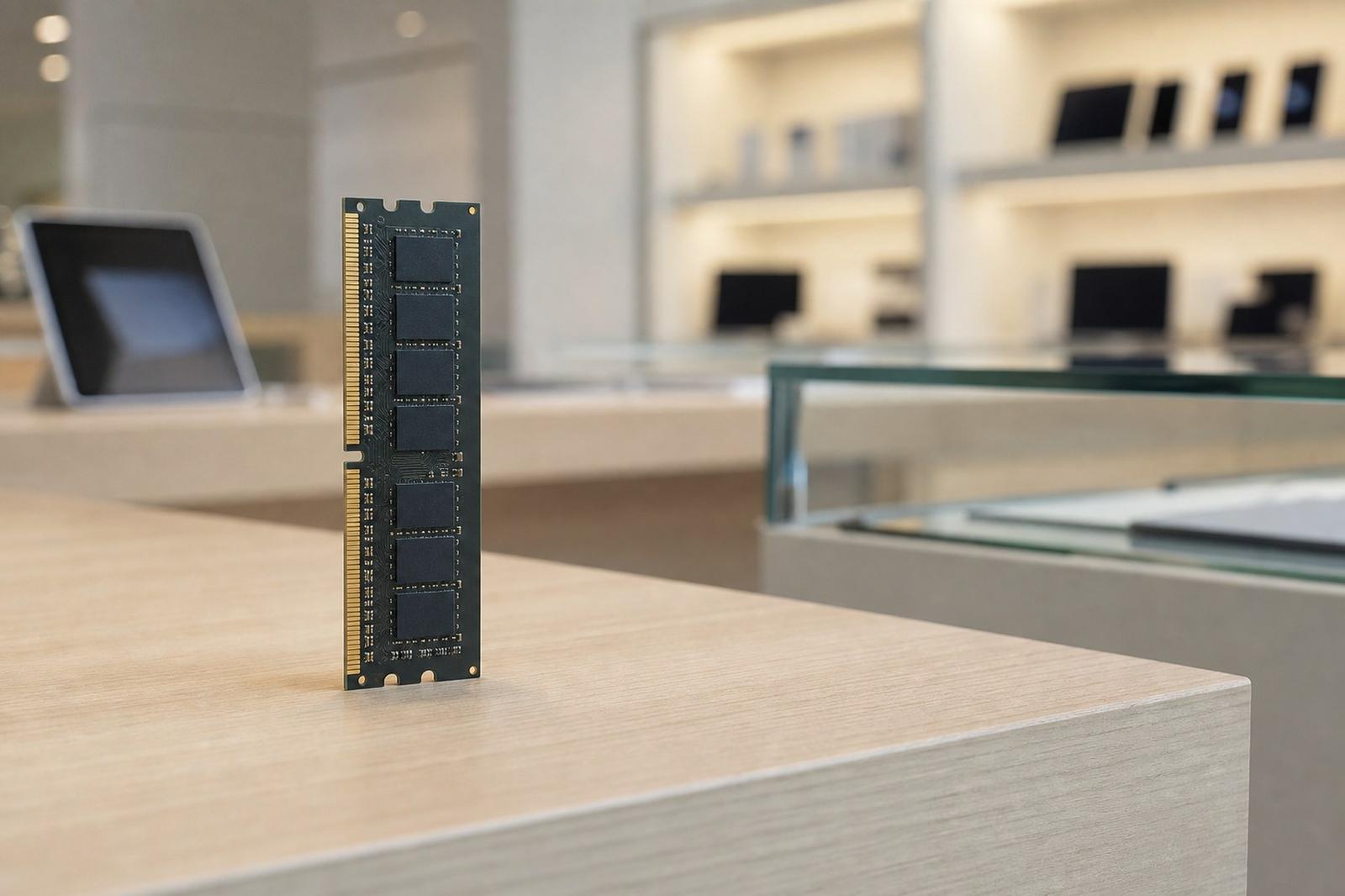
Apple does not often raise prices between product launches. On Thursday it did exactly that, lifting the cost of almost its entire Mac and iPad range and pinning the blame squarely on a shortage of memory chips that the artificial-intelligence boom has turned into one of the technology industry's defining bottlenecks.
The increases are steep by the company's usual standards. The 512-gigabyte MacBook Air now starts at $1,299, up from $1,099. A one-terabyte MacBook Pro rises to $1,999 from $1,699. The iPad Air climbs to $749 from $599 — a jump of a quarter — while the entry-level MacBook Neo moves to $699 from $599. The changes took effect immediately in Apple's online store.
One product was conspicuously spared: the iPhone, Apple's single largest source of revenue, kept its prices unchanged. The exception underlines how carefully Apple is managing the optics of an increase it clearly did not want to make.
"We have never seen a component price increase this much, this quickly," an Apple spokesperson said. "We have shielded our customers from these increases so far, but we have now reached a point where we need to begin raising prices."
A shortage made in the data centre
The culprit is memory — the DRAM and NAND flash chips that store data in every laptop, tablet and phone. For two years those parts were cheap and plentiful. Then the AI build-out arrived. The vast server farms now being erected to train and run large language models are voracious consumers of memory, and chipmakers have redirected their output toward the hyperscalers paying the most. By some industry estimates, data centres will absorb roughly 70 percent of the world's memory production this year, leaving phone and computer makers to compete for what remains.
The result has been a price spiral that traders have begun calling "RAMageddon". Contract prices for DRAM rose by as much as 95 percent in the first quarter of 2026 alone, with further increases of around 60 percent forecast for the current quarter and even steeper rises for NAND. Manufacturers including Nvidia have locked in long-term supply deals, squeezing everyone downstream.
One company's bottleneck is another's windfall
What looks like a crisis to Apple looks like a gold rush to the firms that make the chips. A day before Apple's announcement, Micron Technology, the largest American memory manufacturer, reported quarterly results that startled even optimistic analysts. Revenue in its fiscal third quarter reached $41.46 billion, up 346 percent on a year earlier, and the company posted a gross margin of 84.9 percent — a figure almost unheard of in a business long synonymous with brutal boom-and-bust cycles.
Micron's shares, which have climbed roughly 700 percent over the past year and carried its market value above $1 trillion, rose again after the report. Chief executive Sanjay Mehrotra told investors that customers now accept the shortage will take considerable time to ease, with supply unlikely to loosen meaningfully before 2028.
- MacBook Air (512GB): $1,099 → $1,299
- MacBook Pro (1TB): $1,699 → $1,999
- iPad Air (128GB): $599 → $749
- MacBook Neo (entry): $599 → $699
- iPhone: unchanged
Why the bill reaches Europe too
Apple sets its European prices separately, but the pressure behind Thursday's move is global, and European buyers will not be spared a comparable adjustment. The continent is especially exposed: it manufactures almost no memory of its own, despite the ambitions of the EU Chips Act, and remains dependent on a handful of producers in the United States and Asia. When their prices move, Europe's importers and consumers follow.
The pain is unlikely to stop at laptops. The research firm IDC expects average smartphone prices to rise by around 20 percent this year and forecasts that the higher costs will depress smartphone sales by close to 14 percent and personal-computer sales by more than 11 percent. For a decade, falling component costs quietly made consumer electronics better and cheaper at once. The AI era has reversed that bargain — and Apple's price list is the first place ordinary buyers will feel it.
Frequently asked
- Why did Apple raise prices?
- Soaring costs for DRAM and NAND memory chips, driven by AI data-centre demand, which Apple says it can no longer fully absorb.
- Did the iPhone get more expensive?
- No. Apple left iPhone prices unchanged, sparing its single largest revenue source while raising Mac and iPad prices.
- When will memory prices fall again?
- Micron's chief executive says supply is unlikely to loosen meaningfully before 2028.
Sources
Around Tech & Science
A look at recent reporting on tech & science from the Étude newsroom.
Related by topic
Other Étude stories tagged with the same topics as this article.
More in Tech & Science




Trending at Étude
Financial regulation Luxembourg regulator will let Israeli bond prospectus expire on 31 August
Startup Guide How to Start and Fund a Startup in Luxembourg: A 2026 Founder's Guide
Culture Luxembourg's cuisine: the national dish and traditional classics
Languages Luxembourg's three official languages — Luxembourgish, French and German — and where each is used