Cost of living
Luxembourg parliament approves fuel, gas and heating subsidies to ease energy costs
Deputies passed the tripartite "Resilienzpak" energy measures and a €226 million overhaul of the tax administration, as the opposition questioned why relief is arriving only now.
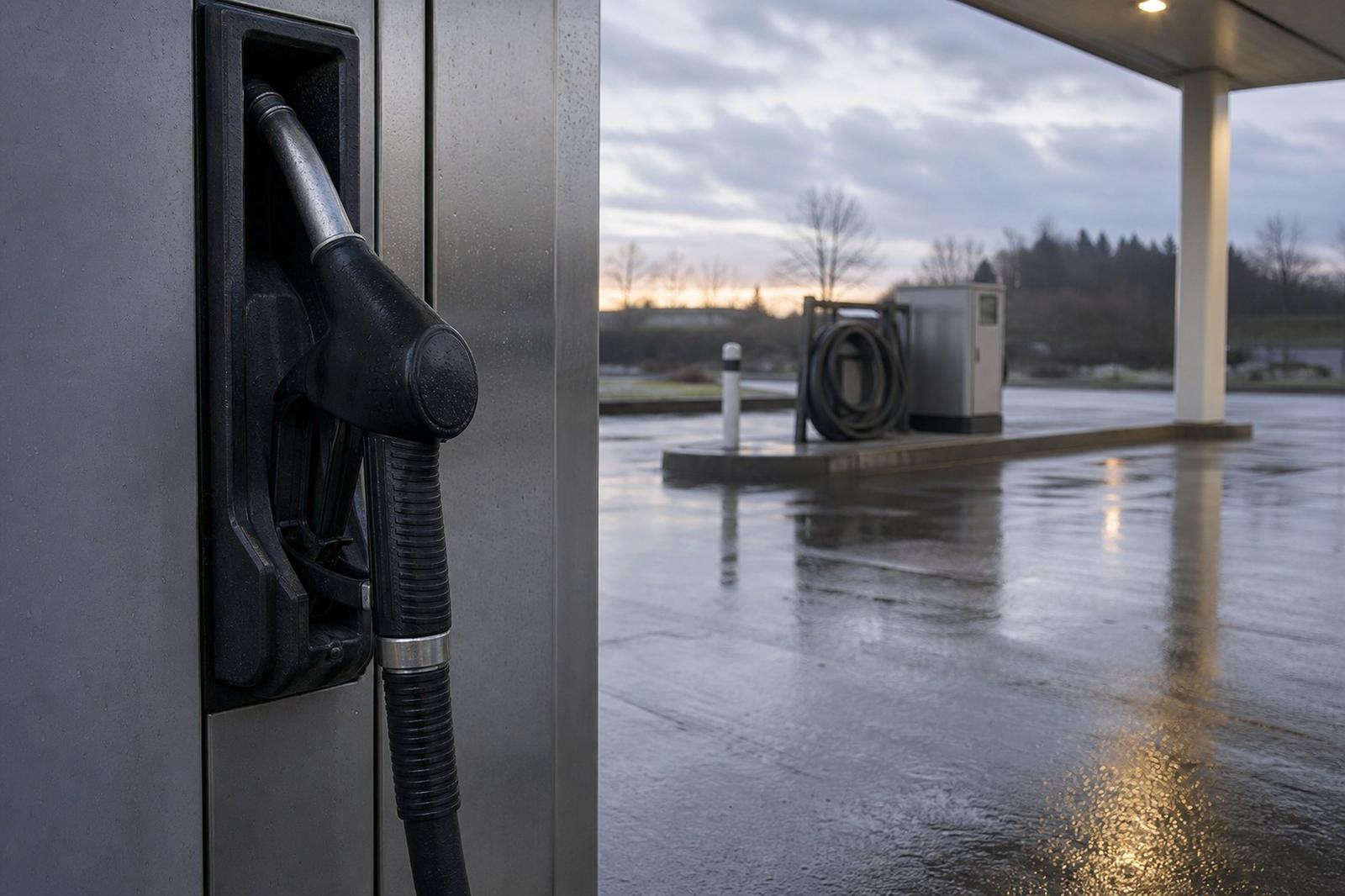
The Chamber of Deputies on Thursday approved a set of state subsidies designed to hold down the cost of driving, heating a home and running a business through the second half of 2026, endorsing the core of the tripartite accord that the government and social partners signed on 8 June.
The measures answer an energy shock that has run through the Luxembourg economy since February, when the disruption of shipping through the Strait of Hormuz pushed up the price of crude oil and the fuels derived from it. Rather than let the increase feed straight into pump prices, utility bills and company accounts, the coalition led by Prime Minister Luc Frieden opted for a temporary, targeted cushion.
What households will get
- Five cents a litre off petrol and diesel at the pump, from 1 July to 31 December.
- A subsidy of four cents per kilowatt-hour on electricity for households consuming less than 25,000 kWh a year, from 1 August to 31 December.
- Fifteen cents a litre off domestic heating oil, and the same relief on agricultural diesel, over the same period.
- Fifteen cents per cubic metre off natural gas for standard domestic connections, again to the end of the year.
Three bills carried the energy measures through the chamber: one establishing temporary aid for Luxembourg's transport firms, a second setting the gas rebate and a third covering heating oil and agricultural diesel, the last costed on its own at about €10.1 million.
Part of a wider package
The energy relief is the most immediate slice of the “Resilienzpak”, the resilience package the government values at €432.5 million across 2026 and 2027. Of the €180 million falling due this year, roughly €60 million pays for the energy measures; the balance funds a cyclical tax credit equivalent to one indexation tranche, targeted support for exposed companies and aid for farmers.
Heavier commitments arrive in 2027, when a net rise of about €200 for those on or near the minimum wage and an adjustment of the income-tax brackets together account for some €240 million. The package also doubles the ceiling on the super-reduced VAT refund for home construction to €100,000, lifts the age limit on home-savings deductions and raises grants for heat pumps and energy renovation — measures meant, in the government's telling, to make the country less exposed to the next price spike.
“An agreement that has managed not to set the interests of employees against those of business, in order to build lasting economic and ecological resilience,” Frieden said of the accord.
Finance Minister Gilles Roth insisted the state could afford it. “We have the financial room we need to finance these measures,” he told deputies — an assurance that sits awkwardly against the International Monetary Fund's warning, issued days earlier, that Luxembourg's public debt is drifting towards the 30%-of-GDP ceiling the coalition has set itself.
The opposition backs the aid, questions the delay
No party voted against relief that will reach almost every household, but the opposition used the debate to press two lines of attack: the strain on public finances and the timing. With prices climbing since the winter, several deputies asked why the subsidies take effect only in August. Two opposition motions were rejected.
For the LSAP, group leader Taina Bofferding argued that consultation should be a standing habit rather than a crisis reflex. “Social dialogue must not be a mere reaction to situations of conflict or crisis,” she said. On the left, Marc Baum of déi Lénk called the measures too thin for the lowest earners and light on structural reform.
A tax office going digital
In the same sitting, deputies voted unanimously for a separate, €226 million modernisation of the direct-tax administration's computer systems. The government wants 85% of tax returns filed electronically by 2028, up from 17% in 2025 — a change it presents as the administrative counterpart to the relief, freeing staff and speeding up the payments citizens are owed.
The subsidies now pass to implementation: fuel retailers, grid operators and suppliers will apply the rebates and be reimbursed by the state, with the first tripartite monitoring committee due to review the package by October.
Frequently asked
- Why is Luxembourg subsidising energy now?
- A disruption of shipping through the Strait of Hormuz from February 2026 drove up oil and fuel prices; the tripartite measures aim to shield households and firms through the end of the year.
- How much does the package cost?
- The government puts the Resilienzpak at €432.5 million over 2026 and 2027, with roughly €60 million of the 2026 total going to the energy measures.
- When do the subsidies start?
- The fuel rebate applies from 1 July; the electricity, gas and heating-oil subsidies run from 1 August to 31 December 2026.
Sources
Around Luxembourg
A look at recent reporting on luxembourg from the Étude newsroom.
Related by topic
Other Étude stories tagged with the same topics as this article.
More in Luxembourg




Trending at Étude
Wages and purchasing power Luxembourg's next wage-indexation tranche forecast for June 2026, pending official index data
Somalia Somalia Prepares First Offshore Oil Drilling After Decades of Delays
NATO Summit NATO opens Ankara summit hours after deadly Russian strike on Kyiv
Living in Luxembourg How to register with your commune when you move to Luxembourg (déclaration d'arrivée)