Immigration fraud
Luxembourg raids its immigration directorate in fraud case tied to 200 illegal residencies
Prosecutors say missing checks on communal population registers let paid-for fake addresses, forged diplomas and bogus job contracts open the door to residence permits — and to state benefits.
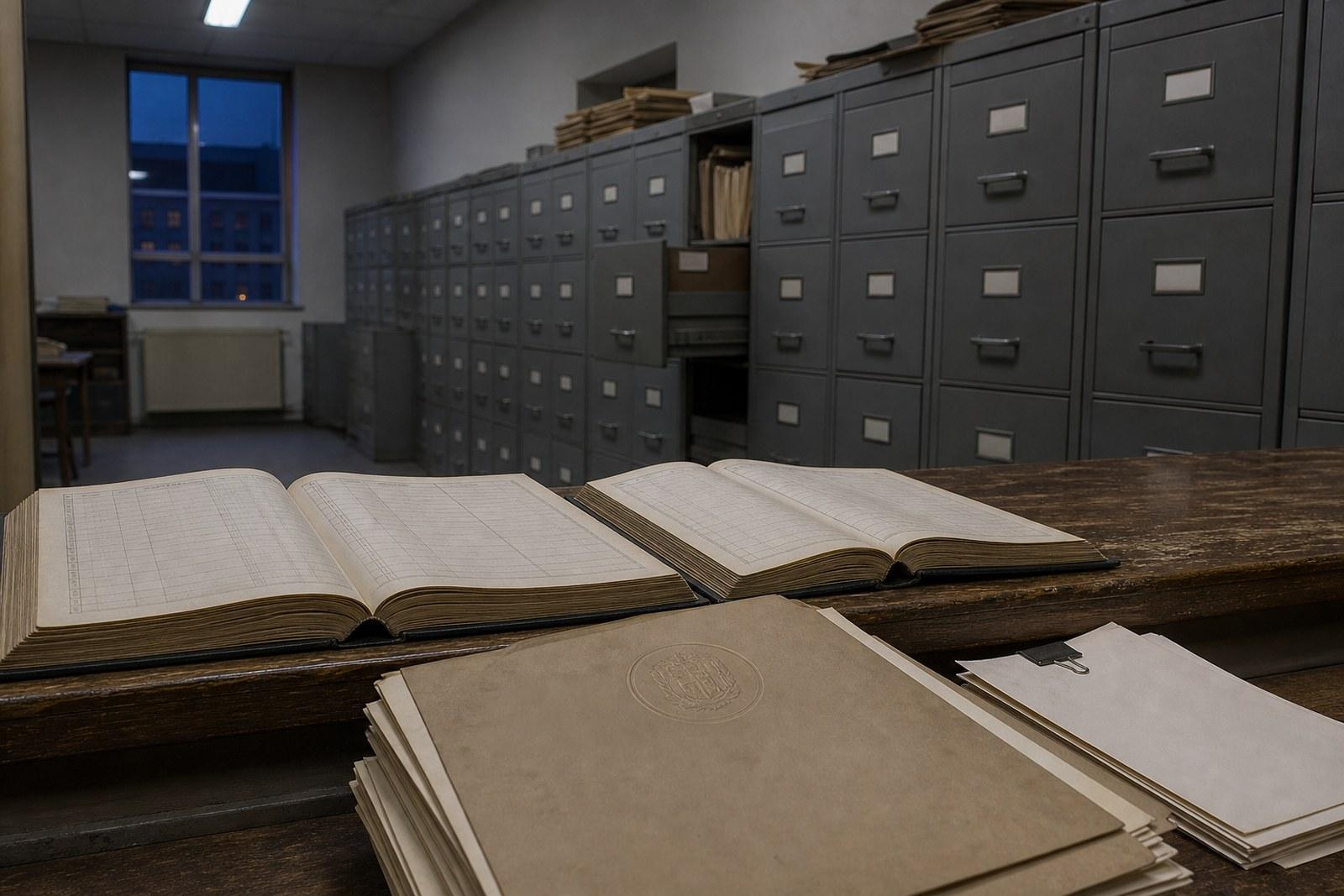
Investigators have returned to the heart of Luxembourg's immigration machinery. In a fresh wave of coordinated searches this week, the public prosecutor's office combed through the General Directorate of Immigration, the Ministry of Research and Higher Education and the premises of five companies and private individuals, deepening one of the country's largest inquiries into organised residency fraud.
It was the twelfth search of the immigration directorate and the fourth of the research ministry since the case was opened in the summer of 2023. In total, prosecutors have now executed 27 searches and charged 25 people, all of whom are presumed innocent.
A deceptively simple weak point
At the centre of the investigation lies an ordinary administrative document: the communal population register. Being recorded there as a resident is the first rung on Luxembourg's residence ladder, the anchor from which permits, recognitions and entitlements follow. According to investigators, more than 200 third-country nationals were entered into those registers on the basis of fictitious addresses — some sold, for cash, by intermediaries.
Those fraudulent registrations were then combined with forged employment contracts, fictitious diplomas and falsified language certificates to secure residence rights, prosecutors say. The same paperwork later unlocked payments from the state, allowing people to draw social benefits to which they had no claim.
A broad catalogue of charges
The judicial inquiry spans an unusually wide list of offences. Prosecutors are examining allegations of corruption, trafficking in influence, money laundering, forgery and the use of forged documents, subsidy fraud, migrant smuggling and breaches of immigration and free-movement law.
The presence of a government ministry and a central administrative body among the addresses searched gives the affair a political dimension that reaches well beyond the individuals charged. It raises an uncomfortable question for the state: not merely who cheated the system, but how the system let itself be cheated for so long.
Weak controls at the counter
The prosecutor's office pointed to "several significant administrative weaknesses, first and foremost the absence of controls — or of any possibility of controls — at the level of registration in the municipal registers."
Those gaps, prosecutors said, were then exploited by people who supplied fictitious Luxembourg addresses in exchange for payment. The register, designed to record where people live, became a document that could be bought.
Investigators also voiced frustration at the limits of their own tools. Under data-protection rules, they said, they lack a clear legal basis to pass the identities of suspected fraudsters to the social-security bodies that may still be paying them — an administrative silo that lets money keep flowing even as the criminal case advances.
What comes next
The searches are an investigative step, not a verdict. No one has been convicted, and those charged remain presumed innocent until a court rules otherwise. But the scale of the operation — dozens of searches over three years, a ministry and a directorate among the targets, and a charge sheet ranging from money laundering to migrant smuggling — points to an inquiry still widening rather than winding down.
Beyond the courtroom, the case sharpens a policy debate that has simmered for years: whether Luxembourg's decentralised registration system, run through its communes, is robust enough to underpin the residence permits and benefits that flow from it. The prosecutor's blunt verdict on "administrative weaknesses" is likely to keep that question firmly on the political agenda.
Frequently asked
- What is the alleged fraud?
- Investigators say more than 200 third-country nationals were registered at fictitious Luxembourg addresses and then used forged job contracts, fake diplomas and falsified language certificates to obtain residence rights and, in some cases, state social benefits they were not entitled to.
- Why were government offices searched?
- The Immigration Directorate handles residence permits and the Ministry of Research and Higher Education recognises diplomas — both central to how the alleged scheme worked. Prosecutors are examining administrative weaknesses as well as the roles of individuals, and no finding of institutional wrongdoing has been made.
- How many people have been charged?
- Twenty-five people have been charged since the investigation opened in the summer of 2023. All are presumed innocent unless and until a court decides otherwise.
Sources
Around Luxembourg
A look at recent reporting on luxembourg from the Étude newsroom.
More in Luxembourg




Trending at Étude
Wages and purchasing power Luxembourg's next wage-indexation tranche forecast for June 2026, pending official index data
Pay and employment Luxembourg minimum wage in 2026: current amounts and the next indexation forecast
Living in Luxembourg Pharmacies in Luxembourg: opening hours, the pharmacie de garde and how to get medicines after dark
Somalia Somalia Prepares First Offshore Oil Drilling After Decades of Delays