Syria’s reckoning
Syrian court sentences Bashar al-Assad to death in absentia
The first Syrian conviction of the ousted president carries immense symbolic weight, but his refuge in Russia leaves enforcement—and the credibility of the wider justice process—unresolved.
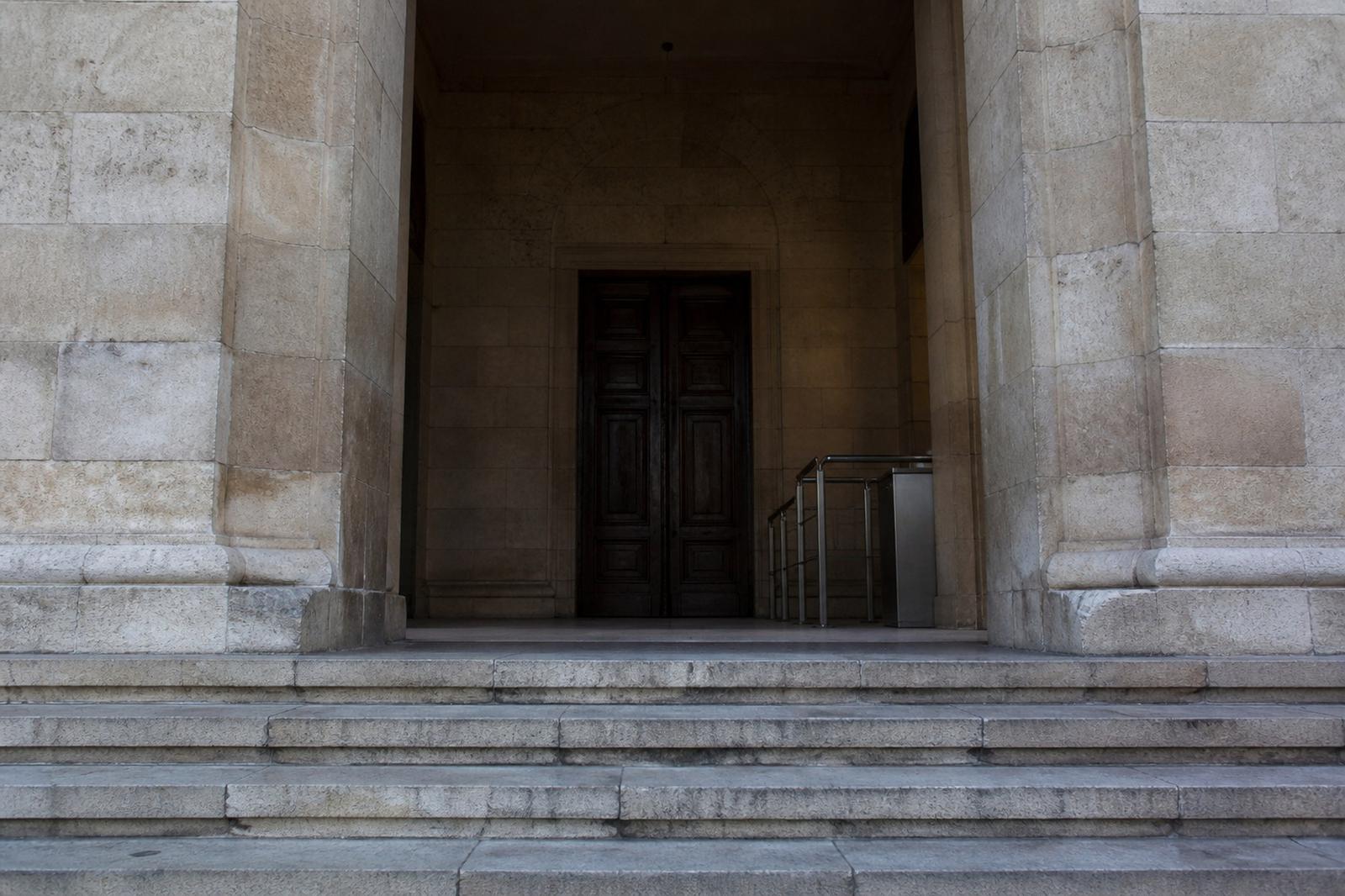
A court in Damascus sentenced Syria’s former president Bashar al-Assad to death in absentia on Tuesday, delivering the first judgment against him since his government collapsed in December 2024. His younger brother Maher al-Assad and his cousin Atef Najib, a former security chief whose conduct in Daraa became inseparable from the origins of the Syrian uprising, also received death sentences.
The Fourth Criminal Court convicted the Assad brothers of war crimes and crimes against humanity committed during a conflict that lasted 14 years and killed about half a million people. Bashar and Maher al-Assad were not in the courtroom. They fled to Russia after rebel forces took Damascus, ending more than five decades of Assad-family rule, and were granted political asylum there.
Najib, by contrast, heard the judgment from a defendants’ cage. The former army brigadier headed the Political Security Branch in Daraa in 2011, when more than a dozen teenagers were arrested and tortured after writing anti-government graffiti on a school wall. The episode helped ignite demonstrations that the state met with lethal repression, turning a local protest movement into a nationwide uprising and, eventually, civil war.
“Bashar Assad used state agencies to commit war crimes and crimes against humanity,” presiding judge Fakhareddine al-Aryan told the court.
A verdict with no prisoner
The judgment is both consequential and sharply limited. It formally places responsibility for crimes of the former state apparatus at the top of the old political order. Yet the court has no custody over either Assad brother, and Syria’s request for Russia to surrender them has produced no extradition. As long as Moscow continues to shelter them, the sentence cannot be enforced.
That distinction matters. A death sentence may sound definitive, but an in-absentia judgment is not the same as a completed process against a defendant who has appeared, challenged the evidence and exhausted appeal rights. Najib can appeal his conviction. The absent defendants would also raise substantial procedural questions if they were ever returned to Syria.
The ruling nevertheless has significance for victims who spent years watching senior officials remain untouchable. Families gathered outside the courthouse, while people detained as teenagers in Daraa attended the proceedings. For them, the court’s recognition of the state’s role is a public reversal of an era in which the security services controlled detention, information and the terms on which loss could be acknowledged.
The test is larger than Assad
Syria’s transitional authorities have presented prosecutions of former officials as evidence that impunity is ending. Trials began earlier this year, and Najib is among the most senior Assad-era figures to have appeared in person. His case links the courtroom directly to the events of March 2011, when the abuse of children in Daraa became a rallying point for protests across the country.
But transitional justice cannot be measured by the severity of one punishment. Human Rights Watch’s Syria researcher Hiba Zayadin said the organisation opposes capital punishment in every case and warned that Najib’s appeal must meet fair-trial standards. Rights specialists have also argued that accountability should address the full range of abuses committed during the war, rather than become a selective instrument against the defeated government alone.
The credibility of the process will therefore depend on transparent evidence, independent judges, meaningful participation by victims and equal scrutiny of crimes regardless of the perpetrator. Syria still faces the enormous task of accounting for detainees and people who disappeared, preserving official records and identifying remains. A spectacular sentence cannot substitute for that slower institutional work.
Russia holds the practical power
The verdict also exposes the geopolitical boundary of Syrian justice. Russia intervened militarily to preserve Assad’s government during the war and gave him refuge when it fell. Damascus can issue warrants and judgments, but Moscow determines whether the former president will ever stand before a Syrian court.
That makes the sentence a test not only of law but of the new Syrian state’s foreign relationships. Any future negotiation over extradition would touch Russia’s strategic interests in Syria and the authorities’ effort to rebuild relations without abandoning demands for accountability. There is no public indication that Moscow is preparing to hand over either brother.
For now, the judgment records an extraordinary change in power: the ruler whose security system once condemned opponents in their absence has himself been convicted by a court in the capital he lost. Whether that reversal becomes durable justice will be decided not by the sentence alone, but by the fairness and reach of the cases that follow.
Frequently asked
- Can Syria enforce the death sentence against Bashar al-Assad?
- Not while he remains in Russia. Syria has requested his surrender, but there is no public indication that Moscow will extradite him.
- Why is Atef Najib central to the case?
- Najib led political security in Daraa when teenagers were arrested and tortured over anti-government graffiti in 2011, an episode that helped trigger the uprising.
- Why is the verdict controversial despite Assad-era atrocities?
- Rights advocates stress that accountability must include fair trials and oppose capital punishment, while warning against justice that examines only one side’s crimes.
Sources
Around World
A look at recent reporting on world from the Étude newsroom.
Related by topic
Other Étude stories tagged with the same topics as this article.
More in World


Trending at Étude
Banking Luxembourg bank interest rates in 2026: savings and mortgage figures published by Spuerkeess, BGL, Raiffeisen and BIL
Languages Luxembourg's three official languages — Luxembourgish, French and German — and where each is used
Startup Guide How to Start and Fund a Startup in Luxembourg: A 2026 Founder's Guide
Family & Work Maternity, Paternity and Parental Leave in Luxembourg: A Guide to the Three Statutory Leaves