EU trade policy
EU tightens steel import rules, cutting tariff-free imports by almost half; ArcelorMittal based in Luxembourg
Parliament's final vote on a tougher import regime is a win for ArcelorMittal, one of the world's largest steelmakers, which keeps its headquarters in Luxembourg City.

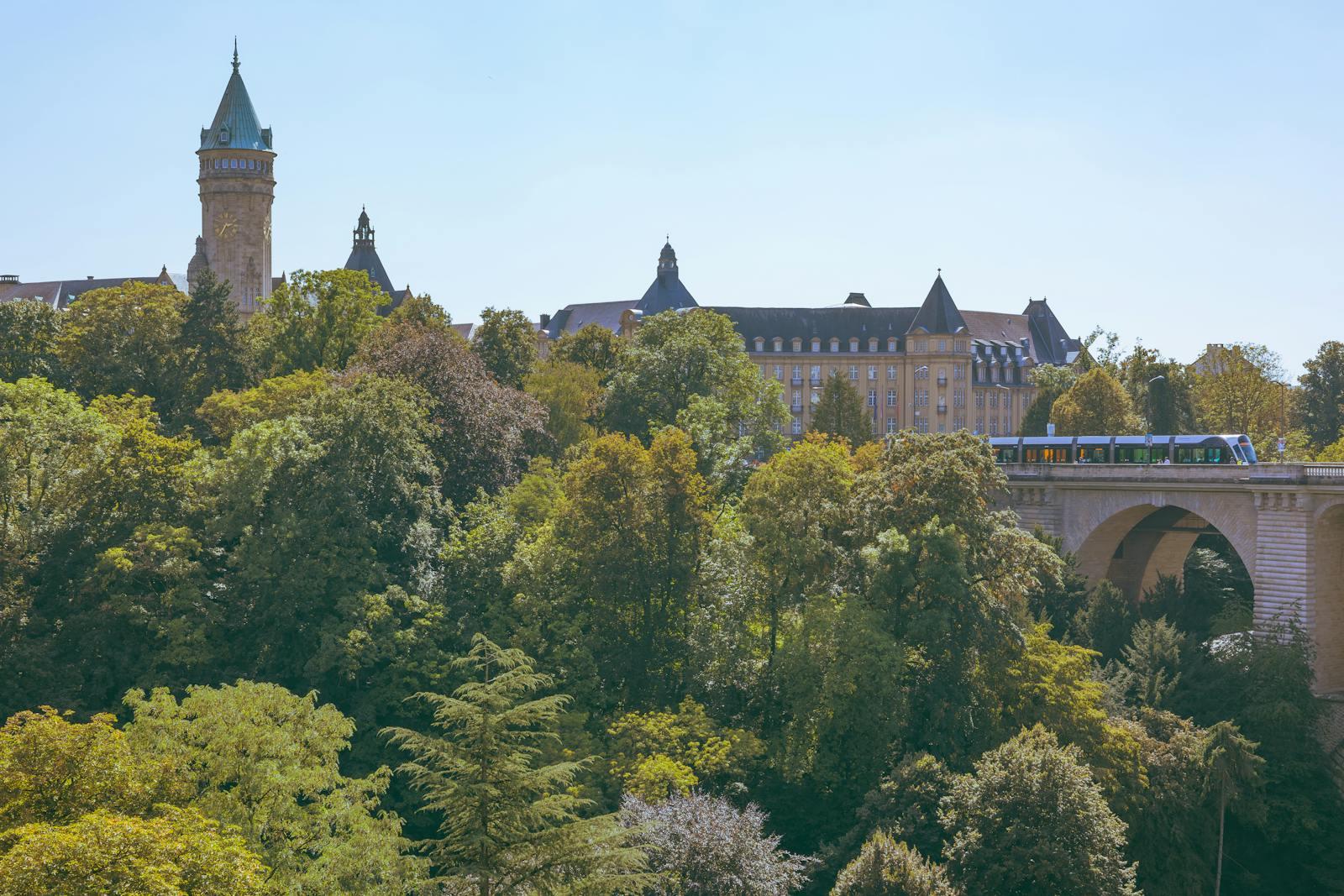
For most of the European Union, the vote that passed through the Strasbourg hemicycle on 19 May was a piece of trade policy. For Luxembourg, it was something closer to family business. By 606 votes to 16, with 39 abstentions, the European Parliament gave its final approval to a new safeguard regime for steel — and the company with the most to gain keeps its headquarters a short tram ride from the Grand Duchy's government district.
That company is ArcelorMittal, registered in Luxembourg City and, by most measures, one of the largest steelmakers on earth. The regulation Parliament has just waved through is designed precisely to protect producers like it from a worldwide flood of cheap metal.
What Parliament approved
The new measure replaces the EU's existing steel "safeguard", a temporary shield that expires on 30 June. From 1 July — assuming the Council gives its formal sign-off in the coming weeks — a tighter tariff-rate-quota system takes its place. The headline numbers are blunt:
- Duty-free steel imports are capped at 18.3 million tonnes a year, roughly 47% below the quotas in force in 2024.
- Anything above that ceiling — and any product category not covered by it — faces a customs duty of 50%, double the current 25%.
- A "melt-and-pour" rule tightens proof of origin, so importers can no longer disguise where steel was actually made, and the exemption that had spared Russian steel slabs will not be renewed.
The file was steered through Parliament by Karin Karlsbro, a Swedish liberal from the Renew Europe group, who framed the regulation as a defence of open trade rather than a retreat from it.
"Europe needs a strong and competitive steel industry built on trade, innovation and fair competition. Combatting the negative trade effects of global overcapacity is essential, and I welcome that the three institutions have jointly committed to not extend the exemption for Russian steel slabs," Karlsbro said.
The European Commission, which proposed the regime and negotiated the final text with national governments, has cast it in strategic terms. "The shape and global standing of Europe's steel sector are fundamental to our strategic autonomy and industrial strength," said Maroš Šefčovič, the commissioner for trade and economic security.
Why the news lands in Luxembourg
Steel is not an abstraction in the Grand Duchy; it is the industry the modern country was built on. The red iron-ore seams of the south turned a rural territory into one of Europe's foundries, and the firm that grew out of those mines — ARBED — became, through a chain of mergers, the Arcelor of 2002 and then, after Mittal Steel's 2006 takeover, today's ArcelorMittal. The group's registered seat never left Luxembourg City.
It is also still a working steelmaker here. More than 2,100 people are employed at the company's Luxembourg long-products cluster — the electric steelworks and rolling mills at Belval and Differdange, and the rail-and-section line known as Train A at Rodange. Those plants melt scrap in electric-arc furnaces rather than smelting ore in blast furnaces, which makes their steel both lower-carbon and, under the EU's new rulebook, well placed.
That is because the safeguard arrives alongside the Carbon Border Adjustment Mechanism, the EU's levy on the carbon embedded in imports. ArcelorMittal told investors on 30 April, reporting a first-quarter net profit of 575 million dollars, that CBAM "together with the recently agreed tariff rate quota (TRQ) trade tool … structurally resets the outlook for the European steel industry." Its core earnings already showed it: EBITDA reached 131 dollars a tonne, up 15 dollars from a year earlier.
A global glut, pushed toward Europe
The problem the regulation addresses was not made in Europe. The world produces far more steel than it consumes, much of the surplus in China, and that overhang has been worsened by tariffs elsewhere — above all in the United States — which divert metal that can no longer enter one market toward the ones still open. The EU, with comparatively low external barriers, had become a destination of choice.
Brussels frames the new quotas as a way to keep that diverted steel from hollowing out an industry that still employs hundreds of thousands of Europeans, while staying within World Trade Organization rules. The European steel association, EUROFER, welcomed Parliament's vote as a major step toward defending the sector.
What happens next
The regulation is not quite law. It needs formal adoption by the Council of the EU — the final, normally procedural, step — before it can enter into force on 1 July, seamlessly replacing the expiring safeguard. Two questions will shape its real-world effect: whether trading partners challenge the measure at the World Trade Organization, and whether the higher wall around the European market lifts prices for the carmakers, builders and appliance firms that buy steel downstream.
For Luxembourg, a place that turned iron ore into a financial centre and never quite let go of the furnaces, the calculation is simpler. A rule written in Brussels and voted in Strasbourg will be felt, first of all, at home.
Frequently asked
- What did the European Parliament vote on 19 May 2026?
- It gave final approval to a new EU steel safeguard regulation that cuts tariff-free import quotas and raises duties on steel imported above the quota.
- How high is the new tariff?
- Imports above the 18.3-million-tonne annual quota face a 50% customs duty, double the current 25%.
- Why does it matter for Luxembourg?
- ArcelorMittal — one of the world's largest steelmakers and a major Luxembourg employer — is headquartered in Luxembourg City and is among the measure's clearest beneficiaries.
- Is the regulation already in force?
- No. It still needs formal adoption by the Council of the EU and is set to apply from 1 July 2026.
Sources
Around Europe
A look at recent reporting on europe from the Étude newsroom.
Related by topic
Other Étude stories tagged with the same topics as this article.
More in Europe


Trending at Étude
Money & Work Unemployment benefits in Luxembourg: who qualifies and how much is paid
Wages and purchasing power Luxembourg's next wage-indexation tranche forecast for June 2026, pending official index data
Somalia Somalia Prepares First Offshore Oil Drilling After Decades of Delays
NATO Summit NATO opens Ankara summit hours after deadly Russian strike on Kyiv