Migration diplomacy
The EU Opens a Door to the Taliban — Then Argues About What Walked Through It
A five-man delegation arrives in Brussels for the first EU-hosted talks since 2021, as the Commission chases deportation deals and rights groups warn against sending Afghans back to danger.
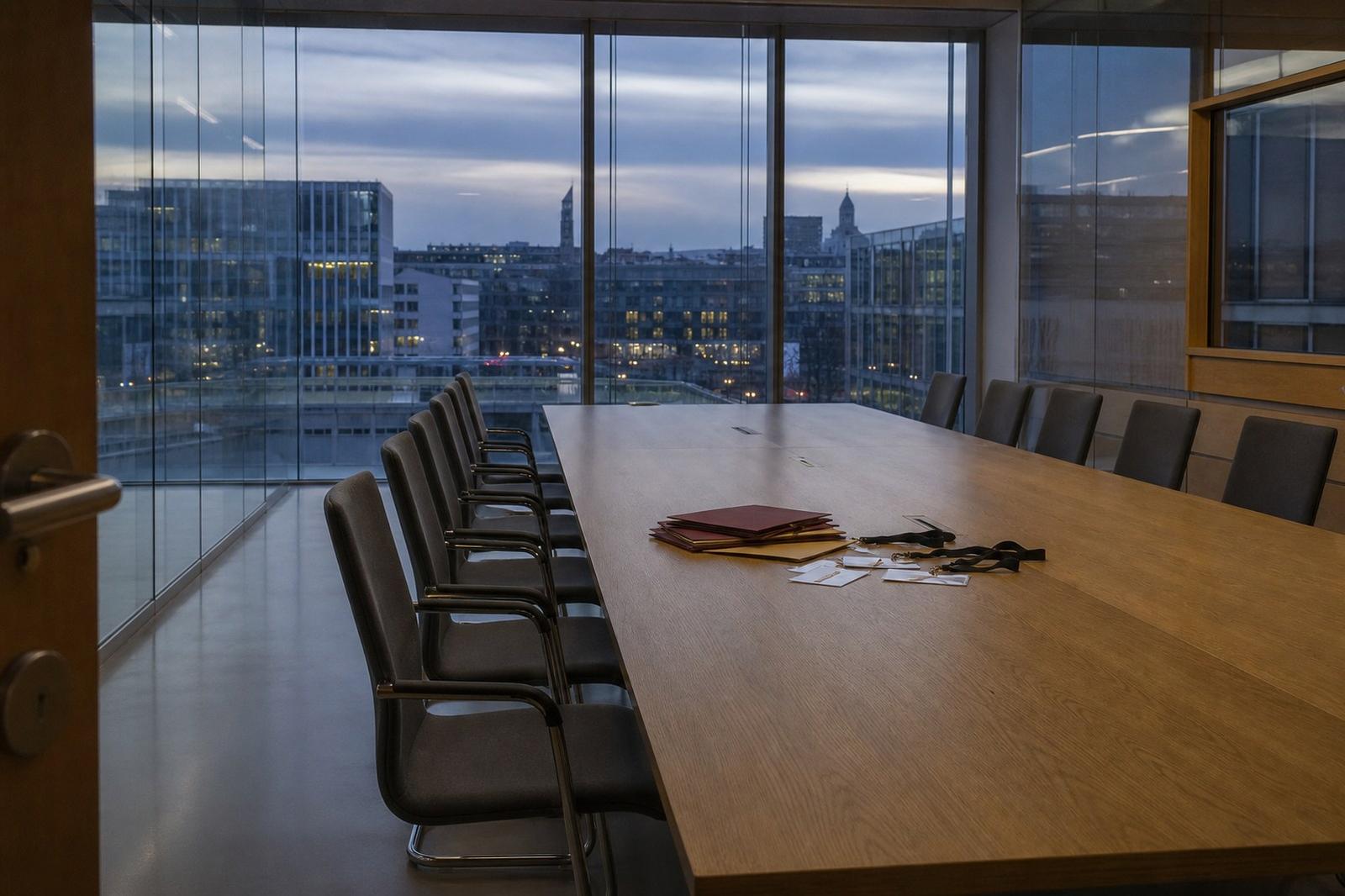
For nearly five years the European Union kept the Taliban at arm's length. On Tuesday it held a door open for them.
A delegation of five Taliban officials travelled to Brussels for closed-door talks with European Commission staff — the first time the bloc has hosted representatives of the movement since it seized power in Kabul in August 2021. The agenda was unsentimental: how to return Afghans whose asylum claims have been refused to the country the Taliban now governs.
The Commission was at pains to frame the encounter as plumbing rather than politics. The talks, it said, were held “at a technical level” and did “not amount to formal recognition of the Taliban government.” Yet the symbolism was hard to contain. An administration that no European capital recognises sat down inside the EU's own institutions to negotiate the fate of its citizens.
A meeting Brussels asked for
This was not a visit the Taliban engineered. The European Commission requested it, having announced in May its intention to invite Afghan officials to discuss “the return of migrants to Afghanistan.” Around twenty of the EU's twenty-seven member states have signalled interest in arranging such returns, as governments across the continent confront voters impatient with stalled deportations and the rise of anti-migration parties.
A Commission spokesman, Markus Lammert, set out the priority in narrow terms.
“Member States are looking into ways to return persons who have committed serious crimes and who are possibly a security threat.”
That careful phrasing — criminals and security risks first — reflects the political tightrope. Between 2013 and 2024, Afghans lodged roughly one million asylum applications in the EU, one of the largest single nationalities. Many were granted protection precisely because Afghanistan was deemed unsafe. Reversing that logic now requires a counterpart in Kabul willing to take people back, and the Taliban are the only counterpart there is.
Five visas, one day, one country
The mechanics betrayed the discomfort. Belgium issued the five delegates their visas only on Monday, after a security assessment concluded the individuals posed no threat. The documents were valid for a single day and for Belgian territory alone — not the wider Schengen area. Belgian officials declined even to confirm the meeting's exact time, citing security.
It was, in other words, an entry engineered to be as small as possible: no Schengen, no overnight stay, no formal welcome. The EU wanted the conversation without the photograph.
“Deporting people to danger”
Human rights organisations were unconvinced by the technical framing. Both Human Rights Watch and Amnesty International urged the Commission to abandon the meeting, arguing that any contact with the Taliban should centre on accountability for their rule rather than on the logistics of sending people back.
“It is unconscionable that the EU would now try and deport people to Afghanistan, which has only become more dangerous.”
The words were Eve Geddie's, of Amnesty International. Fereshta Abbasi of Human Rights Watch made the same point from another angle: any engagement with the Taliban, she said, “needs to prioritise protecting human rights and accountability — not deporting people to danger there.”
Their case rests on the country the returnees would face. More than seventeen million Afghans — roughly a third of the population — are food insecure. Women and girls have been progressively erased from public life, barred from secondary schools, most employment and, increasingly, from travelling without a male guardian. Returning anyone to such conditions, criminal record or not, risks breaching the EU's own obligation not to send people back to danger.
What Brussels is really testing
For the Commission, Tuesday's talks are a test of whether engagement can be quarantined — kept technical, kept about returns, kept short of the recognition the Taliban crave. The movement's foreign ministry, whose spokesman Abdul Qahar Balkhi has long pressed for international legitimacy, has every incentive to present the Brussels visit as a breakthrough, whatever label the EU attaches.
That is the gamble. Each practical deal — a returns arrangement here, a technical channel there — chips at the wall of non-recognition, whatever the disclaimers. Europe is discovering, as others have before it, that there may be no way to deport people to a regime without, in some measure, dealing with it.
Frequently asked
- Does the meeting mean the EU recognises the Taliban?
- No. The Commission says the talks were held at a technical level and do not amount to formal recognition of the Taliban government.
- What did the EU want to discuss?
- The return of Afghan nationals whose asylum claims have been rejected, with priority on those who have committed serious crimes or pose a security threat.
- Why do rights groups object?
- They argue Afghanistan has only grown more dangerous — with mass food insecurity and severe repression of women — and that deportations could breach the EU's duty not to return people to harm.
Sources
Around Europe
A look at recent reporting on europe from the Étude newsroom.
Related by topic
Other Étude stories tagged with the same topics as this article.
More in Europe


Trending at Étude
Financial regulation Luxembourg regulator will let Israeli bond prospectus expire on 31 August
Startup Guide How to Start and Fund a Startup in Luxembourg: A 2026 Founder's Guide
Culture Luxembourg's cuisine: the national dish and traditional classics
Languages Luxembourg's three official languages — Luxembourgish, French and German — and where each is used