Energy
Hormuz reopens, and Luxembourg's pumps feel the relief
An interim US–Iran accord lifts the blockade on the world's busiest oil chokepoint. For a country that imports every drop, the unwinding shows up first at the filling station.
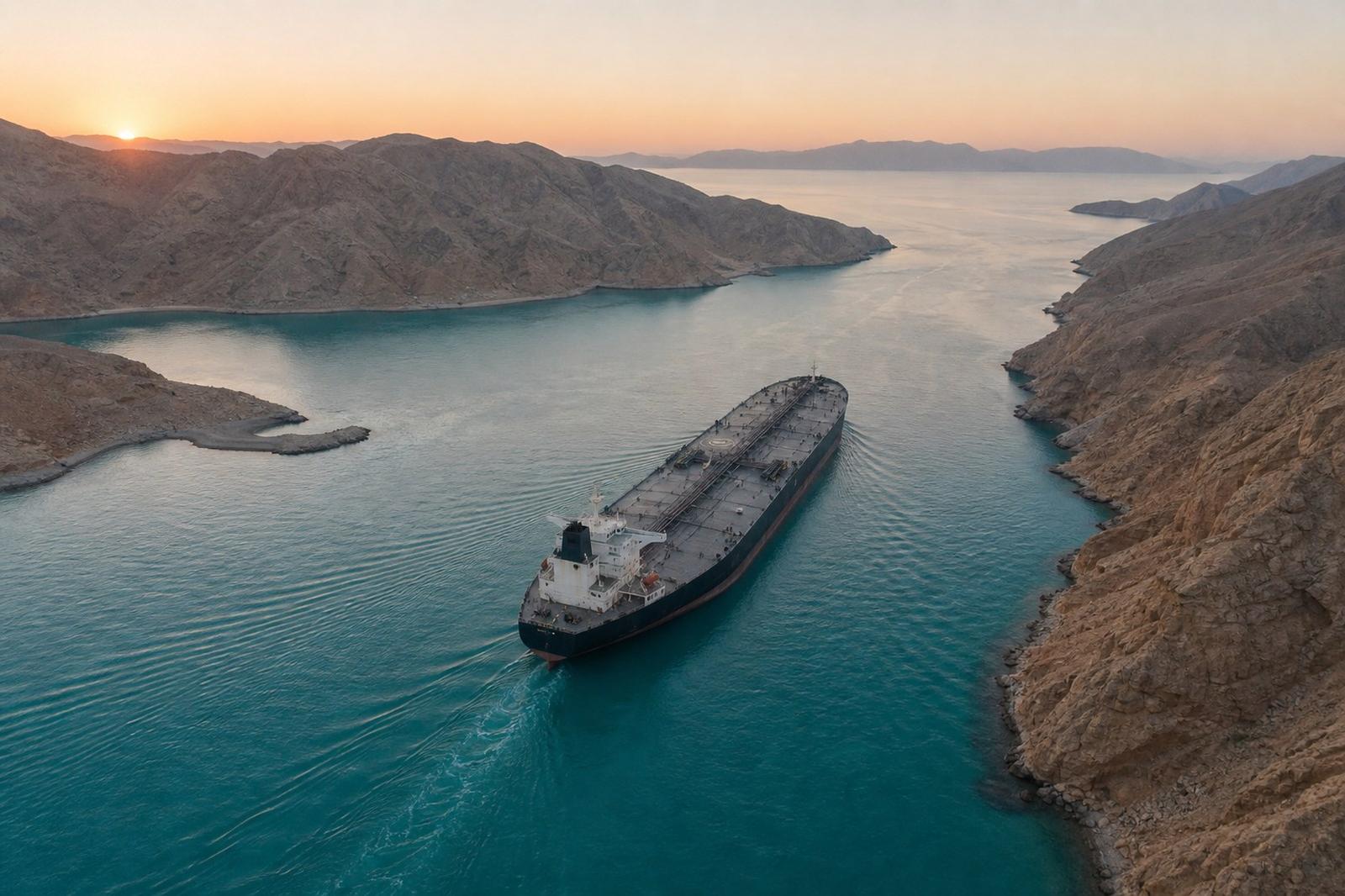
The blockade on the world's most important stretch of water is being lifted, and the first place many people in Luxembourg will notice it is the illuminated price board beside the motorway. On Wednesday the United States and Iran signed a fourteen-point memorandum of understanding meant to end their war. One clause mattered more than the rest to the global economy: the Strait of Hormuz, through which roughly a tenth of the world's seaborne oil moves, would reopen, and the American naval blockade of Iranian ports would be lifted. The accord took effect immediately.
For a country with no oil of its own, no refinery and no coastline, a strait two and a half thousand kilometres away is not an abstraction. It is the difference between filling a tank for forty euros and filling it for fifty.
What the two sides agreed
Under the memorandum, Washington committed to lifting its naval blockade and granting immediate sanctions waivers for Iran's fossil-fuel sector; Tehran, in the version released by the United States, agreed to reopen Hormuz and to keep negotiating. The text opens a sixty-day window for the harder questions — Iran's nuclear programme, its regional proxies and the long-term management of the strait itself. Delegations were due to convene on Friday at the Bürgenstock resort above Lake Lucerne. Neither government has published the full agreement, and Iran has not confirmed the American account of its terms.
“This is not just a ceremonial signing ceremony because the documents have already been signed. It is the official kickoff of the 59 days remaining now for these sides to come to a conclusion,” said James Bays, diplomatic editor at Al Jazeera.
That distinction — signed, but not yet settled — is the whole story for anyone watching prices.
The market exhaled
Crude fell hard on the news. Brent slipped back toward $80 a barrel on 18 June, its lowest level since early March, having climbed above $100 during the war and touched roughly $117 at the height of the blockade scare. Yet the relief is hedged. Futures for delivery in early 2027 remained close to $80, a sign that traders doubt supply will snap back to pre-war levels quickly. A strait declared open is not the same as a strait running normally: insurance premiums, re-routed tankers and cautious shipping lines all take weeks to unwind.
Where Luxembourg feels it
Luxembourg imports essentially all of its energy, and the maximum prices charged at the pump are fixed by the Ministry of the Economy, moving in step with international product prices and the euro–dollar rate. The pass-through is quick. Euro 95 sat around €1.70 a litre and diesel around €1.73 at the start of June, after climbing past €1.85 in May as the war drove crude higher; prices had already fallen about six percent in the first days of June as a deal came into view.
The consequences fan out well beyond drivers:
- Households that heat with oil — still a sizeable share of the older housing stock — see the same swing in their next delivery.
- Cross-border commuters, who tank up in the Grand Duchy precisely because it is cheaper, gain the most per fill.
- The state, which draws a meaningful slice of its excise revenue from road-fuel sales to those same drivers, sees both volumes and receipts move with the world price.
That last point is the quiet paradox of Luxembourg's fuel economy: lower prices are good news for residents and yet they trim a revenue line the Treasury has long relied on. A falling barrel is rarely an unmixed blessing here.
Relief, with an asterisk
The bigger caveat is political. The memorandum buys sixty days, not peace. If the Swiss talks stall, if Iran's reading of the text diverges from Washington's, or if the blockade is reimposed, the barrel — and the board by the motorway — will move again, just as fast and in the other direction. Luxembourg's exposure is structural: a small, open, import-dependent economy feels distant shocks early and sharply, in both directions.
For now, the arrow points down. Drivers heading into the National Day weekend will pay a little less than they did a month ago, courtesy of a deal signed beside a Swiss lake about a waterway in the Gulf. It is a useful reminder of how short the distance really is between a Middle Eastern chokepoint and a Luxembourg forecourt.
Frequently asked
- Why does a deal about the Strait of Hormuz affect prices in Luxembourg?
- Luxembourg imports essentially all its energy, so when the strait's reopening pushes global crude lower, the maximum pump prices set by the Ministry of the Economy fall almost in step.
- Will fuel keep getting cheaper?
- Not necessarily. The memorandum only secures a 60-day negotiating window, and futures for early 2027 remain near $80, so prices could reverse if the Swiss talks fail.
- Who benefits most from the lower prices?
- Cross-border commuters who tank up in the Grand Duchy gain the most per fill, while oil-heated households see relief on their next delivery — though the state collects less excise as world prices fall.
Sources
Around Finance
A look at recent reporting on finance from the Étude newsroom.
Related by topic
Other Étude stories tagged with the same topics as this article.
More in Finance



Trending at Étude
Luxembourg taxes Luxembourg's income-tax classes (1, 1a, 2) explained: who falls into each
Homeownership explained How to buy a property in Luxembourg: the process, costs and notary
Connectivity Mobile and internet providers in Luxembourg compared
Personal finance How the Luxembourg state pension works: retirement age, contributions and how it's calculated