European history
Robert Schuman, the 'Father of Europe,' was born in Luxembourg
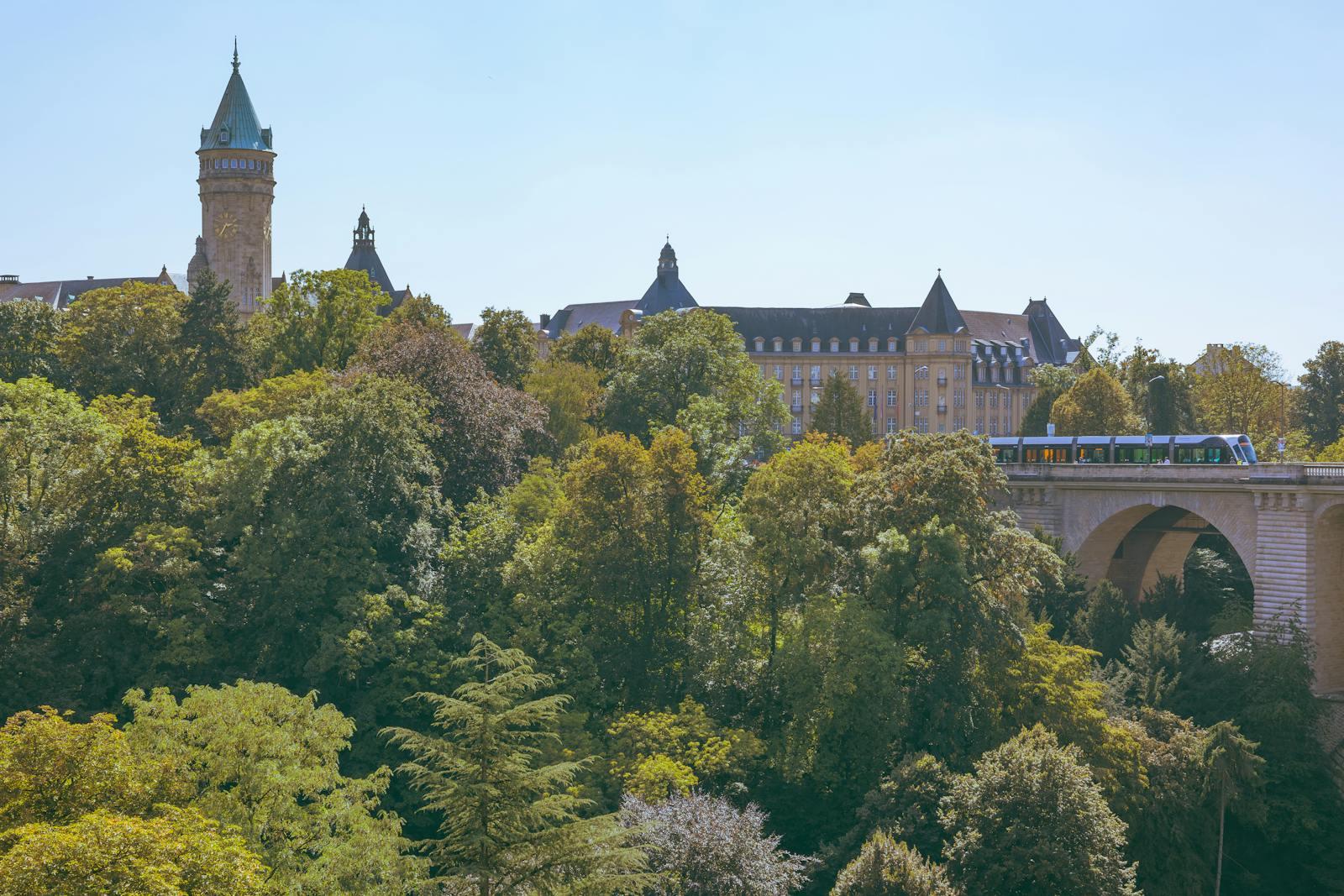
Born in a quarter of Luxembourg City to a Luxembourgish mother, the statesman behind the 9 May 1950 declaration that launched European integration began life as a German citizen.

Every 9 May, the European Union marks Europe Day. The date belongs to a man born on a hillside quarter of Luxembourg City: Robert Schuman, the statesman whose 1950 declaration set post-war Europe on the road to union.
A child of the borderlands
Schuman was born on 29 June 1886 in Clausen, a district of Luxembourg City, to a Luxembourgish mother and a father from Lorraine. Because Lorraine had been annexed by the German Empire in 1871, his father was a German citizen — and so, at birth, was Robert. He grew up and was educated in the German system, and became French only in 1918, when Alsace-Lorraine returned to France after the First World War. The man celebrated as the Father of Europe thus embodied the very borderland he later sought to pacify.
The declaration that made a union
As France's foreign minister, Schuman delivered the Schuman Declaration on 9 May 1950, proposing to place French and German coal and steel production under a common authority — to make war between the two old enemies, in his words, "not merely unthinkable, but materially impossible." It led to the European Coal and Steel Community in 1951, the seed from which today's European Union grew. He had earlier been prime minister of France; arrested by the Gestapo in 1940, he escaped and joined the Resistance.
An honoured legacy
The European Parliamentary Assembly, which Schuman led from 1958 to 1960, acclaimed him the "Father of Europe." A devout, ascetic Catholic who never married, he was declared "Venerable" by Pope Francis in 2021, a step on the path to possible sainthood. His house at Scy-Chazelles, near Metz, is now a museum on a square renamed Place de l'Europe.
Around Culture
A look at recent reporting on culture from the Étude newsroom.
More in Culture


Kyiv Holds the Line, and the West's Economic Weapons Start to Bite

How to buy a property in Luxembourg: the process, costs and notary
Trending at Étude
Somalia Somalia Prepares First Offshore Oil Drilling After Decades of Delays
Cross-border rail CFL to halt all trains between Luxembourg and Thionville for five weeks this summer
Pay and employment Luxembourg minimum wage in 2026: current amounts and the next indexation forecast
Demography Japan Records a 10th Consecutive Record-Low Birth Year as South Korea's Fertility Rate Rises