Economy
Commission projects Luxembourg GDP growth of 1.9% in 2026 and 2.0% in 2027, calling recovery conditional
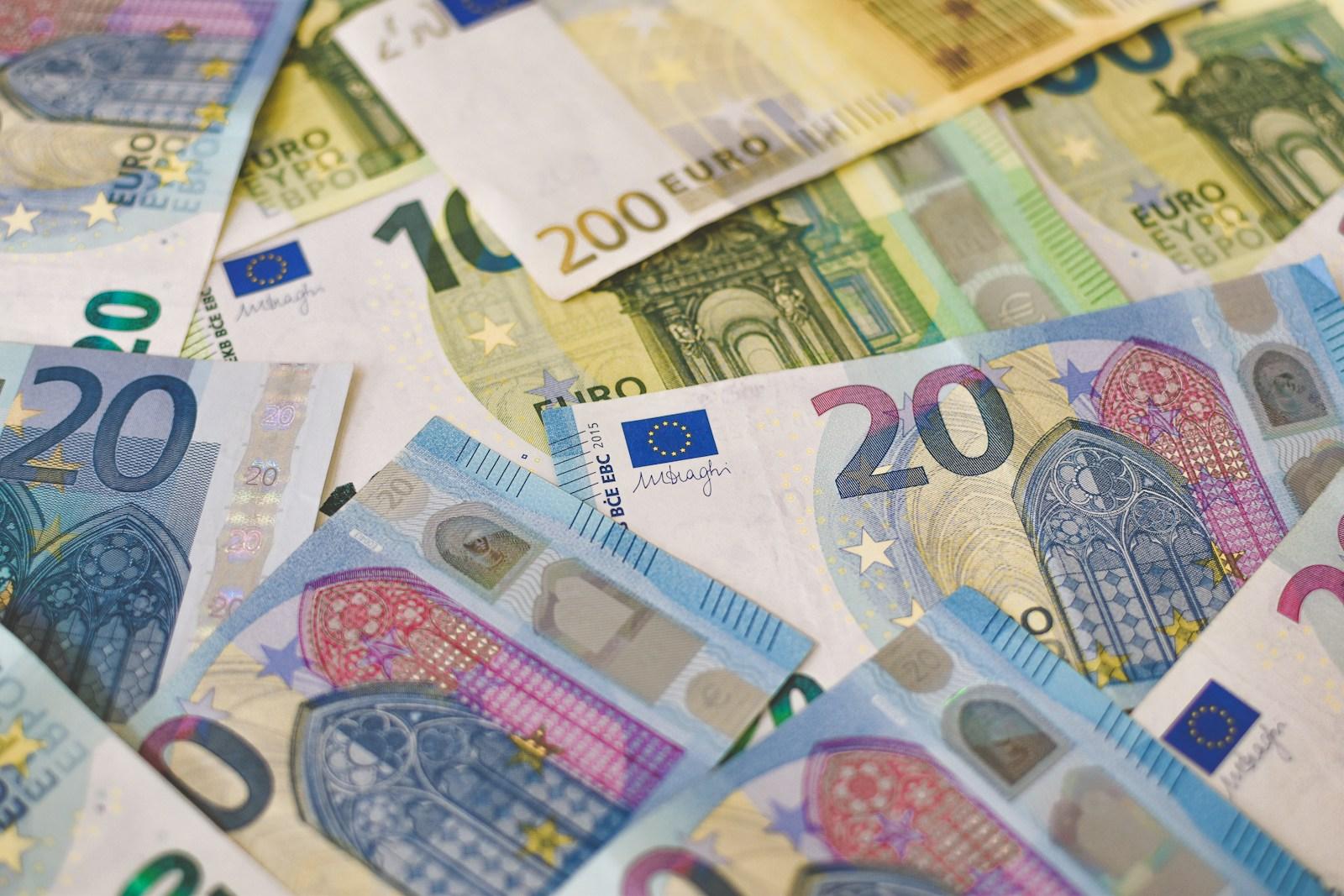
The European Commission's spring 2026 forecast for Luxembourg projects real GDP growth of 1.9% in 2026 and 2.0% in 2027, recovering from 0.8% in 2025. The IMF and OECD are within a similar range. After a multi-year stretch of below-trend performance, Luxembourg's economy looks set to strengthen — but the recovery is dependent on external conditions and faces meaningful downside risks.
What is driving the projected recovery
Three things converge. First, financial-sector activity. Lower ECB policy rates resumed in late 2025 and are bolstering capital-markets activity, fund flows and bank lending — Luxembourg's specialisation amplifies the macro tailwind. Second, private consumption: wage indexation, expected to trigger again in Q2 2026, and receding inflation (forecast at 1.7% for the year) bolster households' real disposable income. Third, business investment, which softened through 2024-2025 and now responds to easier financing conditions.
The structural weakness behind the cyclical pickup
The Delano-flagged report "Dissonances" describes Luxembourg as having moved from average growth of 4.4% (1995-2008) to 2.4% (2010s) to around 1% (since 2019). The 2026-2027 numbers are an improvement on the recent past, not a return to the historical baseline. The structural questions — productivity growth, sectoral diversification beyond financial services, demographic capacity to absorb continued population growth — remain partially answered at best.
The downside risks
Two material exposures. External demand from the eurozone and the broader transatlantic economy: Luxembourg's small open economy is structurally exposed to slower trading-partner growth, and the post-Iran-war global environment carries unusual uncertainty. Financial-market volatility: a sharper-than-expected correction in equity or credit markets would weigh on Luxembourg fund flows and asset values, with second-order effects on tax revenue.
The fiscal anchor
Luxembourg's AAA sovereign rating and low debt-to-GDP ratio give it room for counter-cyclical fiscal policy that other EU economies do not have. The 2026 budget package — Defence Bond, FND, pension reforms, housing support — uses some of that room. The country's fiscal trajectory in 2027 onwards depends partly on whether the financial sector's recovery sustains itself and partly on whether the structural-growth conversation produces meaningful policy.
What it means in practice
For households and businesses: a slightly easier 2026 than 2025, with real-income gains, lower borrowing costs and modest job-market improvement. For the government: more revenue room for the priorities articulated in the budget, with the conditional caveat that any external shock cuts both the growth and the revenue projection. For investors: the financial centre's specialisation amplifies the cycle in both directions, which is the trade-off Luxembourg has structurally chosen.
Frequently asked
- What drives the recovery?
- Financial-sector activity, lower ECB rates, indexation-bolstered consumption and recovering business investment.
- What are the risks?
- External demand weakness in the eurozone and transatlantic economy, plus financial-market volatility.
- Is this a return to historical growth?
- No. Luxembourg's structural growth has slowed materially since 2019; the 2026-2027 numbers are a cyclical improvement.
Around Finance
A look at recent reporting on finance from the Étude newsroom.
Related by topic
Other Étude stories tagged with the same topics as this article.
More in Finance

Kyiv Holds the Line, and the West's Economic Weapons Start to Bite



How to buy a property in Luxembourg: the process, costs and notary
Trending at Étude
Personal finance How the Luxembourg state pension works: retirement age, contributions and how it's calculated
Demography Japan Records a 10th Consecutive Record-Low Birth Year as South Korea's Fertility Rate Rises
Critical minerals Washington Backs a Kazakh Tungsten Mine. The President's Sons Are Inside the Deal.
Financial regulation Luxembourg regulator will let Israeli bond prospectus expire on 31 August