Ukraine War
Trump-Brokered Russia-Ukraine Three-Day Ceasefire Opens With Mutual Violation Claims
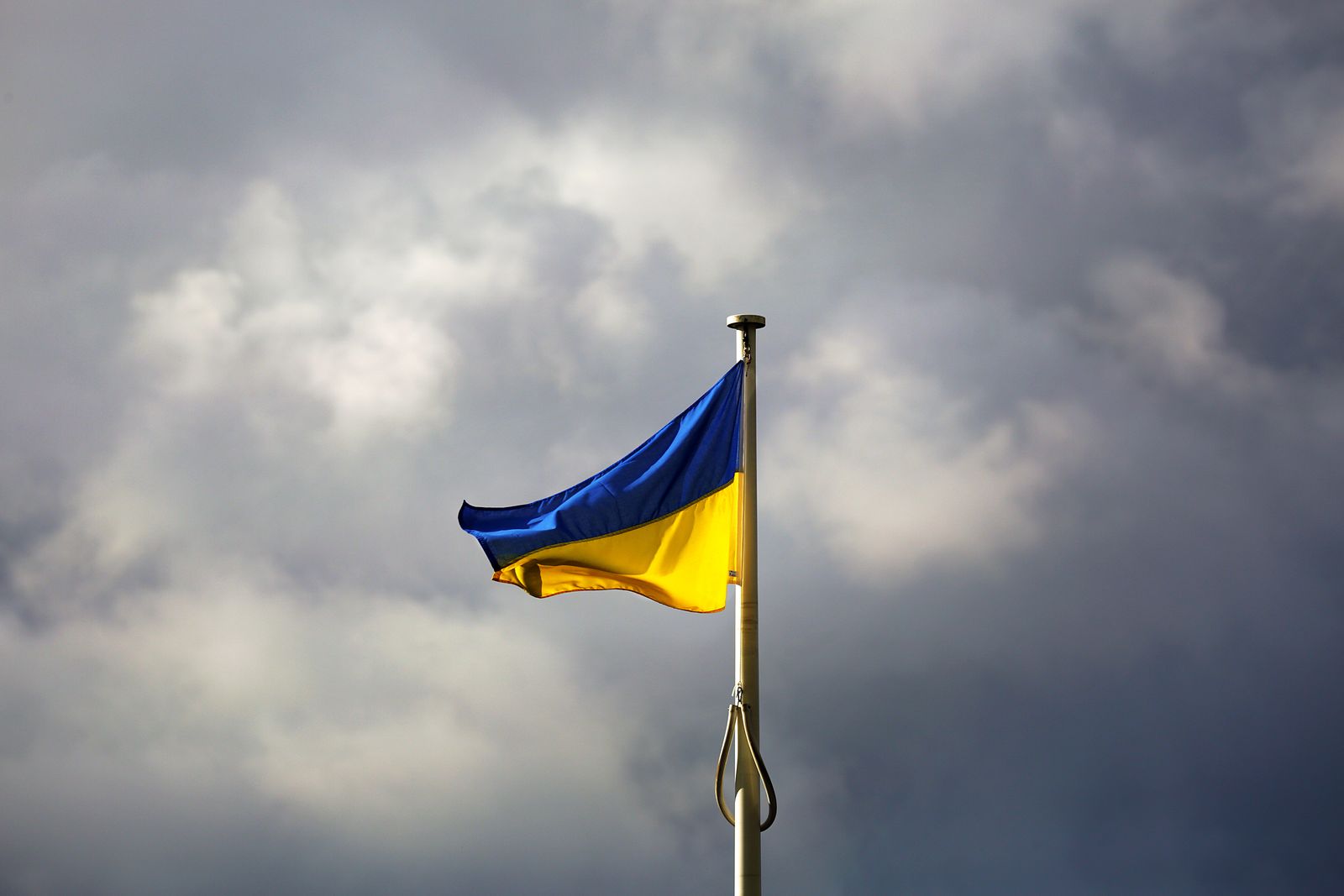
A three-day ceasefire between Russia and Ukraine took effect on 9 May 2026, covering May 9, 10 and 11 and paired with a 1,000-for-1,000 prisoner swap. Within hours of the start, Ukraine's General Staff reported 51 Russian attacks; Moscow countered that Ukrainian drones had hit Russian regions. The deal was brokered by U.S. President Donald Trump.
Key facts
- Ceasefire dates: 9 May, 10 May and 11 May 2026.
- Prisoner swap: 1,000 prisoners of war from each side.
- Announced by Donald Trump on 8 May 2026 via Truth Social.
- Confirmed by Volodymyr Zelenskyy on X and by Russian presidential aide Yuri Ushakov.
- Within hours: Ukrainian General Staff reported 51 ceasefire violations by Russian forces.
- An earlier Ukrainian unilateral truce, on 6 May, recorded 1,820 violations by 10 a.m. local time.
What both sides agreed
Trump posted on Truth Social: "I am pleased to announce that there will be a THREE DAY CEASEFIRE (May 9th, 10th, and 11th)." The pause was deliberately aligned with Russia's Victory Day commemoration on 9 May in Moscow. Zelenskyy confirmed the agreement on X and told Al Jazeera that the deal had been reached through American mediation. Russian presidential aide Yuri Ushakov said the agreement had been finalised in telephone contacts with the U.S. administration.
Why the truce is already fragile
The collapse pattern repeats. According to NPR, the Ukrainian General Staff logged 51 Russian attacks in the first hours of the new pause; Russia in turn accused Ukraine of drone strikes on its territory. The pattern echoes the 6 May Ukrainian unilateral truce, which Kyiv said Russia had violated 1,820 times by 10 a.m. local time. Defense News reported that the dueling Victory Day truces of early May collapsed within hours of taking effect.
Putin, Victory Day and the political framing
Vladimir Putin presided over a downsized Victory Day parade in Red Square. Al Jazeera reported the 45-minute event excluded tanks, missiles and heavy ground equipment for the first time in nearly two decades, with North Korean soldiers among the foreign units present. Putin told the parade he believed Russia's war in Ukraine was "coming to an end" and reaffirmed that "victory has always been and will be ours." Kremlin spokesman Dmitry Peskov struck a colder note, telling reporters the Ukrainian settlement was "far too complex" and that a peace agreement remained "a very long way" off.
Zelenskyy's calculus
Zelenskyy framed the pause as a U.S.-mediated test that Washington must enforce. He said Moscow had sought a pause "to hold their parade, to go out onto the square safely for an hour once a year, and then continue killing." Kyiv expects the United States to hold Russia to the terms; Ukrainian officials have already cited the 51-attack tally as evidence of Russian non-compliance.
What it means for Europe and Luxembourg
The truce is short, conditional and politically expensive for any leader who walks away from it. For Luxembourg residents, the practical consequences are continuity rather than relief: continued cross-border defence-industrial mobilisation through the Coalition of the Willing, sustained pressure on the EU sanctions architecture, and an unbroken case for the 2 percent of GDP defence-spending floor that Luxembourg formally adopted earlier this year. The Coalition of the Willing's Paris Declaration on UK-French "military hubs" inside Ukraine still stands; a 72-hour pause does not unwind it.
The diplomatic test
The harder question is whether Trump will publicly attribute the violations and how. The administration has framed the pause as a confidence-building step toward a fuller deal; Peskov's caveat suggests Moscow does not share that framing. The 1,000-for-1,000 prisoner swap is the only concrete deliverable that survives even if the kinetic pause does not.
Bottom line
A three-day Trump-brokered ceasefire began on 9 May 2026 and was reportedly violated within hours, with 51 Russian attacks logged by Ukraine's General Staff. The 1,000-for-1,000 prisoner swap and Putin's "coming to an end" framing are the most durable outputs; on the ground, the war is still being fought.
Frequently asked
- When does the ceasefire run?
- The Trump-brokered ceasefire covers 9, 10 and 11 May 2026, aligned with Russia's Victory Day commemoration in Moscow.
- What is the prisoner swap?
- Each side has agreed to release 1,000 prisoners of war as part of the three-day pause.
- Has the ceasefire been respected?
- Within hours of taking effect, Ukraine's General Staff reported 51 Russian attacks; Russia accused Ukraine of drone strikes on its territory.
Around Politics
A look at recent reporting on politics from the Étude newsroom.
Related by topic
Other Étude stories tagged with the same topics as this article.
More in Politics



Trending at Étude
Cross-border rail CFL to halt all trains between Luxembourg and Thionville for five weeks this summer
Country profile Luxembourg by the numbers: capital, size, population, currency and key facts
Startup Guide How to Start and Fund a Startup in Luxembourg: A 2026 Founder's Guide
Financial regulation Luxembourg regulator will let Israeli bond prospectus expire on 31 August