STATEC models Hormuz blockade risk for Luxembourg’s economy
STATEC has presented a scenario on how a blockade of the Strait of Hormuz could affect Luxembourg, putting energy prices, inflation and economic planning back into focus.
Archive
Every section, ordered by publication date. 413 stories in the archive.

STATEC has presented a scenario on how a blockade of the Strait of Hormuz could affect Luxembourg, putting energy prices, inflation and economic planning back into focus.

Luxembourg’s National Research Fund has pre-announced the 2026 ATTRACT and PEARL calls, setting the calendar for universities and research centres that want to recruit high-level scientific talent.

Luxembourg and the United Arab Emirates signed a treaty on mutual legal assistance in criminal matters during a 22 May 2026 working visit by UAE Foreign Minister Sheikh Abdullah bin Zayed Al Nahyan. Justice Minister Elisabeth Margue and UAE Minister of State Lana Zaki Nusseibeh signed the pact, which aims to speed judicial cooperation on serious crime, including financial and economic offences.

Luxembourg's CSV-DP coalition presented a €30 billion budget on Monday that indexes tax brackets, cuts the surcharge, and pours €1.4 billion into housing — at the cost of a wider deficit through 2028.

OpenAI and Malta have announced a programme giving eligible Maltese participants one year of ChatGPT Plus after completing an AI literacy course. The move matters for Luxembourg because it turns AI access into a public-policy question, alongside skills, digital inclusion and sovereignty.

SES launched two more O3b mPOWER satellites aboard a Falcon 9 on Friday night, bringing its medium-earth-orbit fleet to nine and unlocking the Pacific service ring.

Luxembourg's financial regulator found weaknesses in 73% of the 84 management companies it reviewed for AML controls in fund distribution, signalling tougher inspections ahead of the 2026 SREP cycle.

Luxembourg's Defence Bond is a three-year state bond dedicated to defence projects, with tax-exempt interest for resident individuals and a EUR 150 million cap.

Luxembourg's hospital reform aims to expand outpatient care, update hospital capacity and make minor procedures easier to organise outside traditional hospitals.

Luxembourg's property market remains one of the country's most searched topics, but buyers need official housing-observatory data rather than anecdotes.

Luxembourg introduces COMPA changes and AFPA financial assistance in 2026 to support older persons.

Luxembourg tightens single-use plastic rules in 2026 and extends USB-C charging to laptops under EU consumer policy.

Luxembourg companies using AI in HR, finance, customer service or regulated products need to map their systems before the AI Act becomes fully applicable.

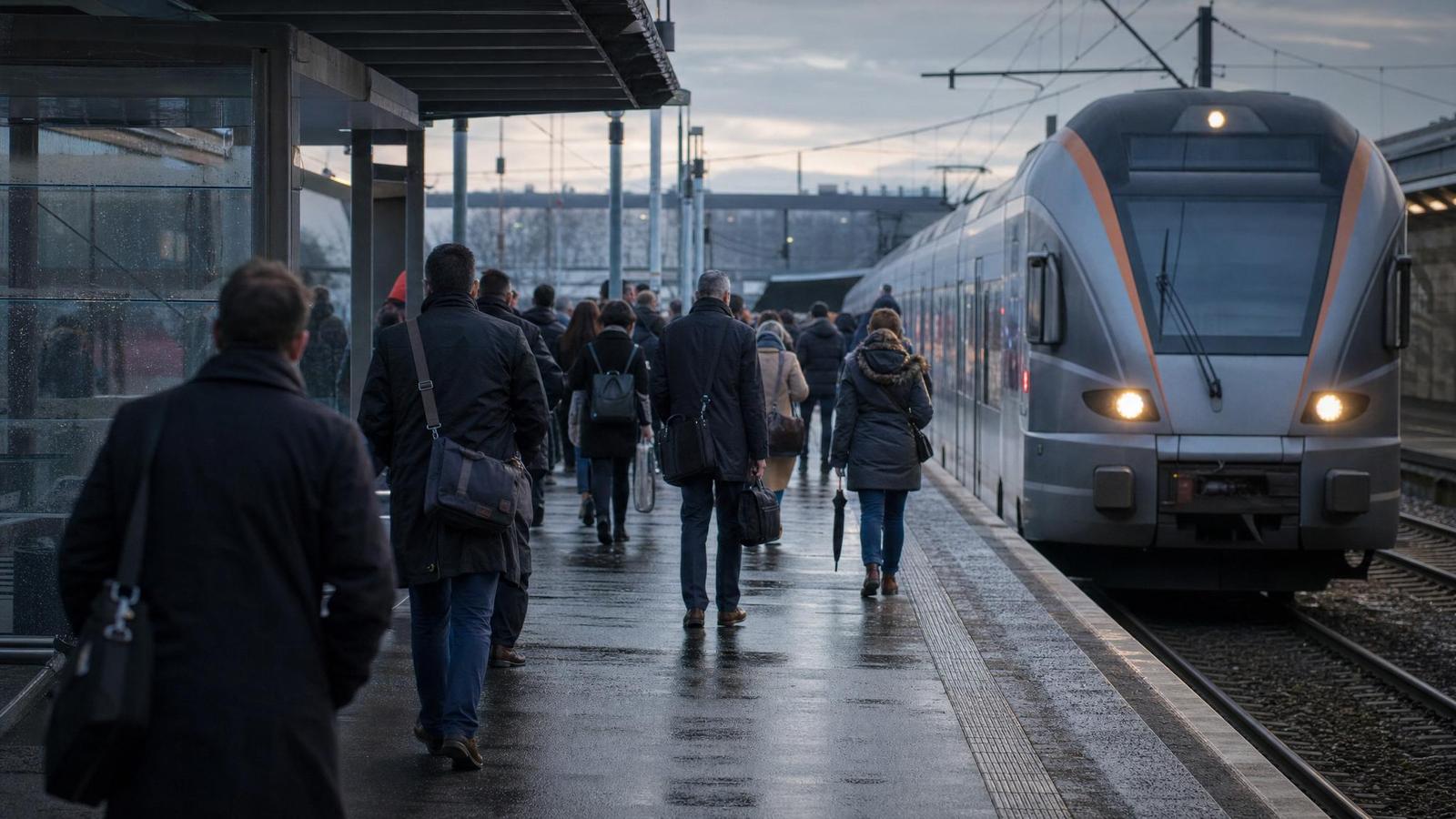
Luxembourg’s cross-border workers remain central to the economy, but 2026 raises practical questions about unemployment benefits, wage gaps, transport costs and housing pressure.

Luxembourg households should see lower electricity bills in 2026, but prices remain far above pre-crisis levels because wholesale energy and replacement gas costs are still elevated.

Luxembourg’s 2026 housing-aid changes aim to simplify procedures and make rent subsidy, rental guarantee and integrated housing rules clearer for households.

NIS2 turns cybersecurity into a board-level compliance issue for many Luxembourg businesses, especially medium and large entities in essential and important sectors.

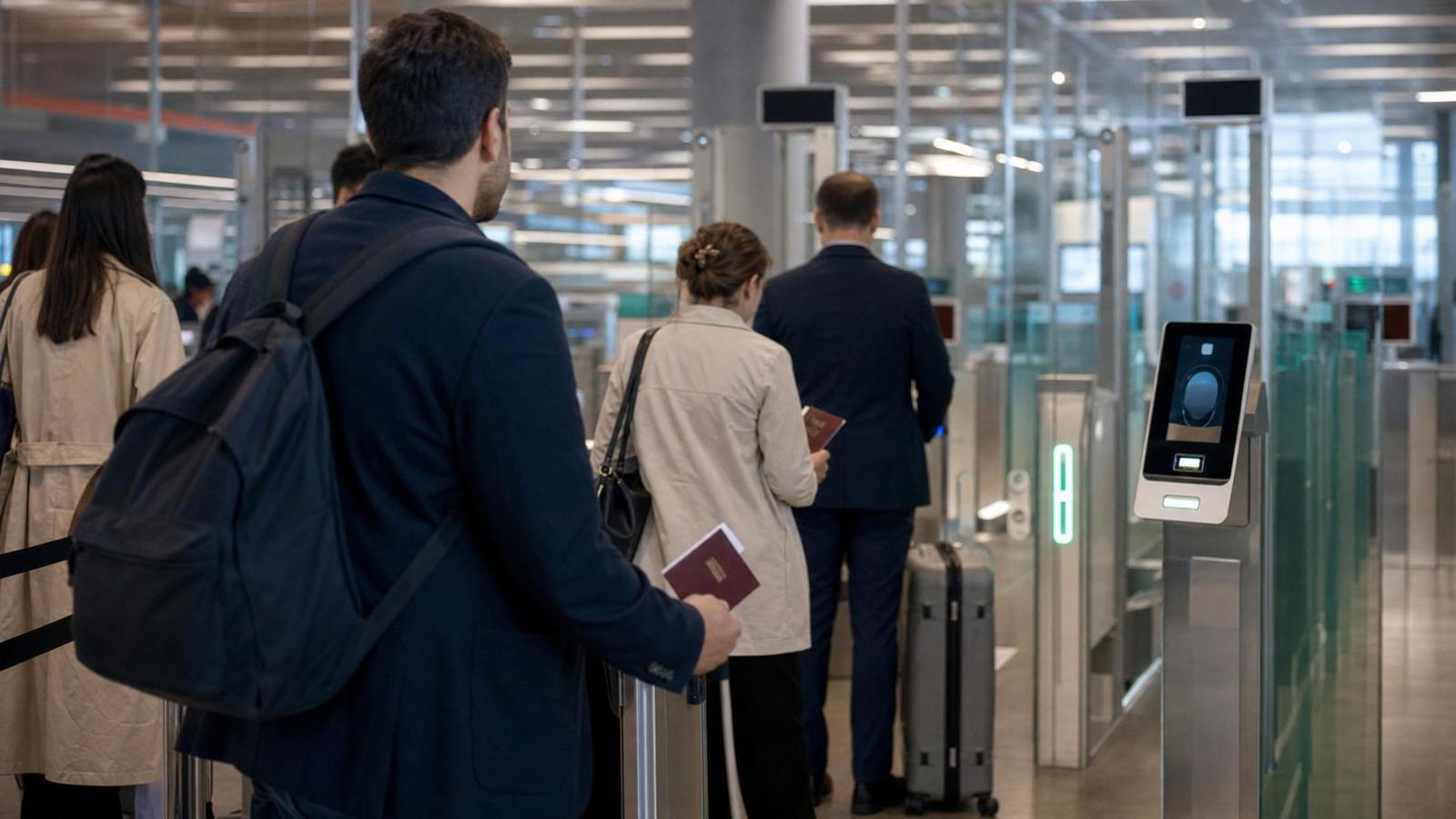
Luxembourg travellers and visitors face new Schengen border rules in 2026: the Entry/Exit System is fully operational and ETIAS changes pre-travel checks for visa-exempt non-EU nationals.

Luxembourg’s 2026 retail-hours reform affects shop owners, employees and customers through longer opening windows and expanded Sunday work rules.

Luxembourg’s right to disconnect becomes more enforceable in 2026, turning after-hours digital contact from a culture issue into a compliance question for employers.

STATEC's latest published scenarios forecast Luxembourg's next wage-indexation tranche for June 2026. It is not effective until official index data confirm that the threshold has been reached.

Moving to Luxembourg in 2026 requires more than comparing salaries. New arrivals need to understand immigration status, a tight housing market, labour-market trends and 2026 tax-social changes.

Luxembourg annual inflation rose to 3.1% in April 2026, pushed by fuel and heating oil. STATEC said 2.46 percentage points had accumulated toward the next 2.5% wage indexation tranche.

ADEM recorded 20,491 resident jobseekers available for work at 31 March 2026. The unemployment rate remained 6.3%, but increases among highly qualified workers, 30-44 year-olds and non-residents show a changing labour market.