Social policy
Unicef: about one in four children in Luxembourg is poor or at risk of poverty
UNICEF says missing data should not hide the scale of inequality, while food-aid services see stigma and working poverty up close.
Luxembourg’s prosperity is not translating evenly into childhood security. RTL reported on UNICEF Luxembourg’s reading of the Innocenti 20 report, which again points to roughly one in four children in the country being considered poor or at risk of poverty.
The report does not rank Luxembourg fully because some comparative data are missing. UNICEF’s point is that missing data should not be mistaken for missing problems. The organisation argues that inequality reaches far beyond income: housing, access to activities, school conditions, mental health and everyday opportunities all shape a child’s start in life.
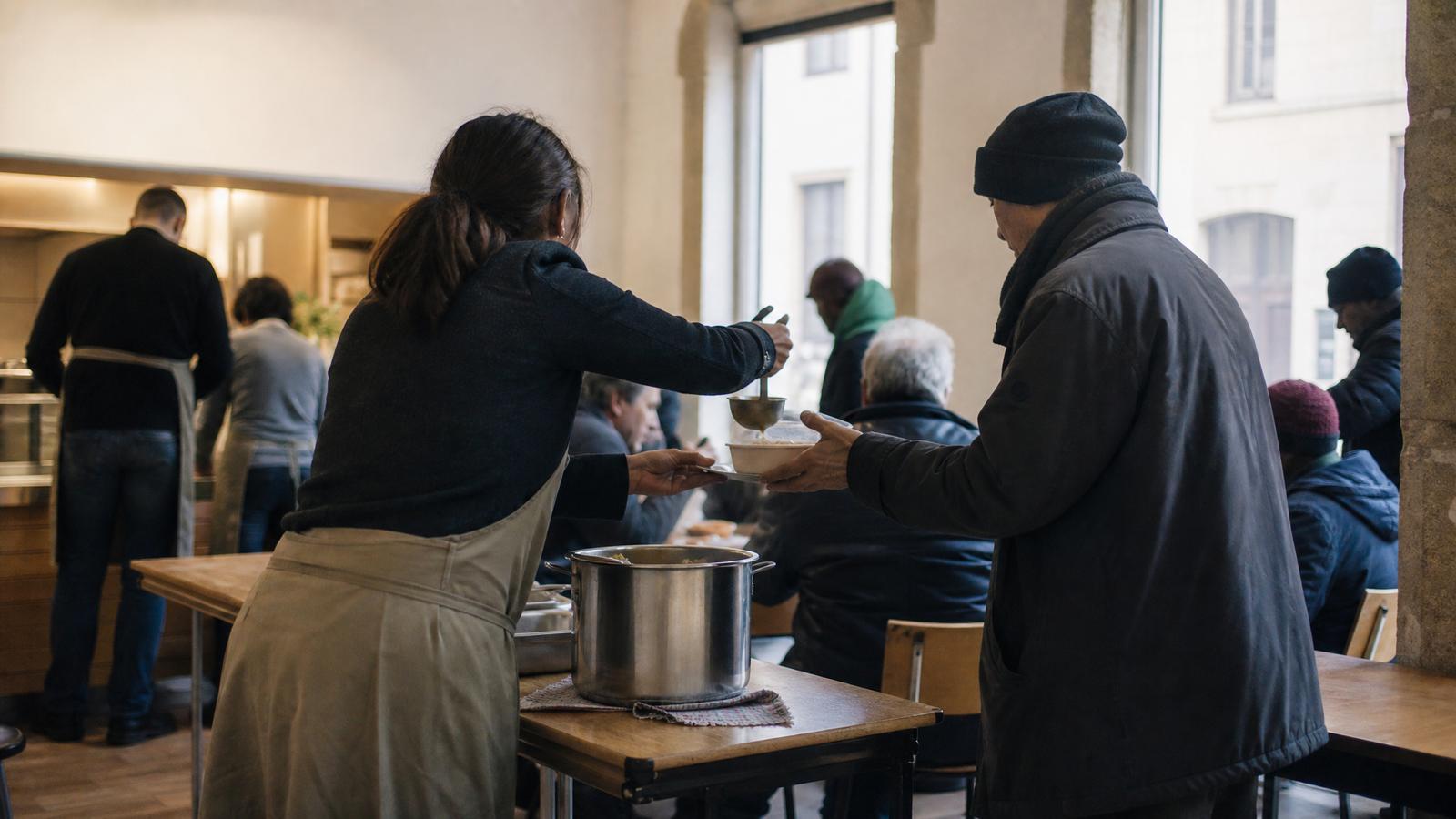
The discussion is not abstract. Luxemburger Wort’s current coverage of the Vollekskichen describes a setting where people in Luxembourg still rely on direct support despite employment or proximity to wealth. That matters because poverty policy often fails at the point where need turns into shame: asking for help can already be difficult before stigma is added.
UNICEF Luxembourg argues that fair wages, parental leave, affordable housing, childcare access and anti-discrimination work are part of the same policy field. The central message is simple but demanding: a rich country cannot measure child welfare only by national averages.
For policymakers, the immediate challenge is evidence and execution. Luxembourg has the means to collect better data and to target support more precisely. The harder test is whether the country is willing to admit that structural poverty exists inside its success story.
Frequently asked
- Why is Luxembourg not fully ranked in the UNICEF report?
- Because some comparative data were missing, although UNICEF says this does not mean the underlying problems are absent.
- What does UNICEF identify beyond income?
- Housing, access to activities, school environment, mental health, childcare and discrimination all affect children’s opportunities.
Sources
Around Politics
A look at recent reporting on politics from the Étude newsroom.
Related by topic
Other Étude stories tagged with the same topics as this article.
More in Politics



Trending at Étude
Family & Work Maternity, Paternity and Parental Leave in Luxembourg: A Guide to the Three Statutory Leaves
Cross-border rail CFL to halt all trains between Luxembourg and Thionville for five weeks this summer
Banking Luxembourg bank interest rates in 2026: savings and mortgage figures published by Spuerkeess, BGL, Raiffeisen and BIL
Financial regulation Luxembourg regulator will let Israeli bond prospectus expire on 31 August