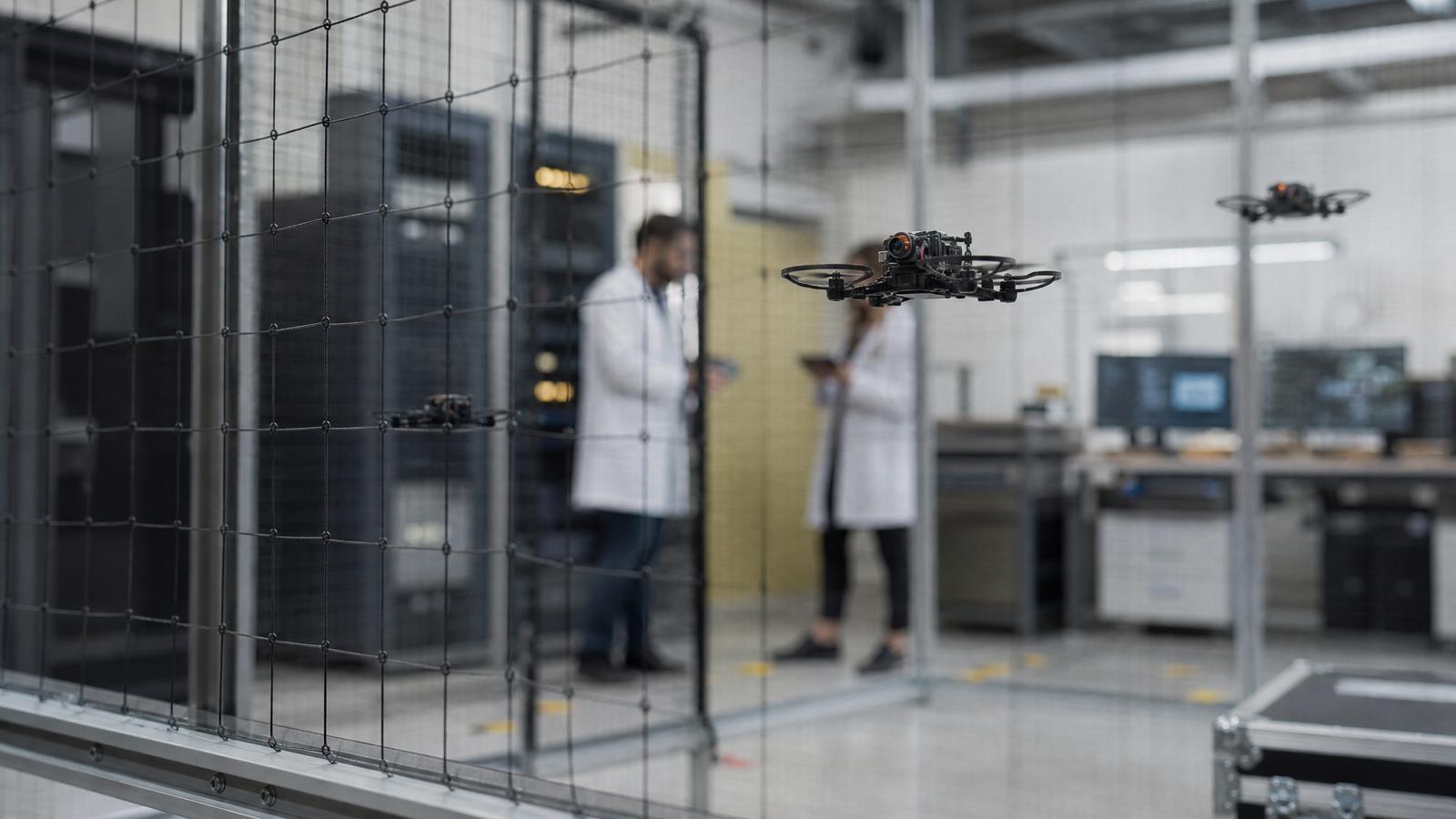
Luxembourg researchers test AI drone swarms to protect critical airspace
Researchers at the University of Luxembourg are testing AI-controlled drone swarms that could one day protect defined airspace around critical infrastructure.

Researchers at the University of Luxembourg are testing AI-controlled drone swarms that could one day protect defined airspace around critical infrastructure.
Three days after losing the Pentagon contract, Anthropic announced an enterprise AI services joint venture backed by some of the deepest pockets in private capital and Wall Street.

The largest US grid operator forecasts a 6 GW reliability shortfall by 2027 as AI data-centre load surges. Operators are racing to build behind-the-meter generation while the politics catch up.

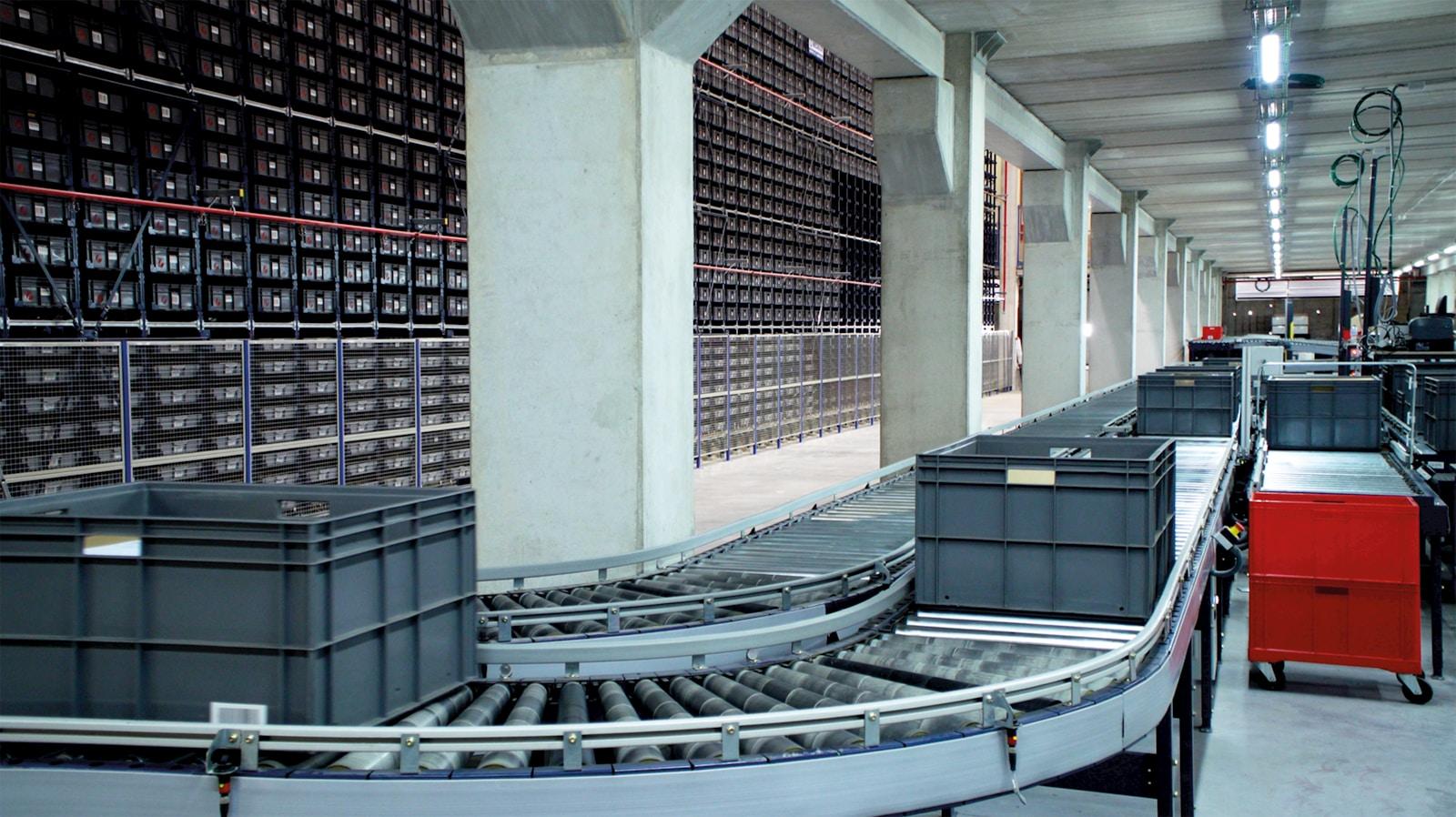
The new Robots-to-Goods category combines mobile robots, robotic picking arms and AI perception into a single fleet, claiming a 90% reduction in manual labour and deployment in weeks rather than years.

OpenAI, Google, Microsoft, Amazon, Oracle, Nvidia, SpaceX and Reflection AI are in. Anthropic is out, after refusing to let Claude be used for autonomous weapons and mass surveillance.

AWS's new application gives pharma scientists direct access to specialised biology models trained on large biological datasets, with the explicit aim of accelerating early drug discovery and antibody therapy development.

Even as cloud providers ramp internal silicon, Nvidia keeps shipping. Its newest models — a multimodal Nemotron and an Ising family for quantum computing — are aimed at developers Nvidia does not want to lose to competitors.

The five-year South San Francisco lab co-locates Lilly biology, chemistry and clinical scientists with Nvidia AI engineers, anchored on BioNeMo, the Vera Rubin GPU architecture and Lilly's pharma-industry-leading internal supercomputer.

Beijing's National Development and Reform Commission ordered Meta to unwind its takeover of Manus, an autonomous-AI startup with Chinese roots, calling the deal an attempt to "hollow out" China's tech base.

Z.ai's GLM-5.1, MiniMax M2.7, Moonshot's Kimi K2.6 and DeepSeek V4 all dropped within 12 days — a coordinated cadence that tells you more about the Chinese AI race than any single model.

Released on 24 April 2026, GPT-5.5 is positioned for agentic coding, knowledge work and scientific research. It costs more per token than GPT-5.4 but uses fewer tokens to reach higher-quality outputs.

District Judge Sidney H. Stein upheld the magistrate order requiring OpenAI to produce 20 million anonymised ChatGPT logs — 0.5% of its preserved data — in the consolidated copyright suits.

The x86 Ecosystem Advisory Group's first major output unifies matrix-math instructions across AMD and Intel CPUs — a quiet but consequential détente between two long-time rivals in the face of Arm and AI accelerators.

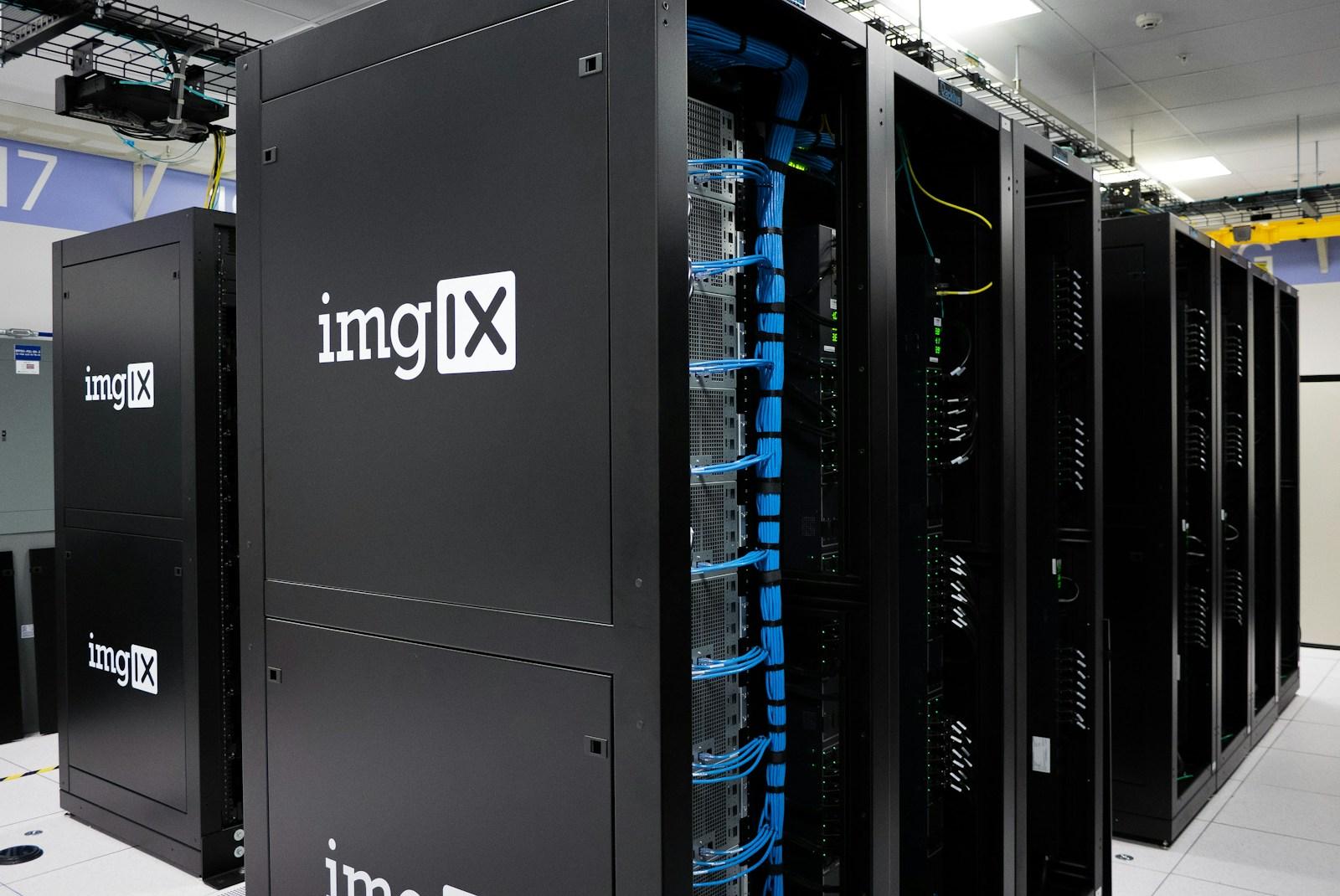
Luxembourg's €112 million AI-optimised supercomputer is set for end-of-year launch, jointly funded by the EuroHPC Joint Undertaking and the Luxembourg State, with capacity split 50/50 between European and national users.

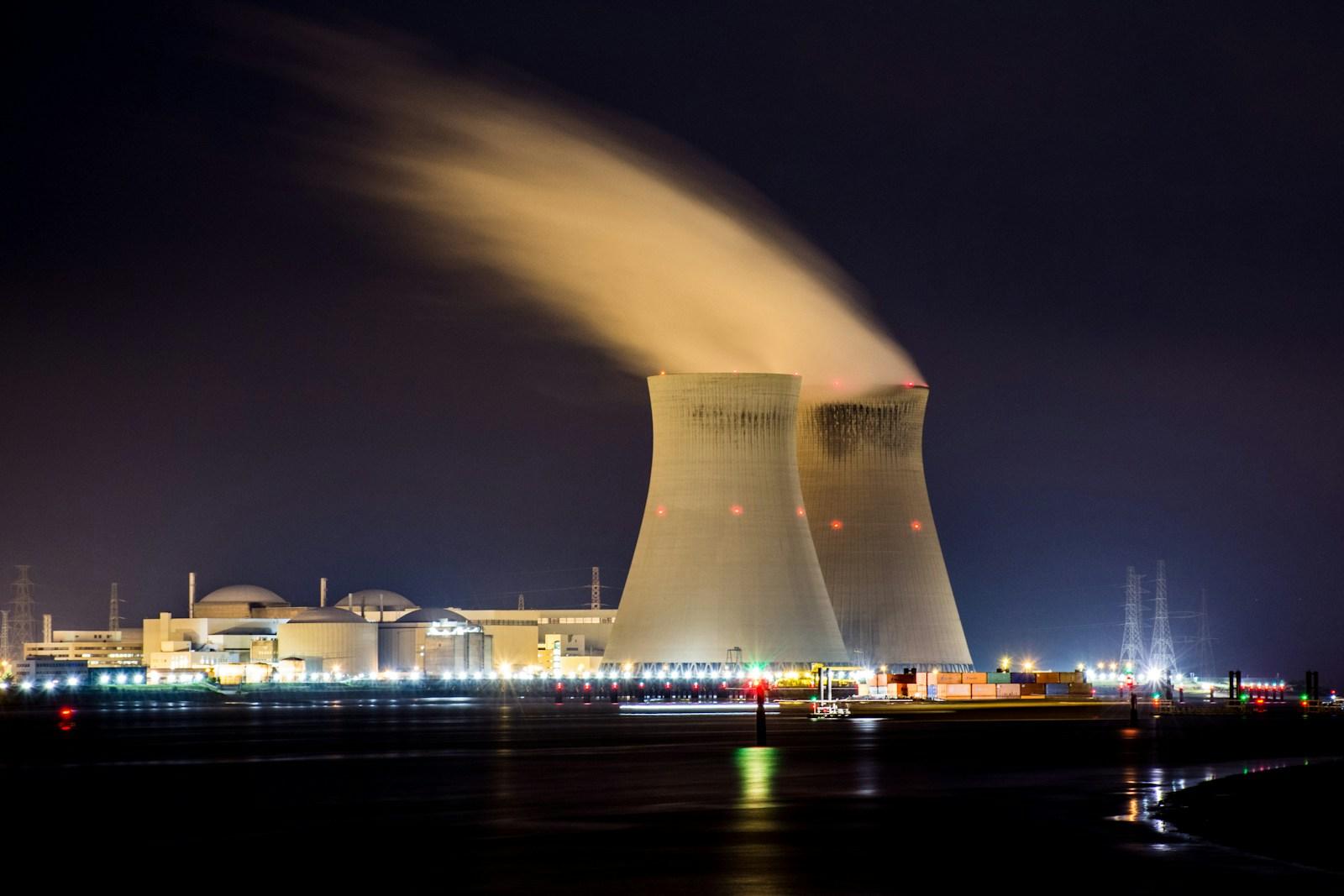
The orders compress permitting, expand DOE authority over advanced reactors and underwrite SMR deployment — a single-day push to align the US nuclear regulatory state with AI-driven electricity demand.

On 4 March 2026, Prime Minister Luc Frieden officially launched AI4LUX, a national campaign positioning AI as a driver for citizens, competitiveness and Luxembourg's sovereignty.

Meta has committed to deploy AMD's Instinct MI450 GPUs and 6th-gen EPYC "Venice" CPUs at six gigawatts of capacity over five years, days after expanding its Nvidia order. AMD is no longer the second choice.

Anthropic's latest model expands its constitutional AI framework to over 200 principles. OpenAI's parallel "meta-feedback" technique — humans critiquing model reasoning, not just outputs — is reportedly cutting reward hacking.